










Schools increasingly seeking aid for homeless kids
Schools are increasingly seeking help for homeless students, according to data from the Youth Education Fund. Teachers report children sleeping in cars or on relatives’ couches, or staying in a women’s shelter with their mother for months on end. The harrowing consequences of the housing shortage are becoming increasingly visible in classrooms, Hans Spekman, chairman of the Youth Education Fund, told AD.
In addition to helping with housing, food, clothing, and school supplies, the Youth Education Fund also received more requests for psychological support for children in need of trauma therapy. Especially for children staying in women’s shelters, which typically offer shelter in domestic abuse situations. In 2023, the fund received 25 requests. A year later, there were 65.
“We are failing as a society,” Spekman told AD. “It is extremely disruptive for a child not to have a home. Constantly sleeping on the couch at another family member’s, with strangers, or in shelters: it devastates children.”
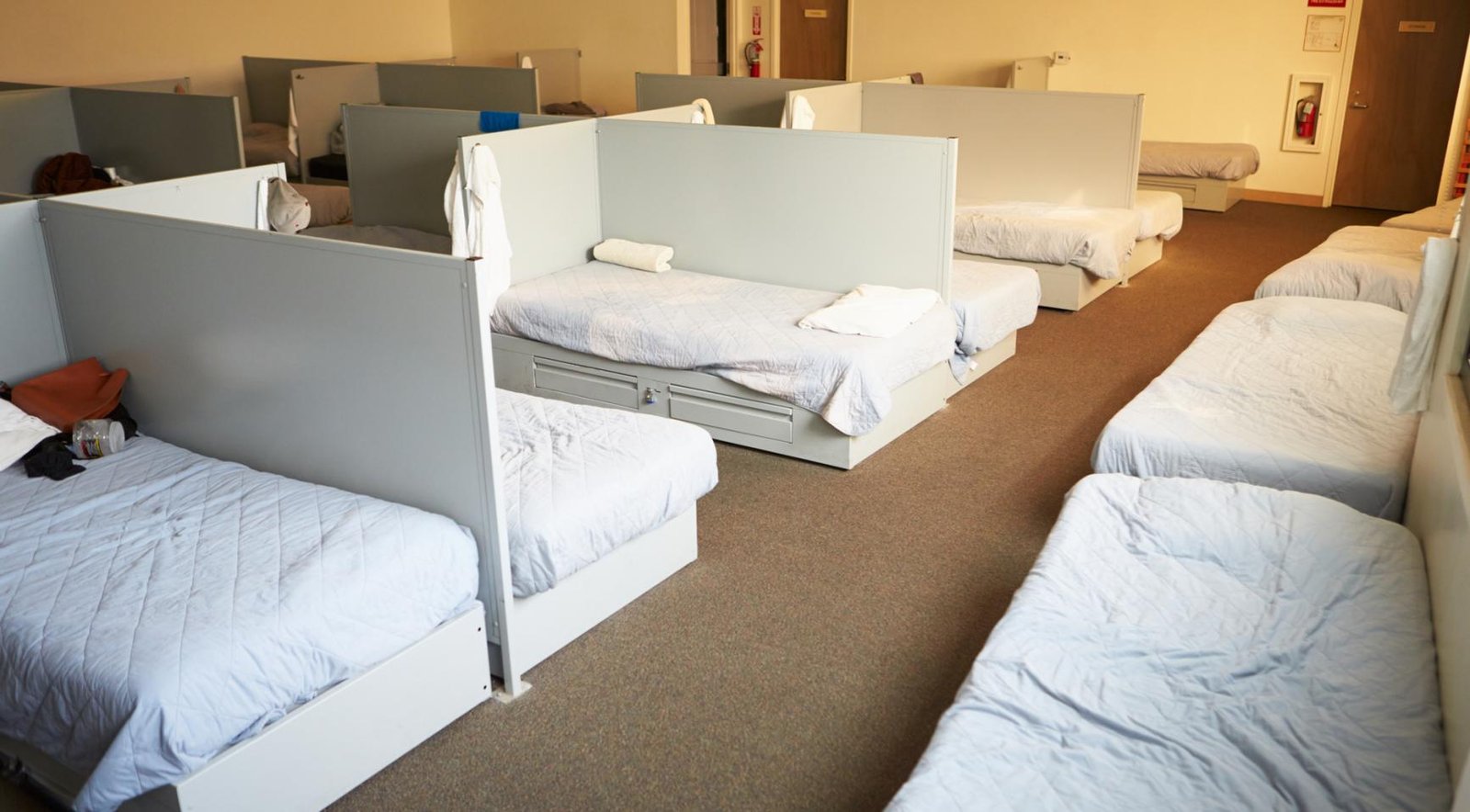
Dutch homeless shelters and women’s shelters are persistently overcrowded due to the housing shortage. There is nowhere for these people to go, so no space opens up for new people needing help. Families end up staying in shelters for months or even years, while the facilities are not equipped for that, Spekman said. Children don’t have access to necessities as basic as a stuffed animal.
The Youth Education Fund receives harrowing examples. One teacher wanted to give a craft to a pupil to hang on their wall. “Then that little boy said: ‘I don’t have a wall, because we sleep in the car,’” Spekman said. And so much more suffering remains hidden because people are ashamed or afraid to seek help. He mentioned families living in illegally sublet spaces and garage boxes. “There is truly a shadow world there of people who are almost without rights.”
“And on top of that, many of these children tend to suppress their own needs, because they are afraid it will be bad for their mother if they speak up about it,” Spekman told the newspaper. “I find it terrible. I don’t understand why we aren’t doing anything about it.”
At the end of last year, 57 Dutch municipalities conducted a census of the homeless people within their borders. They counted 28,721 homeless people, including 4,000 children. Another 7,415 children were indirectly involved in a situation involving a homeless parent.
1,200 primary schools are affiliated with the Youth Education Fund, and another 300 schools are on the waiting list. Last year, the fund spent about €40,000 on helping homeless families.
“It just makes me really angry,” Spekman said. “Society needs to be shaken awake. We have to change this and look out for each other better. You want the best for those children, and for those parents too.”