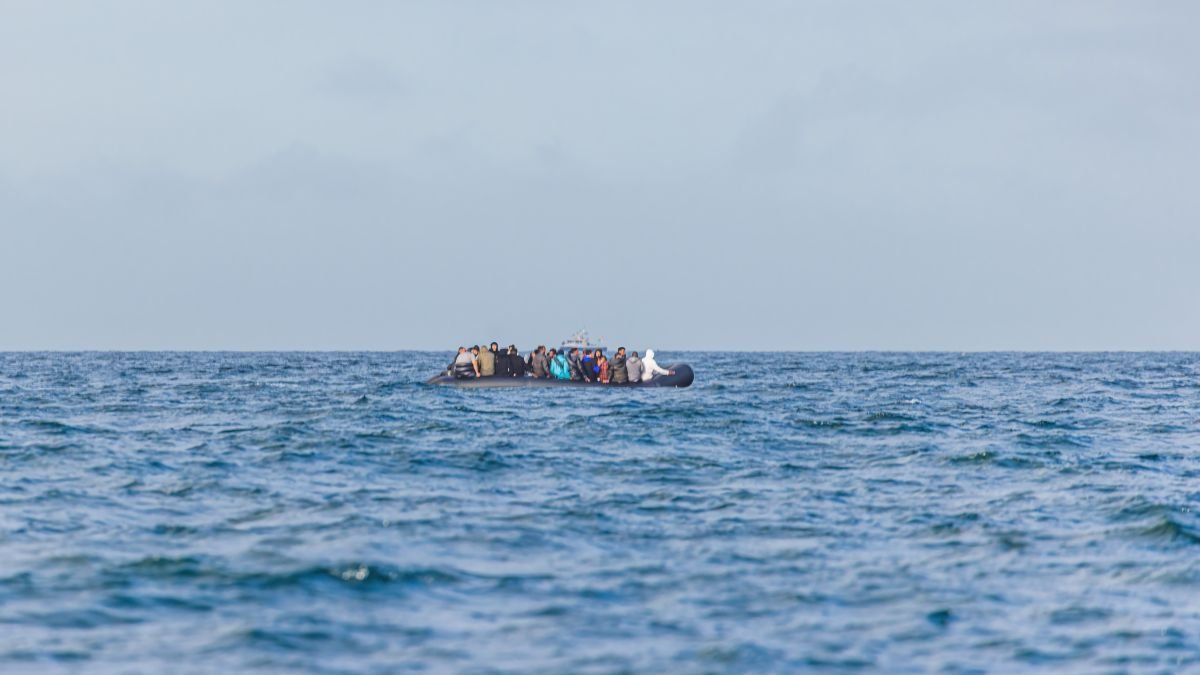








More than 7,000 refugee children are living in emergency accommodation in the Netherlands, three times as many as in 2022, according to figures obtained by the children’s rights lobby group Kinderrechtencollectief.
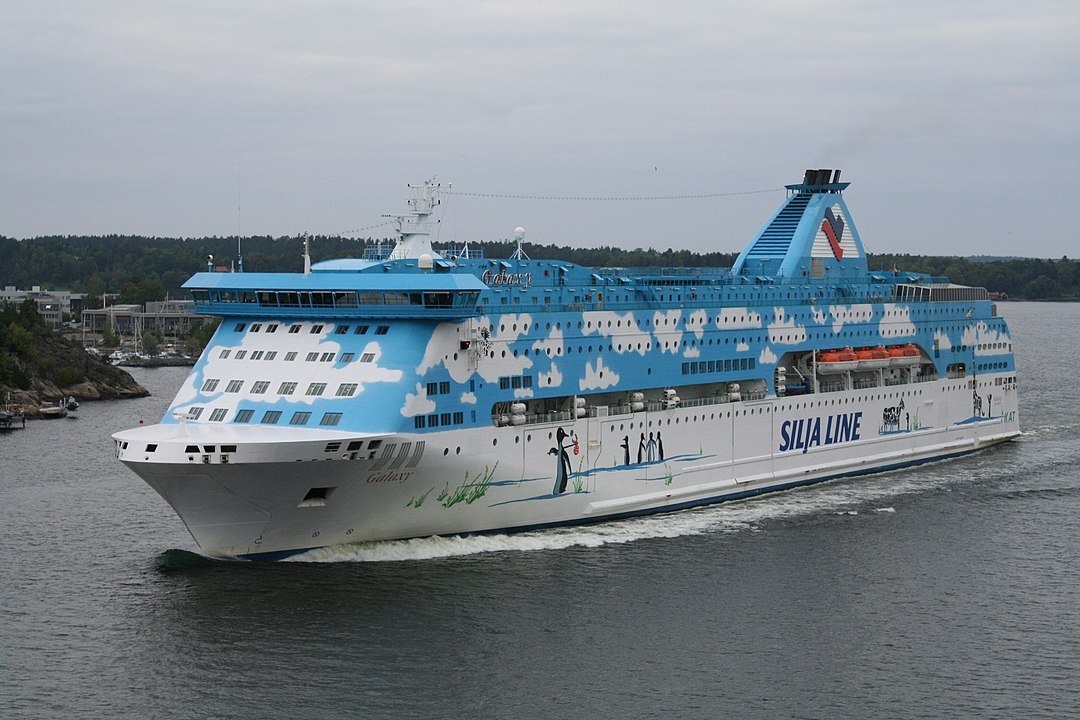
The organisation has called for politicians to “end the gesture politics” and find suitable alternatives for children living in sports halls, hotel rooms and on boats.
Marc Dullaert, the former children’s ombudsman who is now chair of the Kinderrechtencollectief, told Trouw that the Dutch government had done nothing despite been reprimanded by organisations including Unicef.
He said children were often missing school for long periods because they are moving repeatedly between temporary locations.
“That leads to physical and mental problems,” he said. “They sleep badly, have problems with sickness. The lights in sports halls are on until far too late in the evening and there are often no windows on asylum boats.”
European standards
In 2022 a court ruled that conditions in asylum seekers’ centres fell short of European standards, in a case brought by the Dutch refugee agency Vluchtelingenwerk.
A motion in parliament signed by parties including the right-wing liberal VVD, which was in the last coalition and is part of the current one, called for the government to improve conditions in emergency shelters and speed up plans for alternative accommodation.
“I don’t get why this doesn’t lead to immediate action by politicians,” Dullaert said. “Whatever colour of cabinet we have, they should be fixing this.”
The accommodation agency COA said it was working towards providing more long-term facilities so children could attend school and their parents could go to language classes, while asylum minister Bart van den Brink said in a latter to MPs that “more regular accommodation places prevent children moving constantly.”