









Hondius passengers on 2nd, 3rd repatriation flights test negative for hantavirus
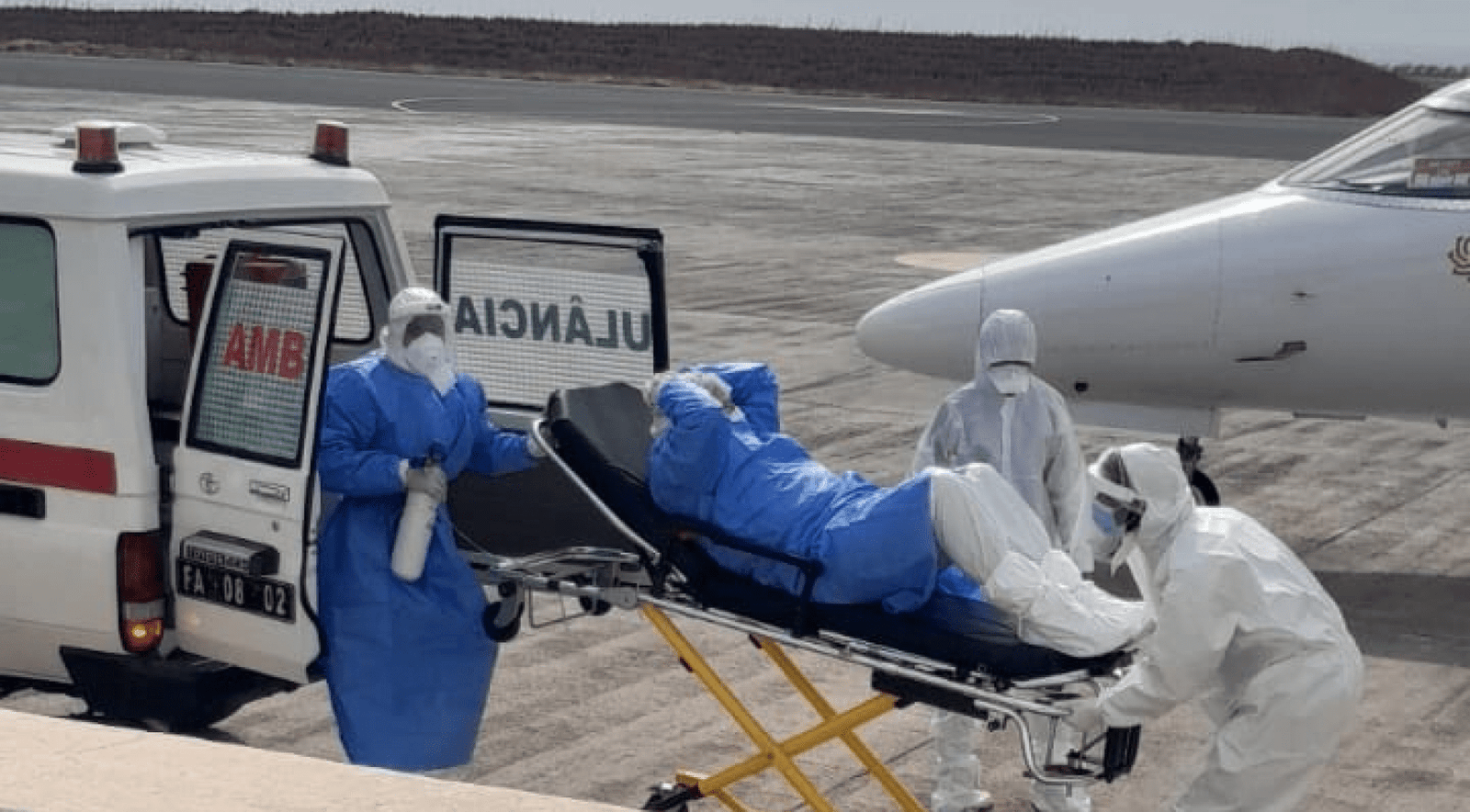
The passengers of the cruise ship MV Hondius who were on the second and third repatriation flights to arrive at Eindhoven earlier this week have tested negative for the hantavirus. The health authorities took blood samples from the passengers upon arrival, and the test results are in, the National Institute for Public Health and the Environment (RIVM) announced on Thursday.
This concerns 25 people who arrived at Eindhoven Airport during the early hours of Tuesday morning. The RIVM does not disclose nationalities, but the Ministry of Home Affairs previously said that one of them is a Dutch national.
The first repatriation flight landed in Eindhoven on Sunday evening. The passengers on board also tested negative based on their first blood samples.
The Dutch passengers all have to go into quarantine for six weeks, even if they test negative in the meantime. This is due to the virus’s long incubation period. Most people develop symptoms within one to six weeks of infection.
So far, ten people on board the Hondius have contracted the hantavirus. This includes the three people who died from it, including a Dutch couple from Friesland.
The Dutch woman who died was on board two flights in South Africa before her passing on April 26. In a press conference on Wednesday, Gianfranco Spiteri of the European health service ECDC urged some of the passengers who were on those planes to go into quarantine.
It concerns a LIFT flight from Saint Helena to Johannesburg on April 25, and a KLM flight on the same day from Johannesburg to Amsterdam. The woman was removed from this second flight before departure. Passengers who sat in the same row as the woman or in the two rows behind and in front of her are high-risk contacts and need to be in quarantine, Spiteri said.
The Dutch health authorities are maintaining laxer rules. Only the five people on the KLM flight who had physical contact with the Dutch woman are in quarantine. The 50 people who sat in the rows around her are “free to come and go as they please,” a spokesperson for the GGD Kennemerland told ANP. They only have to monitor themselves and contact the GGD if they develop symptoms.