










Dutch cabinet prepares tougher nitrogen cuts as farmer protest fears return
The Dutch government is preparing sweeping new nitrogen reduction measures, including stricter rules for farmers near protected nature areas, reviving fears in The Hague of a repeat of the mass farmer protests that erupted after a controversial emissions map was unveiled four years ago.
Prime Minister Rob Jetten has said the Netherlands must quickly break what officials call the “nitrogen deadlock” to restart permits for housing construction, farming projects, and road infrastructure. Agriculture Minister Jaimi van Essen is due to present a new nitrogen package by June 26, before the summer recess.
The package is being drafted with the government’s Taskforce Agriculture, Nature, and Nitrogen, which includes senior ministers, deputy prime ministers, and the prime minister, alongside consultations with farming organization LTO and provincial authorities. Officials say the measures will be severe.
Under the proposals under discussion, farmers, industry, and the transport sector would all face mandatory emissions cuts within 9 years compared with 2019 levels. Farmers would need to reduce nitrogen emissions by 42 to 46 percent, while industry and mobility sectors would face 50 percent cuts.
Farmers could lose livestock and phosphate rights if they miss targets, effectively forcing them to reduce herd sizes. Another proposal would cut those rights when farms are transferred to owners outside the family, meaning successors would be allowed to keep fewer animals than previous owners.
The most politically sensitive proposal involves “zoning” around vulnerable nature reserves such as De Peel and the Veluwe, where stricter nitrogen restrictions would apply to restore ecosystems. Coalition parties have not agreed on the size of those zones.
Former BBB agriculture minister Femke Wiersma previously proposed a 250-meter buffer zone, but critics argued it would not adequately restore the local environment. D66 is pushing for wider zones of about 500 meters, which would place far more farms under tougher rules and could force additional closures or major operational changes.
People involved in the talks reportedly said the VVD has resisted broader zones since the task force meeting last Thursday, arguing for smaller protected areas to avoid social unrest. The party denies blocking negotiations.
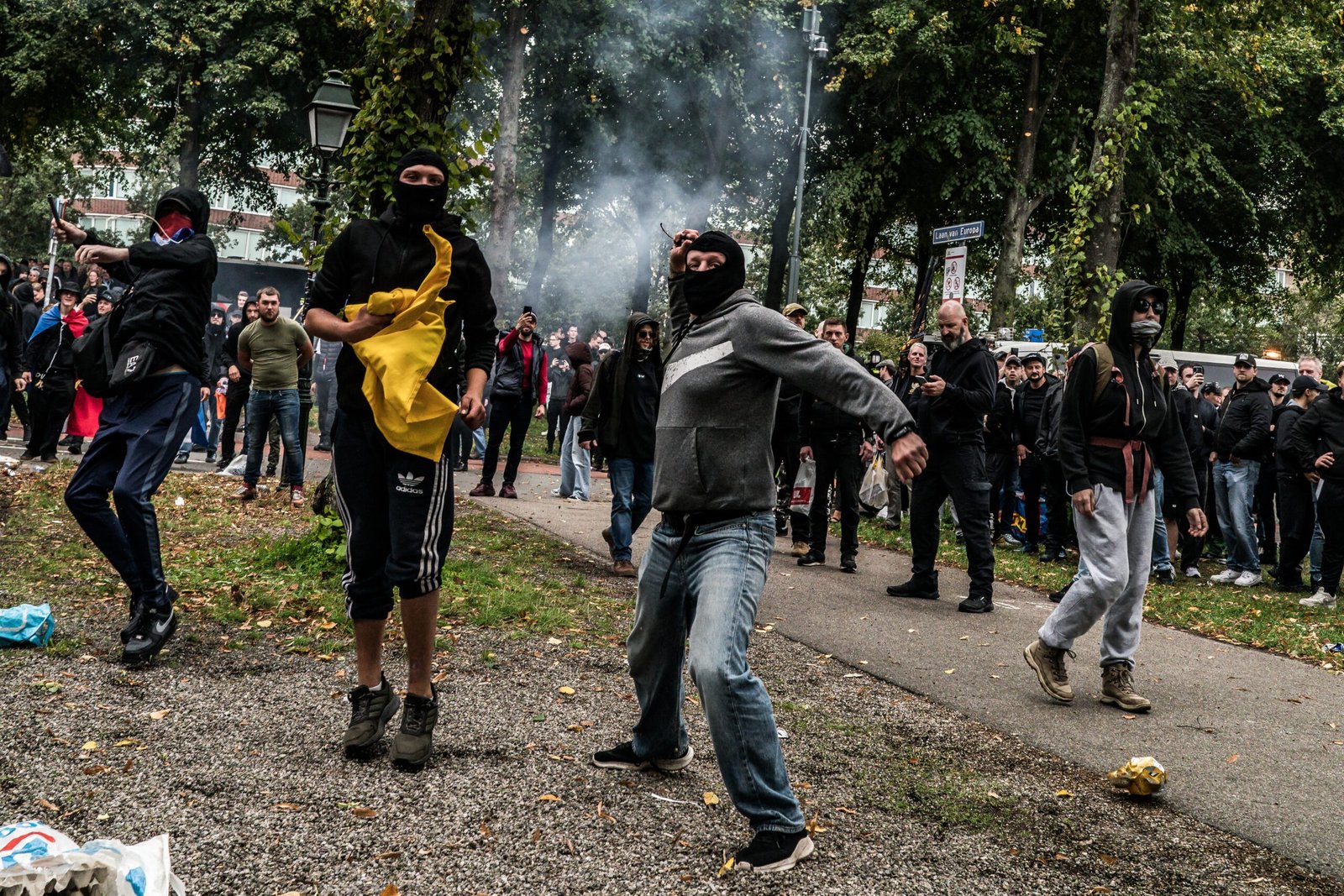
The debate has revived memories of the highly controversial “nitrogen map” introduced four years ago by then-VVD minister Christianne van der Wal. That map showed exactly which regions would be hardest hit by emissions policies, triggering a summer of farmer riots, upside-down Dutch flags, and demonstrations outside Van der Wal’s home. The BBB later surged to a landslide election victory and became the country’s largest party.
Van Essen is not expected to publish a similar map, but the designated zones under the new rules would reportedly make it clear which farmers are affected. Farming organizations and media outlets are expected to map the areas quickly themselves.
Within the CDA, officials allegedly say “much more time” is needed to better involve farmers in the upcoming measures, and some expect the plans could be delayed until after the summer.
Van Essen rejects the idea of delaying the package. “We already knew when we started that these are not easy measures,” he said. But he added that the urgency is too great for another postponement: “If we do not do this before the summer … I simply cannot explain to someone looking for housing that they have to wait even longer for a home. Or to a farmer that he cannot modernize his barn.”
He said he is doing “everything possible” to present the package before summer. “I am working hard, and every week we are making enormous progress.”
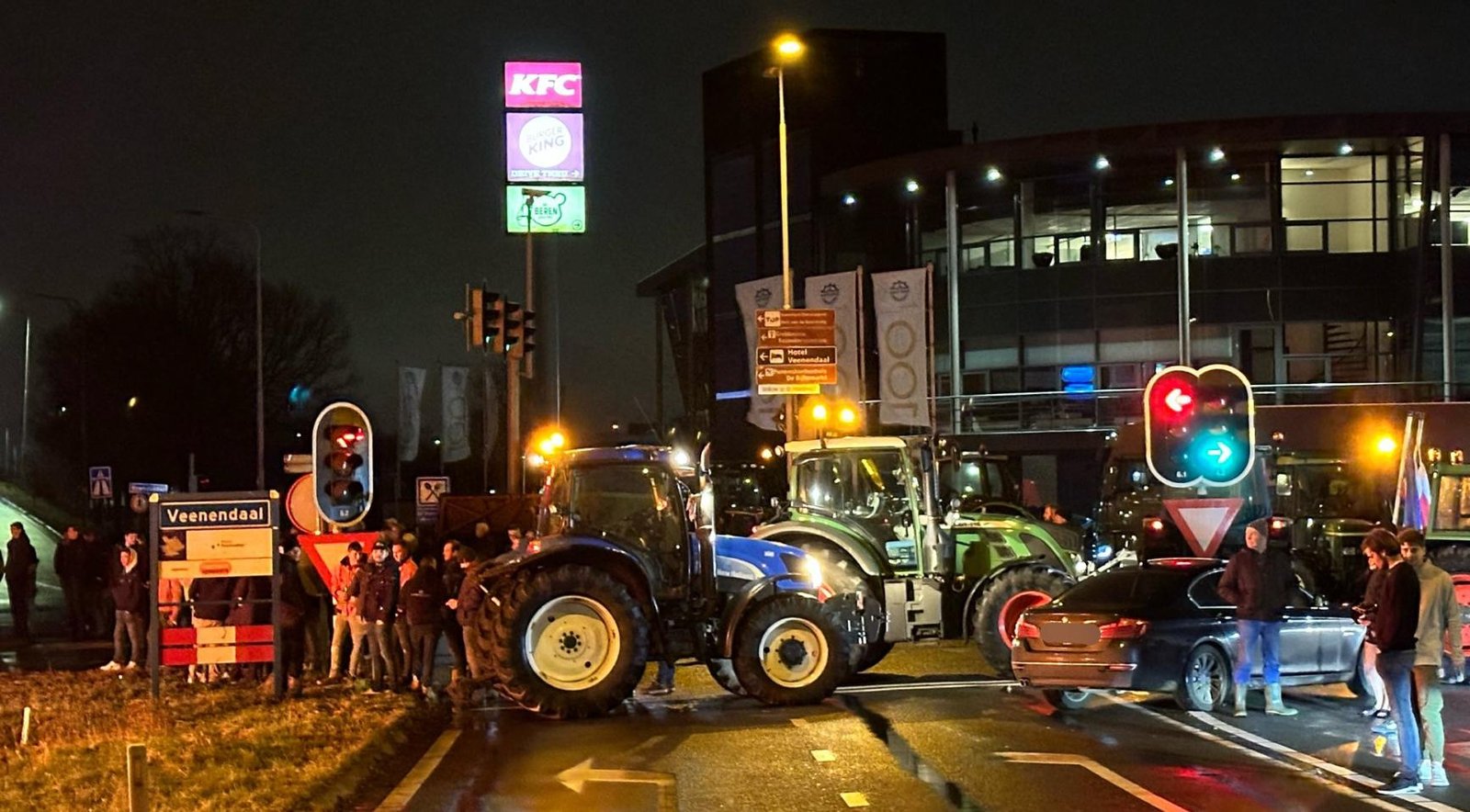
Behind the scenes, officials are reportedly preparing for another summer of farmer protests. Authorities say public dissatisfaction is already high and could escalate quickly. A tractor has already been spotted at asylum-related protests in Loosdrecht.
Reporting by ANP and NL Times