







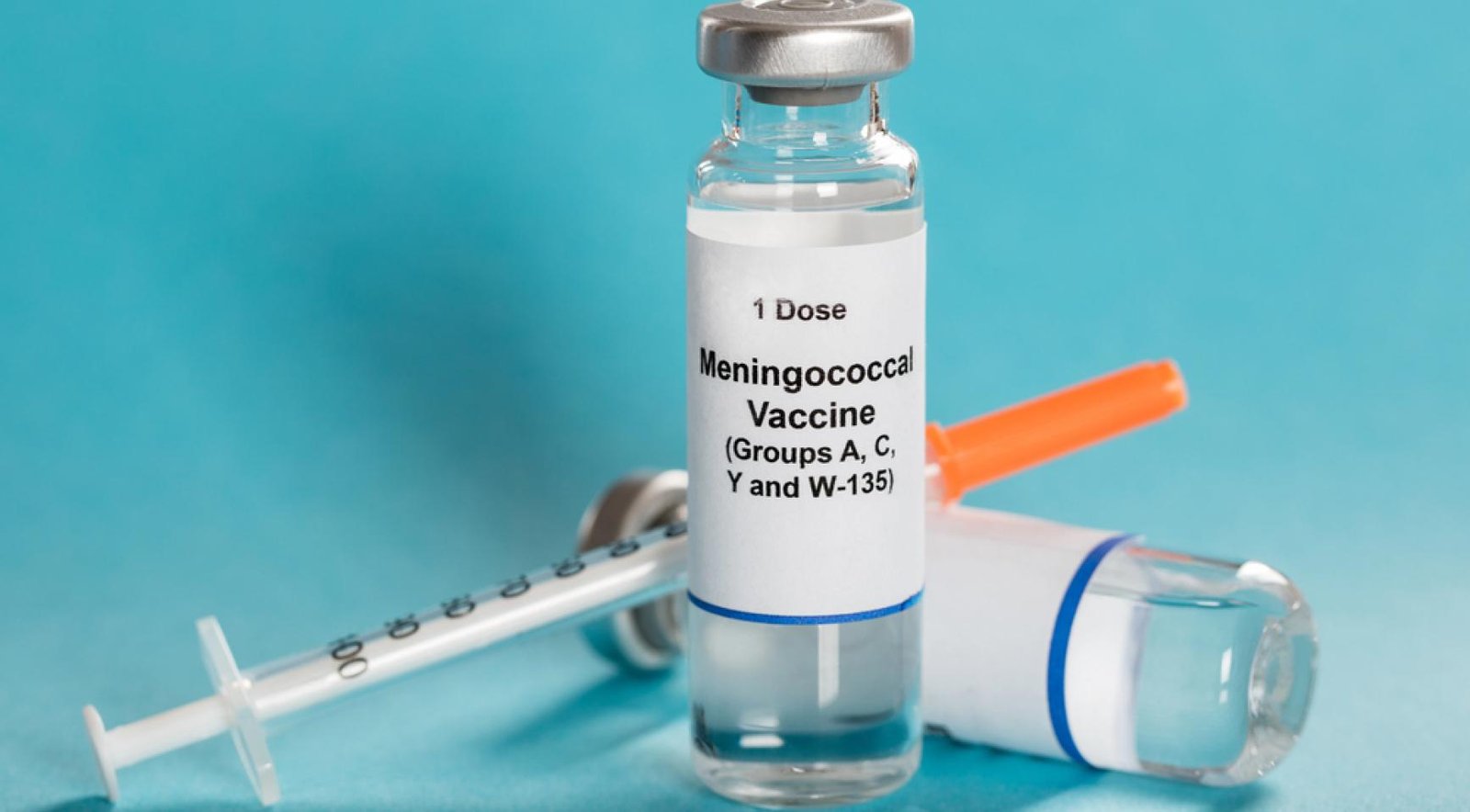


Dutch health council rejects inclusion of meningococcal B vaccine in national programme
The Health Council has advised that meningococcal B vaccinations should not yet be added to the Dutch National Immunisation Programme. In its recommendation to Health Minister Sophie Hermans, the council argues that the current benefits of the vaccine do not outweigh its potential drawbacks.
The Health Council notes that meningococcal B infections are currently relatively rare and that it is unclear how many cases vaccination would actually prevent. It also points out that the vaccine frequently causes fever, which in infants can occasionally result in hospitalisation. The RIVM reports that the disease primarily affects children under five years old.
The Health Council previously issued similar negative recommendations in both 2018 and 2022. The Ministry of Health, Welfare, and Sport requested a new assessment, this time based on updated insights into how the disease spreads and the vaccines currently available.
Meningococcal B disease is, according to the website of the National Institute for Public Health and the Environment (RIVM), caused by a bacterium called the meningococcus. This bacterium can cause blood poisoning or meningitis.
In March, the United Kingdom experienced a meningococcal B outbreak that was confirmed in at least 20 cases, with two fatalities reported. The affected individuals had all visited a nightlife venue in Canterbury earlier that month.
The European Centre for Disease Prevention and Control notes that meningococcal infection clusters are typically associated with settings where large groups of people come together. While infected individuals can transmit the disease to close contacts, the spread is not as rapid as that of airborne respiratory infections like COVID-19.
RIVM data show that 121 people in the Netherlands were diagnosed with meningococcal B infection in 2024.
Reporting by ANP