






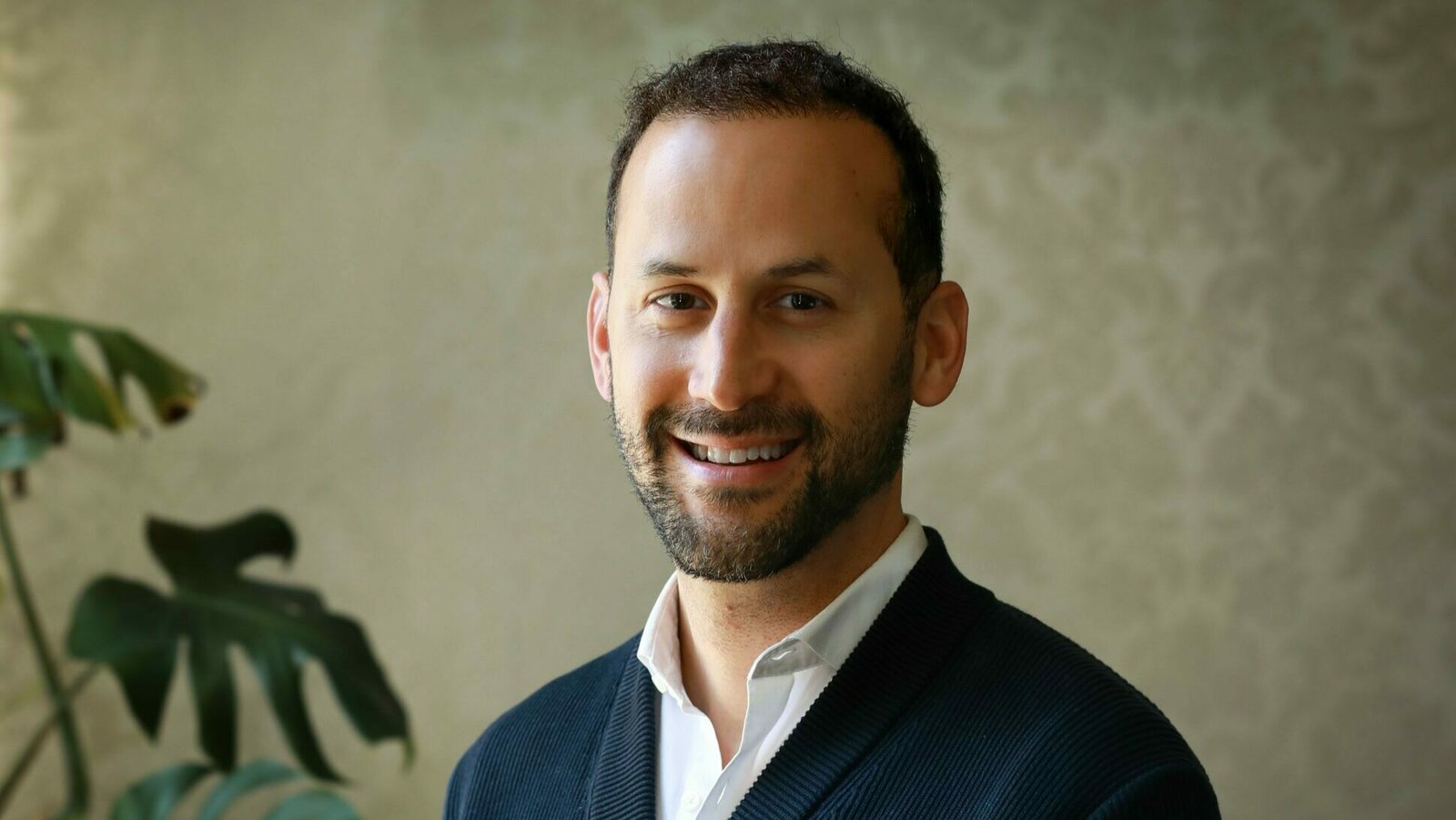

Originally from Venezuela, Eduardo Petit has lived in the Netherlands for over two decades. He currently works as a legal counsel in Amsterdam, enjoys the city’s beer bars, and would love to have Herman van Veen sing at his wedding.
How did you end up in the Netherlands?
I came over to study in 2004. None of my former bosses could believe that I was making the decision to go to the Netherlands. I still remember one of them asking me, “Are you really going to study law in a non-English-speaking country?” They didn’t understand at all. The Netherlands isn’t a destination for many people from Venezuela.
I couldn’t convince them or any of the other people surrounding me at that moment in my life, but I was convinced it was the right decision. I wanted to encounter a culture that was very different from my own and very attractive to me.
But I considered the Netherlands as my entry to Europe. I had no intention of staying here. Towards the end of my master’s, I thought about moving to Switzerland. I even studied French for it, but that didn’t happen, and here I am over 21 years later.
How do you describe yourself – an expat, lovepat, immigrant, international?
I guess I’m a staypat and a dreamer. A staypat is an expat who comes to another country and stays. I added dreamer because I’ve always dreamt that I’ll leave the Netherlands, but the deadline has never been clear. Perhaps there is a reason for that?
How long do you plan to stay?
I’m not planning to leave. I’ve never had a timeline, except at the beginning. Back then, I thought I would stay a few years. Now all these years later, there is no deadline. Who knows when I’ll actually leave? I guess time is wise and will indicate the path, but I don’t see myself staying here until I retire. I think I would rather go to a warmer place, which is my idea with my girlfriend.
Do you speak Dutch and how did you learn?
I do, but I think that learning Dutch, especially if you live in a big city like Amsterdam, is a never-ending story. There’s still so much to learn, even if you live here for many years, because there are so many different ways to say things. There are street words and slang. That’s been my experience.
I took courses, but my best learning method was my personal relationships. I had a long relationship with a Dutch girl. If there’s one thing I have to be thankful for from that relationship, it’s that she was patient with me and with this process of learning. Her and her family really helped; just sitting there at the table with them and listening. After one or two years, I started to understand what was going on.
What’s your favourite Dutch thing?
Biking. You can use a bike for everything here, even dating. You can ride a bike to the place, have the date, and then use the bike to get back. That’s pretty much my favourite Dutch thing, the ease of being able to pretty much live your whole life on a bike.
How Dutch have you become?
I’m now 46. That means I’ve spent about half of my life in this country. I tend to say 30% of me is Dutch. Why not more? Because there’s still a big portion of me that is international and that is Latin. I see and feel things differently. I see myself differently than the locals do.
As for the 30% that’s Dutch, I’m way more balanced with my views. I’m more concise and right to the point when it comes to business and virtually any other type of subject. I like to get to the point and there’s not much of that in the Latin world. In the Latin world, it’s more about storytelling. That’s what the conversations are like there.
People tell me I’m more Dutch, even my own family and Latin friends. I now really like planning. I’m not obsessed, but I like having a plan. It still eats at me sometimes because I love the spontaneous Latin way of life, but this is just how things work here, even on my weekends. Why do I have to plan everything for a weekend?
Which three Dutch people (dead or alive) would you most like to meet?
Willem Drees. He was a politician and the prime minister of the Netherlands after World War II. The most important thing about him was the reconstruction of the country after the war and his social policies. He was a social democrat and one of his policies was to pool money and create the pension system.
He had a pragmatic view and realised that not everything was possible. He knew we could dream of a beautiful ideological society, but it could only be built slowly and step by step. I think his views and the way he went about his policies made him a very interesting man.
janmennens via Flickr
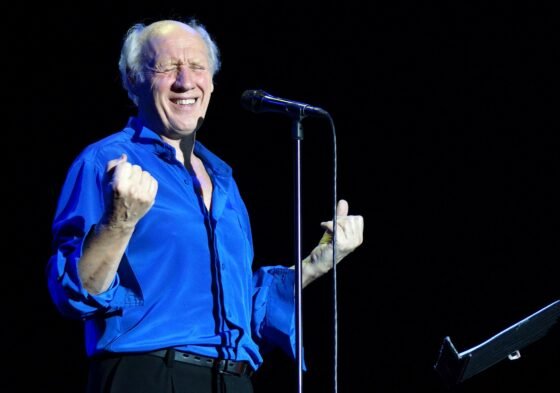
Herman van Veen. His voice made me believe that singing in Dutch can be beautiful. I never thought that was going to be possible, but then I heard his music. Another reason I would like to meet him is to invite him to sing at my wedding.
Johan Cruyff. He was a great footballer and a businessman. He helped build up the Barcelona club, but there’s also all the things he said. They were very simple and funny. I wish I could meet with him, have a beer, and just listen to him and laugh.
What’s your top tourist tip?
When I have friends visiting, I sometimes like to take them to the beer bars, but not the ones everyone knows about. I take them to the ones I call the hidden jewels, the small ones where there aren’t too many tourists.
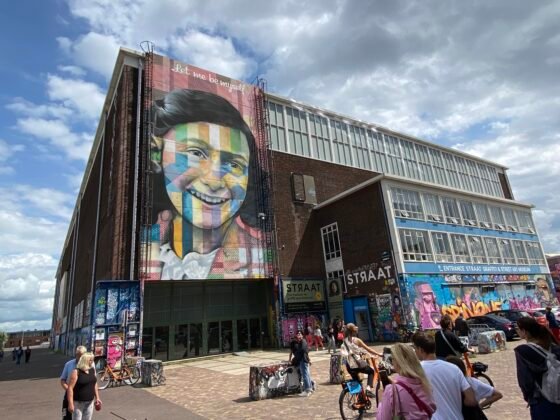
I often tell people to get lost in Amsterdam or at least get out of the Red Light District. Go to Amsterdam-Noord, for example. It’s booming and there’s a lot going on there. There’s NDSM, the street art museum, and all the graffitti. It’s all amazing and different from other parts of the city. It has a contemporary landscape.
Tell us something surprising you’ve found out about the Netherlands.
How the Dutch are still alive despite all this water and how they’ve kept floating after so many years. That’s something I admire. It all works because, here we are, especially with the old houses. I live in one of them in the centre of Amsterdam. For me, it’s amazing that we can live here with all this water.
If you had just 24 hours left in the Netherlands, what would you do?
I would go to the places where something interesting happened to me over these past 21 years. I would go check on the cinema I love the most, the Eye Film Museum. It’s beautiful and I could watch the sunset from there.
I would also want to go on a beer tour to all the places where I have great memories. In De Wildeman is one I would put on the list. Café In ’t Aepjen is another and it has amazing stories and history. I would also want to get some herring. I like herring, funnily enough.
Eduardo was talk to Brandon Hartley. You can learn more about Bucare Consultancy, Eduardo’s consultancy firm, on its website. You can also connect with him via his LinkedIn profile.