










Houseboat owners face damage and odor as drought leaves vessels on lake, river bottoms
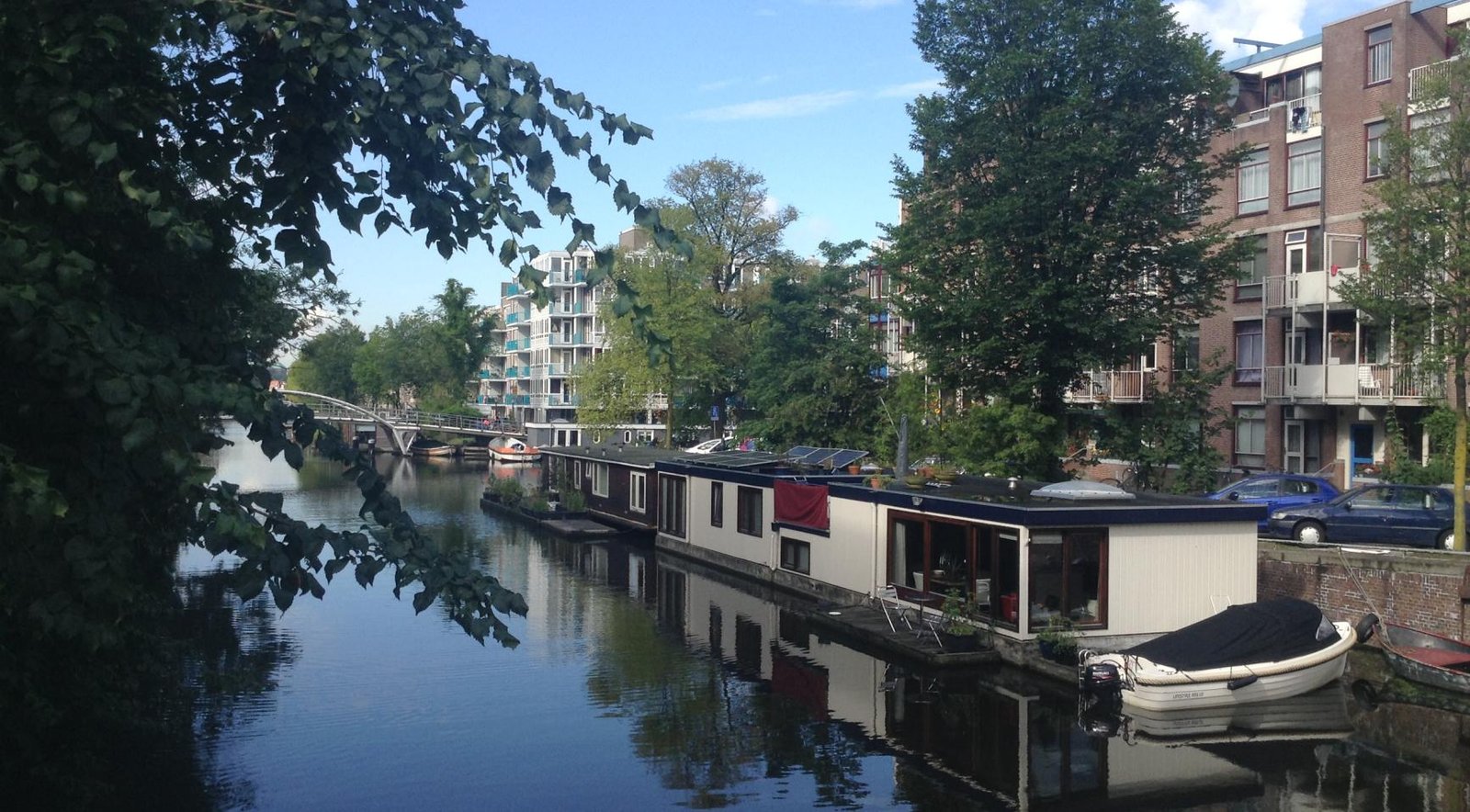
Many Dutch houseboats have sat skewed aground for weeks because of low water. Windows are crooked in their frames, doors jam, and shower water no longer drains. According to NOS, owners report cracks in walls and roofs plus odor from sewage that can no longer discharge properly.
Peter Broekmeulen, general board member of the National Water Living Organization (LWO), said drying-out damage reports arrive every year but came earlier and in higher numbers this time. “This is a problem that has been playing out for the last ten years and for which there is no single solution, because every place has its own challenges,” he told NOS.
In the Rosandepolder, on the border between Arnhem and Renkum, 44 houseboats normally float. About half remain afloat; the rest rest aground, some at sharp angles.
Paul van de Veen, who has lived there more than 40 years, said his boat still floats. “In the early years our boat was sometimes towed by a sailing ship because the water stood too high. Now we have the other side of the coin.”
Dredging paid for by Arnhem in February removed the top clay layer. Boats on the Arnhem side remain afloat. “You can immediately see the usefulness of dredging,” Van de Veen said. “We still have some margin. The water around us is about one meter deep.”
The houseboat of neighbors Marloes and Henk Kraal, on Renkum ground, has sat skewed on the dried bed for months. They report cracks in the walls and roof that keep appearing, windows out of their frames, and gaps and holes throughout the structure.
Sewage that normally discharges into the water now settles on the bed. They and nearby residents improvised a flushing system but still keep windows and doors on the right side closed because of the odor.
Most private moorings are owned by the Central Government Real Estate Agency. Owners rent the spots and must cover maintenance, including costly dredging.
The Kraals and Renkum-side residents are seeking to arrange the work, which can cost tens of thousands of euros. Renkum confirmed in writing that the responsibility rests with the tenants. Arnhem paid for its side.
Broekmeulen told NOS such situations will likely occur more often. “We have seen such water levels more and more in recent years, but usually only in September. Then after a few days of rain it improves again. The drought has now set in very early, and it is more extreme than other years.”
When levels rise, a boat can stick to the bed and fill with water or break free with a jolt that causes more damage. Gert Schols, director of claims and expertise at EOC Ship Insurances, said, “That’s why we advise houseboat owners not to go on vacation during periods of extreme drought or to arrange a house sitter. You have to keep an eye on what happens when the water rises.”
Van de Veen agreed: “Living is a verb, we say here. You have to stay active and not lean back.”