








Paw Patrol sticker on cherry tomatoes: Lidl tests kids’ branding on healthy food
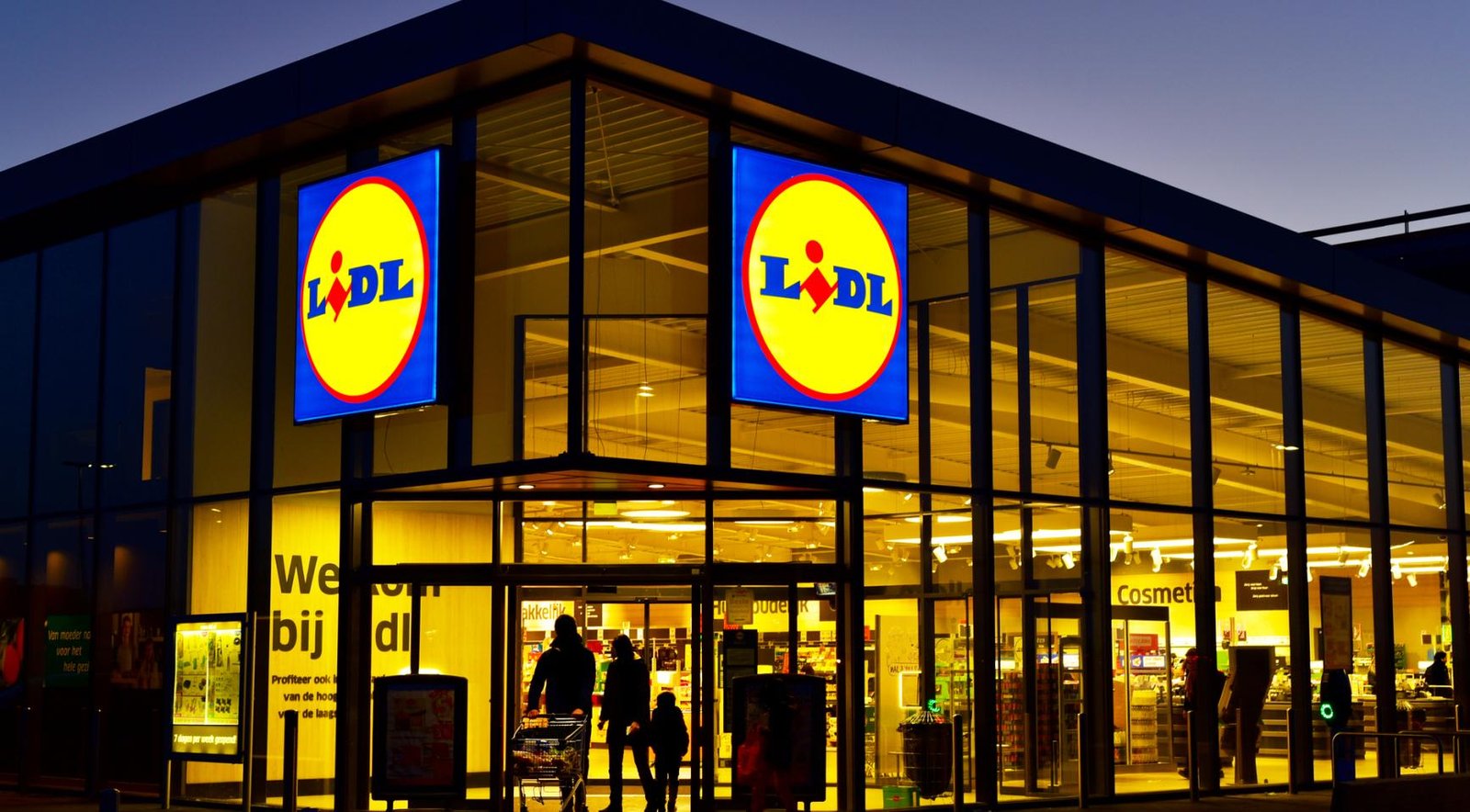
Lidl is testing out kids marketing on healthy food products by sticking Paw Patrol stickers on products like cherry tomatoes or snacking cucumbers. The supermarket chain hopes to encourage children to make healthier choices. Experts have mixed feelings about it, RTL Nieuws reports.
Lidl told the broadcaster that the goal of the campaign is to promote a healthy diet. “Such as eating vegetables and fruit,” the supermarket said. “It is precisely by linking healthy food to popular characters that we make this attractive.”
The supermarket stressed that the Dutch campaign is linked exclusively to vegetables, fruit, and non-food items. Outside the Netherlands, Lidl also sells Paw Patrol nuggets, but according to Lidl, they do not meet the World Health Organization’s (WHO) guidelines, and it is opting for stricter criteria in the Netherlands. Here, only products that meet the objectives of the Nutrition Center’s Schijf van Vijf are linked to cartoon characters.
“The WHO model assesses products based on factors including fat, saturated fat, sugar, added sugar, sweeteners, salt, and energy density. Lidl adds its own requirements to this for ingredients, additives, flavorings, colorings, and preservatives,” a Lidl spokesperson said.
Experts have mixed feelings about the campaign. Health scientist Maartje Poelman of Wageningen University & Research sees two sides. “It is good that marketing is finally being used to promote healthy products. Because that happens far too infrequently,” she told RTL Nieuws.
But on the other hand, you’re also promoting the brand used for the marketing, Paw Patrol in this case. “With a sticker like that, you not only encourage children to eat a banana, but possibly also that they want to watch Paw Patrol more often.” The extra screen time can come at the expense of outdoor play, sleep, and concentration. “Then it becomes part of a broader commercial world. It remains marketing, with a revenue model behind it.”
Diena Halbertsma, chair of De Gezonde Generatie, an organization dedicated to children’s health, wonders how much effect this campaign will have when the world is still filled with unhealthy products marketed at children. “80 percent of advertisements and promotions are for unhealthy food and drinks. Children are particularly susceptible to advertising and see it all day long, both online and offline,” she told the broadcaster.
“It is positive if there is more advertising for healthy products, and we encourage supermarkets to make policy choices with health in mind. But that does not alter the fact that child marketing for unhealthy products is still very much present,” Halbertsma said.