










Spinach now ranks as most pesticide-contaminated vegetable in Dutch guide
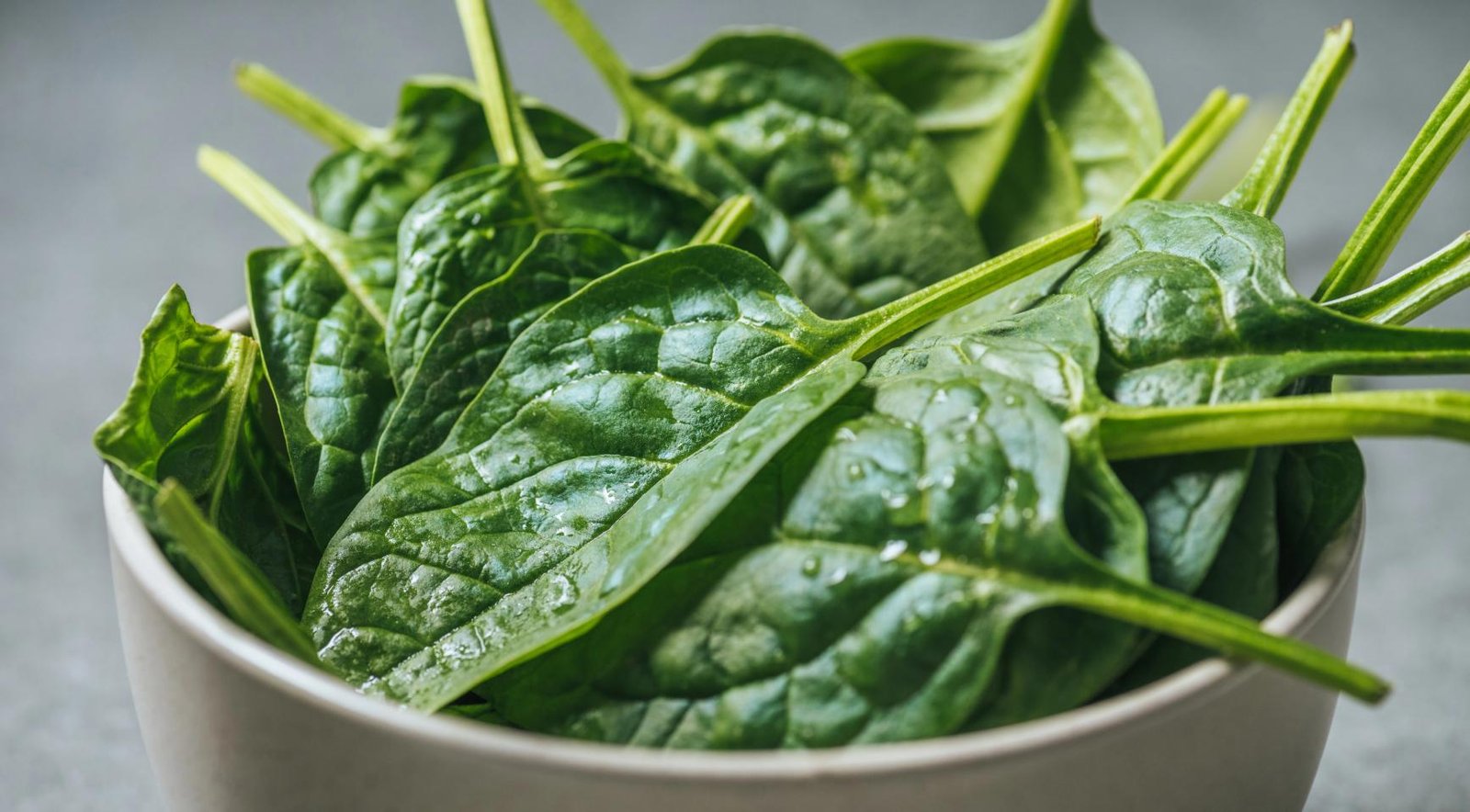
Spinach contains more pesticide residues than any other vegetable, averaging 2.3 different pesticides, according to a new ranking released Monday by Pesticide Action Network Netherlands.
The group’s Pesticide Eating Guide draws on residue measurements by the Netherlands Food and Consumer Product Safety Authority from supermarket and other retail samples in 2023-2025. Bell peppers ranked first last year and now sit second. Endive rose the fastest and ranks third. Citrus fruit remains first among fruits.
Average pesticide contamination across produce stayed nearly unchanged at 1.8 types of pesticides and 0.45 milligrams per kilogram. One grape sample contained 20 different pesticides, a record for a single item.
Statistics Netherlands figures published last year showed a 22 percent drop in overall agricultural pesticide use from 2020 to 2024. The same data showed a 26% increase in use for vegetable and fruit production.
Among fruits, citrus averaged 4.4 pesticide types, strawberries 4.2, and cherries 4.0. The lowest averages were kiwi at 0.5, watermelon at 0.9, and pineapple at 0.9.
Among vegetables, spinach averaged 2.3 types, followed by bell peppers at 2.3 and endive at 2.2. When residue counts match, ranking is set by residue levels; spinach’s levels were substantially higher than those on bell peppers. The lowest vegetable averages were asparagus at 0.0, red beets at 0.1, and pumpkins at 0.2.
The grape sample with 20 pesticides was not recalled. Limits apply to individual pesticide levels, not combinations.
European Commission-commissioned research found pesticides are the top food-safety concern for consumers in Europe. PAN-NL said authorization procedures contain gaps that leave safety unestablished, a point upheld in court.
The group said the guide is meant to help shoppers choose produce with fewer residues, especially pregnant women and families preparing food for infants or young children. European rules cap any single pesticide in jarred baby and toddler food at 0.01 milligrams per kilogram, based on scientific advice and precaution. Conventional vegetables and fruit average 45 times that residue level, the group said. Organic produce faces stricter pesticide rules and is also better for nature, it said.
“People are rightly encouraged to eat more vegetables and fruit. It is a matter of common sense to then choose as few poison residues as possible, especially for pregnant women, babies, and children. Our pesticide eating guide can help consumers with this. For people and nature, unsprayed (organic) vegetables and fruit remain the best choice,” campaigner Sjoerd van de Wouw said.
Pesticide use has drawn increased legal and political scrutiny. Lawsuits have required governments and farmers to cut use near nature areas and residential neighborhoods and to disclose more about which products are applied. A court this month ruled that one pesticide should never have been authorized, a decision expected to trigger bans on many others and raise the prospect of a deadlock similar to the one over nitrogen. The Dutch cabinet is drafting a covenant aimed at cutting use that has no support from any civic organization, while European talks backed by the cabinet consider loosening pesticide rules.
A prior PAN-NL Pesticide Eating Guide, released December 23, 2025, and based on NVWA tests from 2022-2024, ranked bell peppers first among vegetables at an average of 2.1 pesticide types. Spinach and pak choi each averaged 2.0, tomatoes 2.0, and green beans and celery 1.8. Citrus and strawberries tied for most contaminated fruit at 4.4 types each; grapes averaged 3.6.
That earlier analysis found a 7 percent rise in total pesticide residues on fruit and vegetables over the period covered, including PFAS compounds and hormone-disrupting pesticides. Samples covered the full product from farm to store, skin included. The authority said most readings stayed under legal limits and were not necessarily harmful.
The cleanest fruits then were kiwi at 0.7, watermelon at 0.9 and pineapple at 1.0. The cleanest vegetables were asparagus at 0.0, red beet at 0.1 and endive at 0.1.