









The Netherlands has fallen three places to 46th out of 145 countries in the World Economic Forum’s Global Gender Gap Index, a year after dropping 15 places to 43rd.
The annual index measures the gap between men and women on economic participation, education, health and political influence.
The Netherlands has closed 75% of its gap, down 0.6 percentage points on last year, according to the University of Amsterdam team that compiled the Dutch data.
There is no longer a gap in education or health and the economic score has risen slightly, but neighbouring countries are moving faster, Henk Volberda, the UvA professor who led the research, told broadcaster NOS.
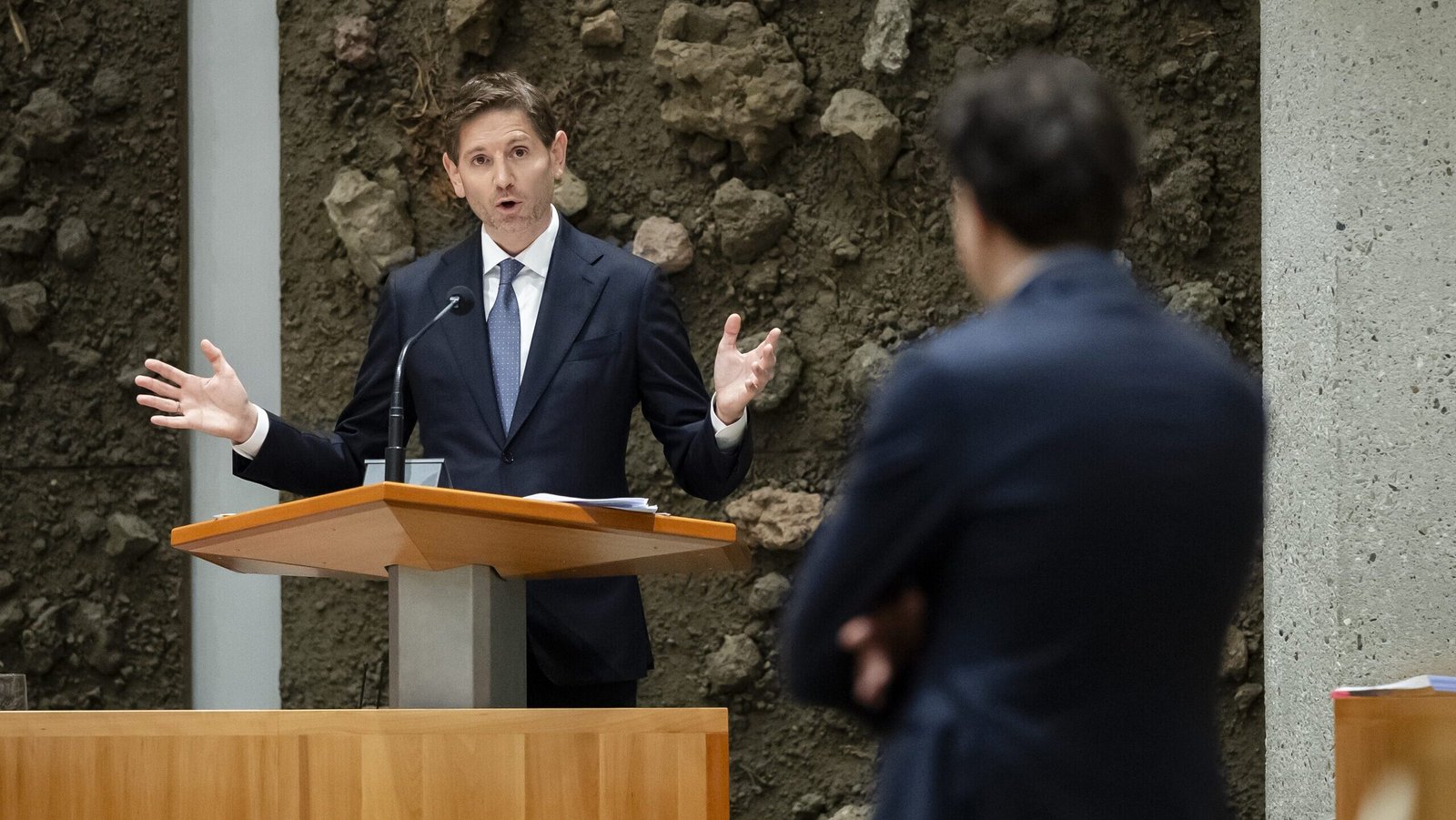
The main drag is politics: the share of women in parliament rose slightly but the number of women ministers fell, and the country has never had a female prime minister.
“I thought we had hit rock bottom last year,” Volberda said. He argued that nobody in government feels responsible for the issue, which sits with the education ministry, and wants quotas for senior public and corporate posts along with Scandinavian-style free childcare and longer maternity leave.
Iceland tops the ranking, followed by Finland, Norway, Namibia and the UK. Germany is ninth. The Netherlands was in the top 15 almost every year between 2006 and 2016.