








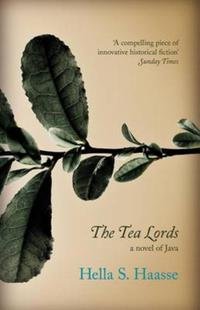

If the characters in The Tea Lords feel real, it is because they are. The grande dame of Dutch literature, Hella S. Haasse, based her internationally acclaimed magnum opus about plantation life in the Dutch East Indies on a trove of letters and documents pulled from extensive archival research.
The book follows Rudolf Kerkhoven, who finishes his studies at what is now TU Delft and moves to a remote tea plantation on Java, a place he nicknames “Eldorado”. The young man is hoping to follow in his father’s footsteps but struggles to adjust to life in Indonesia. While the venture eventually prospers, Kerkhoven’s intimate thoughts show that he does not enjoy the success.
“Never in his life had Rudolf felt such profound relief as when the Telank dropped anchor in the roadstead of Batavia,” Haasse writes.
The reader sees Kerkhoven’s struggle with the land, which can be inhospitable as well as with his wife, who has issues with fertility and with himself. The young man, 24-years old when the novel starts, is deeply anxious and concerned about his position in society and whether he is adhering to the complicated social rules of his class.
The book also follows the complicated political and social structures at the time, as well as an indepth look at the business of tea, something many of us consume frequently but think about rarely.
Like the correspondence referenced in the book, the plot moves slowly, if at all – an interesting juxtaposition to today’s instant communication.
The Tea Lords is not a compilation of letters, but rather a work loosely based on one family’s experience as plantation holders. Haasse found the Kerkhoven family documents in the Indies Tea and Family Archive, but she also drew from her own childhood. She was born in Batavia, modern-day Jakarta.
Haasse is a staple read for Dutch schoolchildren. Born in 1918, her novella Oeroeg is also set in the Dutch East Indies and was written as the gift for Dutch-language Book Week in 1948. Oeroeg is translated into English as The Black Lake and is still taught in classrooms around the country.
Nearly 50 years later, The Tea Lords was published as Heren van de thee in 1992. It was also published during Dutch Book Week and Haasse is the only author to have taken home the Book Week Prize three times.
She was also awarded the Constantijn Huygens Prize and the P. C. Hooft Award, as well as the NS Public Prize twice. She died in 2011 at the age of 93.
Nearly a decade after The Tea Lords was first published, it was translated into English by Ina Rilke. The Guardian called the work “a graceful, marvellously achieved improvisation that only a novelist of the greatest imagination and sympathy could have written.”
It’s a patient read but a fascinating look at life during an often romanticised time. You can get your copy of The Tea Lords at the American Book Center.