









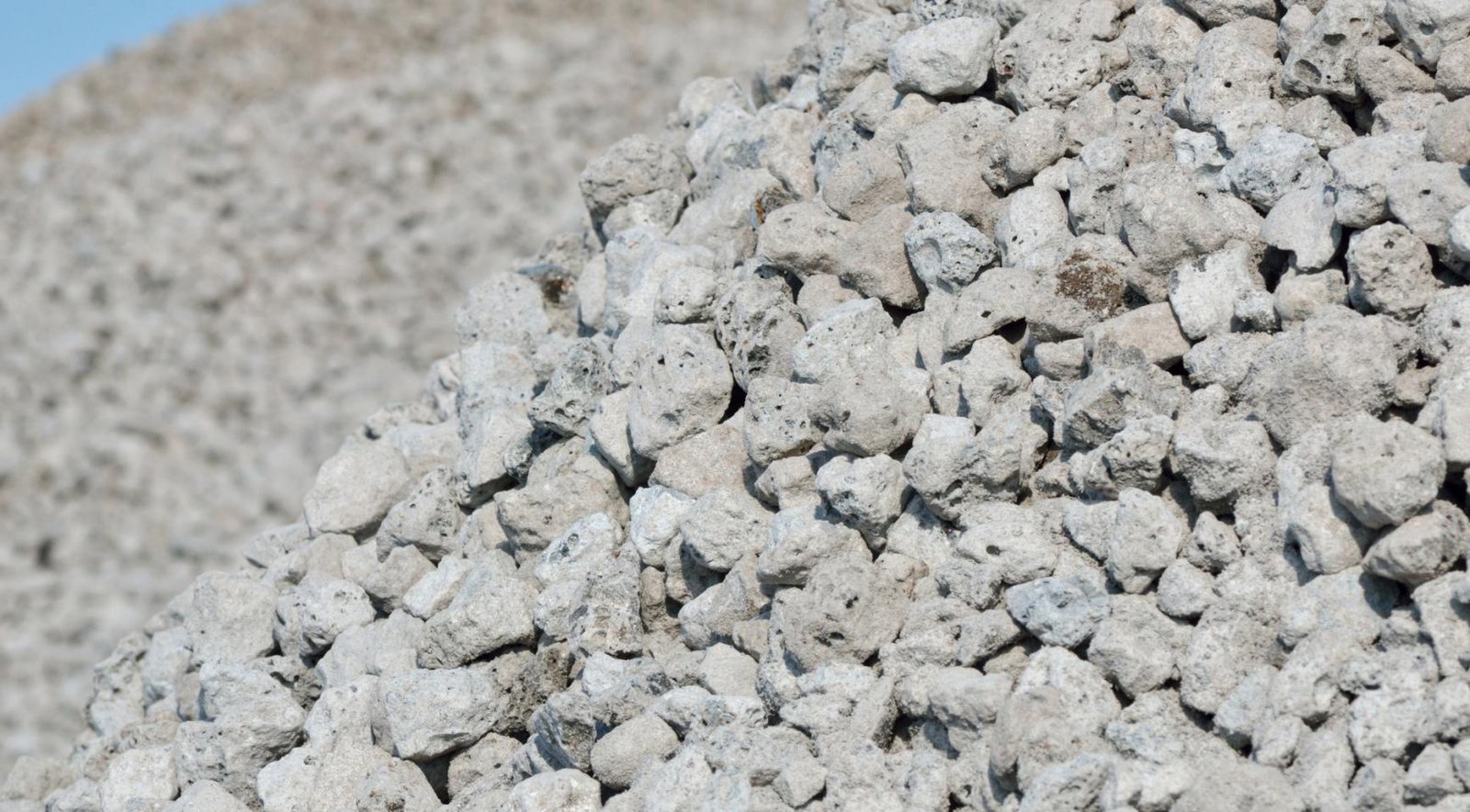


Dutch government forbids municipalities from restricting use of hazardous steel slag
The national government has forbidden municipalities from restricting the use of steel slag with their own measures. Local bans on the polluting material must be reversed this year, NU.nl and Investico discovered in a letter the Ministry of Infrastructure and Water Culture sent to all municipalities, provinces, and environmental agencies in December.
Steel slag, an industrial waste material that can cause environmental pollution and health problems, came under scrutiny last year when NU.nl, Investico, and various media outlets discovered that the material was used in over 200 locations in the Netherlands, including playgrounds. This even though the government had identified the environmental risks involved in 2005.
Under pressure from parliament, then-State Secretary Thierry Aartsen imposed a temporary ban on using steel slag. The ban expires early next year, and it is unclear what the national rules will look like in the long term.
Several municipalities decided not to wait for the cabinet and introduced permanent rules themselves for steel slag, and sometimes also for other industrial waste materials. Beverwijk, for example, completely banned the use of steel slag. Nine Zuid-Holland municipalities introduced permit requirements for various waste materials. And several other municipal councils passed motions to review local regulations.
But the national government stopped that in December. The Ministry said a ban or permit requirement “unnecessarily hinders sales” and “also leads to an uneven playing field within the Netherlands.” According to the Ministry, the national quality requirements already provide “sufficient” environmental protection. The researchers pointed out that the same Ministry said a year and a half ago that the quality requirements for steel slag “offer insufficient protection.”
Aldermen of the municipalities who have already limited the use of steel slag or are working to do so are critical of the government’s stance. “We know the harm that the use of steel slag can cause,” Alderman Pouwel Inberg of the municipality of Brummen told NU.nl. He referred to a landfill full of steel slag in Eerbeek, labeled by the Public Prosecution Service (OM) as an “environmental disaster in slow motion.” It will cost millions of euros to prevent further contamination. Brummen will stick to its plans.
Arnhem is assessing whether its planned ban on steel slag is legally possible, Alderman Eva van Esch told the newspaper. “As a municipality, we are responsible for the health of our citizens and for a clean environment,” she said. She sees “the lobbying of companies like Tata Steel” in the Ministry’s letter and “conflicting signals” about steel slag. “But surely Arnhem isn’t responsible for their waste problem?”
The municipality of Gorinchem will stick to its permit requirement “until the national government itself comes up with better policies,” alderman Mark de Boer said. The other Zuid-Holland municipalities said they would await further input from the Ministry before making a decision.
The Ministry of Infrastructure and Water Management told the newspaper that it was working on a definitive policy for steel slag, “including possible combinations of a ban, a permit requirement, or a notification and registration requirement.” According to the Ministry, municipalities can still deviate from the national regulations in specific local circumstances, but “generic restrictions” are not allowed, partly because they stand in the way of the intention to “utilize waste materials as efficiently as possible.”