










Dutch doctors warn of rising obesity in pregnancy after French study flags health risks
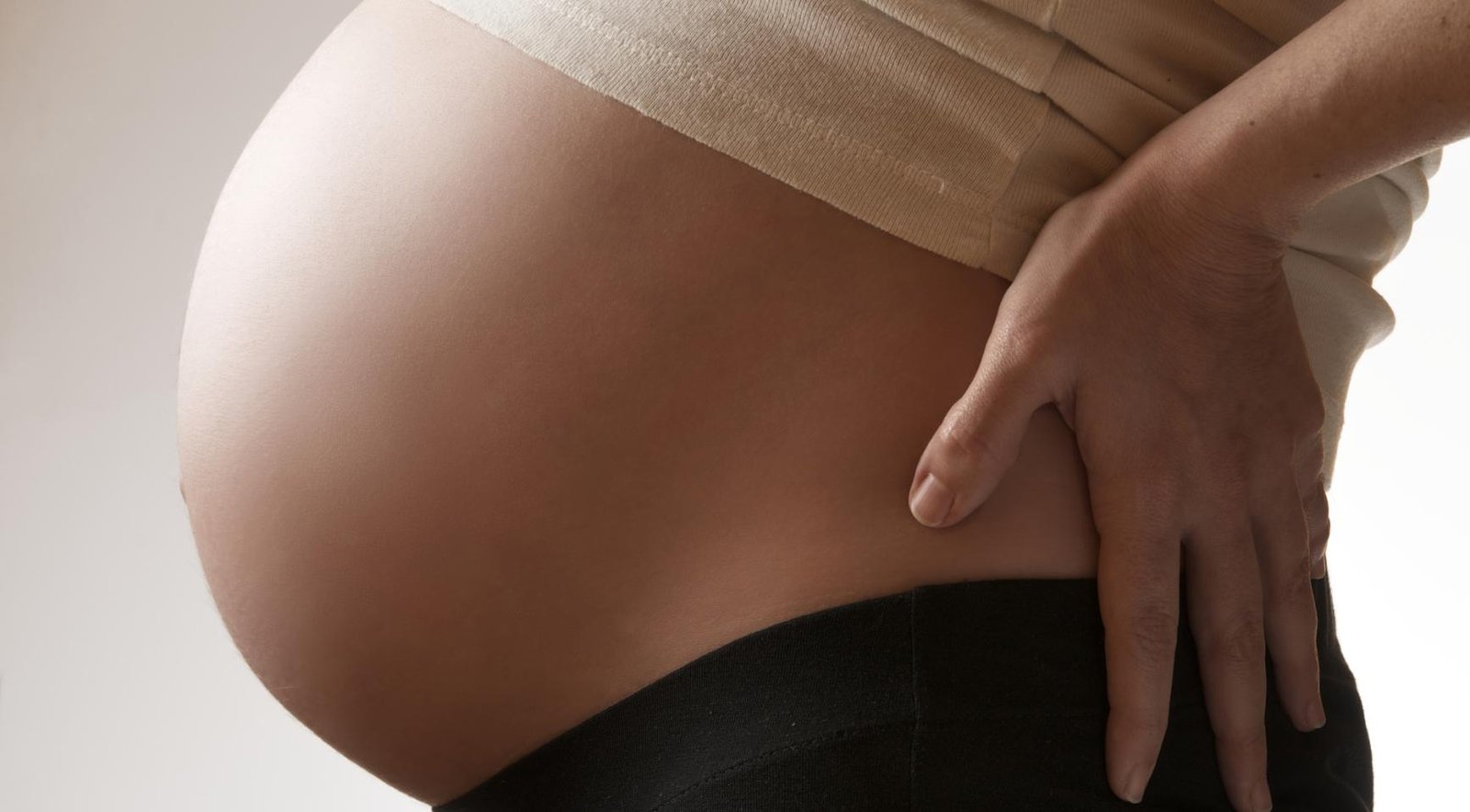
French research warning that obesity in pregnancy is an underrecognized public health threat, combined with Dutch medical organizations acknowledging that the problem is increasing in the Netherlands, is drawing renewed attention to risks for mothers and babies, AD reported.
French neonatologist Delphine Mitanchez, who works at the University Hospital in Tours and specializes in the care of sick or premature newborns, reviewed international research and published her findings in the Bulletin de l’Académie Nationale de Médecine. She argues that governments are underestimating the risks linked to obesity and should give the issue greater priority.
In the Netherlands, nearly 14 percent of the population is obese, while almost half of Dutch adults are overweight or obese. The Dutch National Institute for Public Health and the Environment (RIVM) projects that by 2050, two-thirds of the population will fall into that category.
Mitanchez warns that as obesity becomes more common, the number of pregnant women with obesity will also rise, bringing complications that are currently underestimated.
Pregnant women with obesity face higher risks of gestational diabetes and preeclampsia, conditions that can affect the placenta and fetal development and have lasting consequences for the child after birth. She also cites increased risks of perinatal death, meaning the death of a fetus or newborn. “This is particularly the case in high-income countries such as Australia, the United States, and the Netherlands,” she wrote based on international studies.
Other risks include a higher likelihood of congenital abnormalities, excessive birth weight, longer or more complicated deliveries, and a greater chance of miscarriage. Mitanchez also warns of long-term effects for children. “Later in life, the child is at higher risk of obesity, high blood pressure, and neurocognitive disorders,” she said. She added, “The complications for the fetus and newborn increase as the mother’s BMI (body mass index) rises.”
Dutch medical organizations say they recognize the problem is growing. The Dutch Association for Obstetrics and Gynecology (NVOG) said, “Obesity is an increasingly large problem, also among pregnant women, and it can pose risks for both mother and child.”
The Royal Dutch Organization of Midwives (KNOV) said it is reviewing the French findings and may discuss them further with relevant stakeholders. “Obesity has our attention. We will study the French research and, if relevant for the Netherlands, also discuss it with other parties,” the organization said.
In many cases where the issue is addressed, women are advised to increase physical activity or adjust their diet, though Mitanchez says such interventions often come too late to influence pregnancy outcomes. She stresses that obesity can already affect the placenta in the first three months of pregnancy.
Preventive efforts are being developed in the Netherlands. Rianne de Bruin, a researcher-physician at Erasmus MC in Rotterdam, said lifestyle changes ideally need to begin before conception. “We fully agree with that, but it is quite difficult to reach women with pregnancy advice before they are pregnant,” she told AD.