










Netherlands reports sharp rise in tick bites amid climate concerns
Tick bite reports in the Netherlands rose 41% over the past year, reaching 10,795 cases, the highest level in five years, according to national monitoring data. Experts also cited figures of nearly 11,000 cases last year, marking a similar record high and reinforcing concerns of a sustained upward trend driven by environmental and behavioral factors.
Health specialists linked the increase in part to milder winters that improve tick survival, as well as growing exposure to green spaces during warmer months. They also pointed to inconsistent awareness of prevention measures when people spend time outdoors.
Boswachter Olaf Langendorff of the Gooi region said risk rises quickly when people leave marked trails. “The moment you step off the trails, you have a high chance of encountering a tick,” he said. He added that during one off-trail work assignment, he once counted twelve ticks on his equipment.
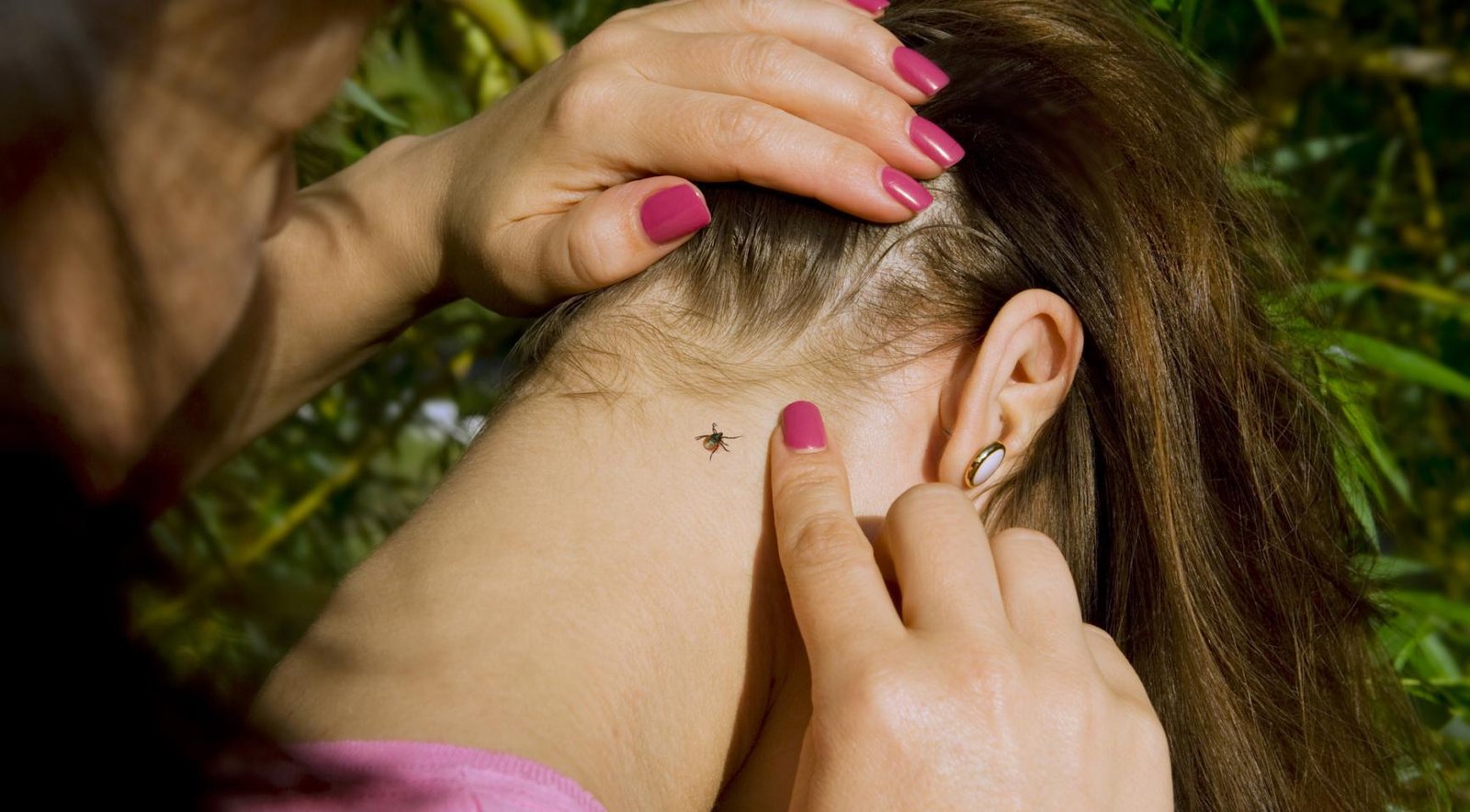
Prevention guidance highlighted during national awareness efforts included the use of a “tick card,” a small tool designed to remove ticks from the skin, as well as thorough body checks after returning from wooded areas. Experts also advised wearing protective clothing and removing any tick immediately using a tick card or tick removal tool.
Former Lyme disease patient Sanne Verrips, now active with the Lyme Association, described severe symptoms from her illness. “I had nerve pain, my eyes could no longer tolerate light,” she said. “I could have had a full bingo card, because I had about thirty different symptoms that kept alternating.”
The Week of the Tick in Hilversum included prevention demonstrations such as “Broek-in-sokkendag,” where volunteers tucked trousers into socks to reduce exposure to ticks. An American yellow school bus parked at Seinhorst shopping center was used as a visual awareness display rather than for transport, drawing attention to the campaign’s public health message.