










Russia files criminal case against Netherlands over ‘theft’ of Crimea Gold
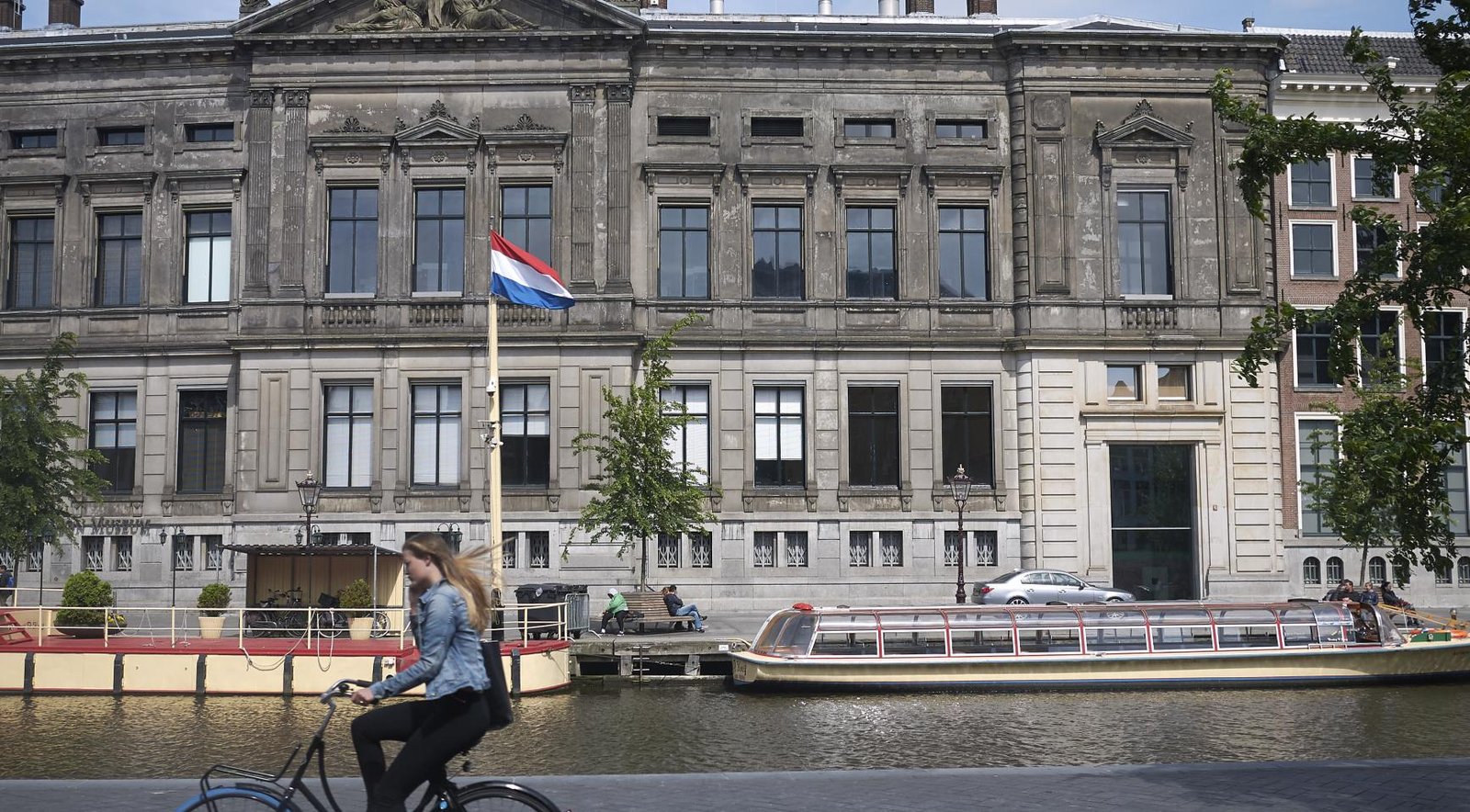
Russian authorities have opened a criminal case against the Netherlands, Ukraine, and Amsterdam’s Allard Pierson Museum, accusing them of “theft” over the return of a disputed collection of ancient artifacts known as Scythian gold to Kyiv in 2023, NOS reports.
Russia’s Investigative Committee, the country’s top investigative authority and a counterpart to the FBI in the United States, said it found “elements of crimes” in the handling of the collection, which had been loaned to the Allard Pierson Museum more than a decade ago.
According to Russian prosecutors, the alleged offense involves “the failure to return cultural heritage exported from Russia in a timely manner.”
The collection—565 artifacts including weapons and household objects from three ancient Crimean peoples, the Scythians, Goths, and Sarmatians—dates from antiquity and the early Middle Ages. The objects originated from four museums on the Crimean peninsula in the Black Sea.
Ukrainian authorities loaned the artifacts to the Allard Pierson Museum in Amsterdam in 2014 for an exhibition titled “Crimea – Gold and Secrets of the Black Sea.” The museum held the collection from February to August 2014.
While the exhibition was underway, Russia annexed the Ukrainian peninsula in March 2014 following a popular uprising in Ukraine that led to the flight of pro-Russian President Viktor Yanukovych. After the exhibition ended, both Russia and Ukraine claimed the artifacts, triggering a prolonged legal dispute over where the collection should be returned. The Allard Pierson Museum decided to keep the artifacts in the Netherlands while awaiting a court ruling.
In 2016, a court in Amsterdam ruled that the Crimean treasures belonged to Ukraine. The decision was based on a UNESCO convention stating that loaned cultural artifacts must be returned to the state that provided them. The court ruled that Ukraine, having officially loaned the objects, should receive them back.
Russian authorities condemned the ruling at the time as “politically motivated.” Russia and the Crimean museums appealed the decision but lost in a higher court. They later asked the Dutch Supreme Court to overturn the verdict, but the ruling remained final.
The artifacts were ultimately transferred to Kyiv in November 2023 after nearly a decade of legal proceedings in the Amsterdam courts.
The collection went on display in July in the Ukrainian capital under the title “Treasures of Crimea. Return.” The exhibition was opened by Olena Zelenska, the wife of Ukrainian President Volodymyr Zelenskyy.
Despite the court’s reliance on UNESCO rules—which prohibit returning cultural treasures to disputed territories—Russia maintains the objects became Russian property after the annexation of Crimea. Investigative Committee spokesperson Svetlana Petrenko said that after the annexation, the peninsula’s museums and their exhibits became property of Russia.
“Officials of the Kingdom of the Netherlands, Ukraine, and the Allard Pierson Museum have stolen, seized, and transferred all the above-mentioned museum items, which are considered cultural treasures, to Ukraine without compensation and without returning them to the Russian Federation,” Petrenko said.
The Investigative Committee estimates the value of the gold collection at about 1.3 million euros, though it says the market value is significantly higher and that some artifacts are “priceless due to the absence of comparable examples in world culture.”
Russian historian Andrei Zubov has estimated the possible auction value at up to 200 million euros but said the Kremlin’s interest in the case is political rather than financial or historical. “Most of the artworks date from the sixth century B.C., and Russia did not even exist then,” Zubov told the independent television channel Dozhd on Friday.
According to Zubov, the Kremlin is attempting to send a political message. “It wants to prove that Russia is the legitimate owner of Crimea, which is legally nonsense. The whole world sees Crimea as annexed territory. The Russian claim is absurd, and the Dutch court acted entirely correctly,” he said, calling the case “downright ridiculous.”