










Independent panel says Schiphol impact report understates airport’s harm to residents
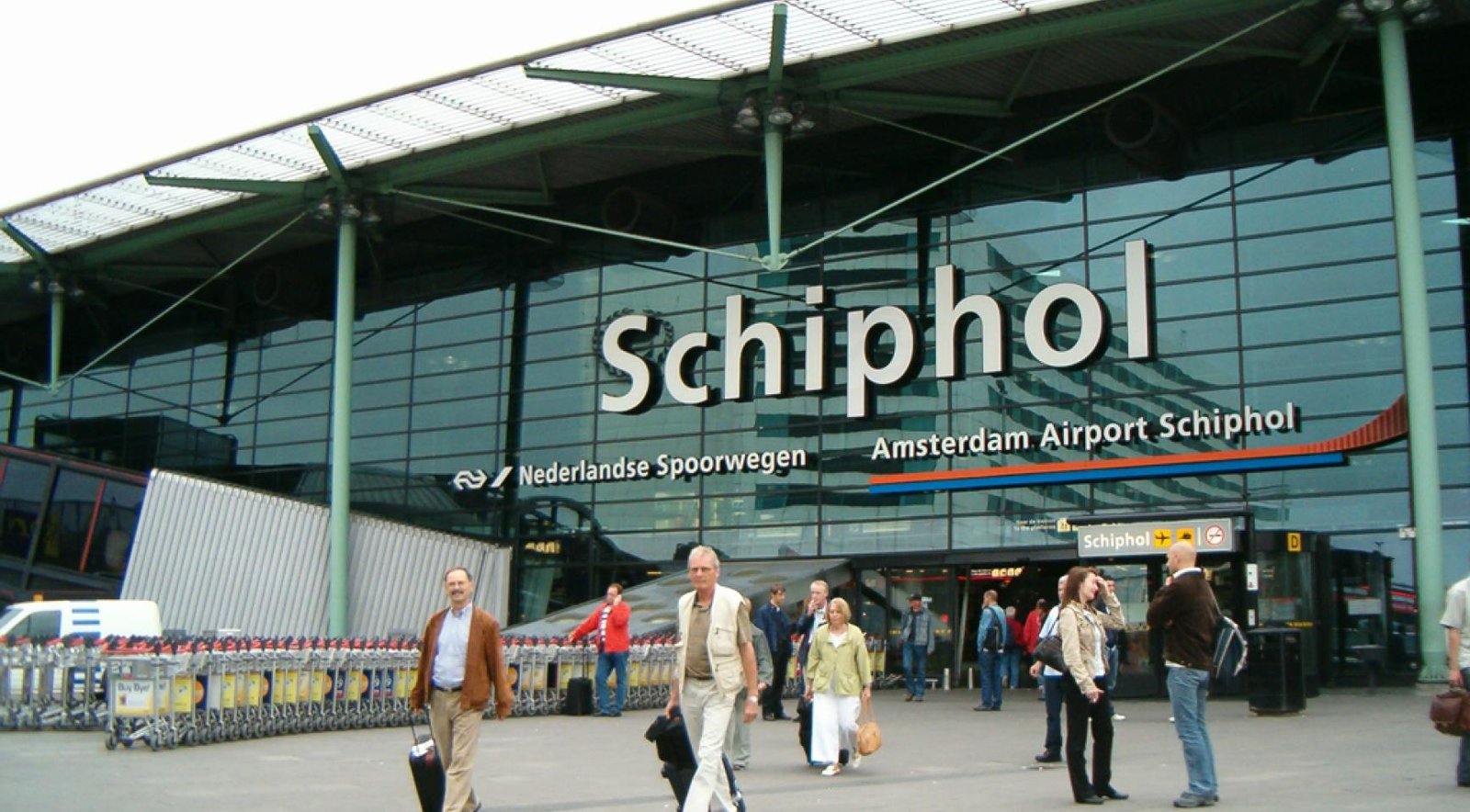
An independent commission has concluded that a government environmental impact report for Schiphol Airport has major shortcomings and does not adequately protect the health of nearby residents, RTL reports.
The commission reviewed the report at the request of the Ministry of Infrastructure and Water Management to help decide the legal limit on the number of flights Schiphol can handle each year. The ministry wants to set that limit at 478,000 flights annually. The environmental impact report, known as a MER and published earlier this year, “does not provide the information needed to properly weigh the interests of the surrounding area and the environment” in making that decision, the panel found.
The chosen approach “gives a lot of room to aviation” and “does not show that residents are sufficiently protected,” the commission wrote. The starting points used make the effects of operating Schiphol at 478,000 flights a year “appear smaller than they actually are.”
That is because the proposal was not compared with Schiphol’s current situation — the airport handled 473,803 flights in calendar year 2024 — but with the “current permitted use” of 500,000 flights. Since 478,000 is fewer than 500,000, the plan appears to benefit the surrounding area and the environment.
But the 500,000-flight figure “has no acquired right” and “has no legal status,” the commission said. In the actual legal situation, the starting point is 294,000 flights per year. That means a decision to allow 478,000 flights annually would produce real environmental effects.
The commission noted that the nearly 300,000-flight legal baseline “seems strictly chosen.” It is based on the 2008 Airport Traffic Decree, or LVB; later decrees did not hold up in court. The 2008 decree set no maximum number of flight movements, only limit values for noise load. As a result, there could in theory be room for more flights. Later studies commissioned by the ministry produced figures as high as 465,000 aircraft movements. Those numbers are still lower than the 478,000 the ministry now wants to establish by law, meaning the decision would bring effects for the area around Schiphol and the environment.
Taken together, the nature and extent of the shortcomings are so significant that the commission advises preparing an entirely new MER instead of supplementing the current one. It recommends that the new report also examine a partial night closure of Schiphol and the so-called Alders paradox — the phenomenon in which quieter aircraft do not always lead to less noise nuisance for residents but can actually increase it, because quieter planes allow more flight movements before noise ceilings are reached.
The commission’s advice is not binding. The Ministry of Infrastructure and Water Management can ignore the recommendations and proceed with legally anchoring the 478,000-flight limit. The findings are nevertheless expected to play a role in the political and public debate over Schiphol. The first committee debate on the issue since the elections is scheduled for May 19.