







Home visits by Dutch family doctors fall 50% in 15 years
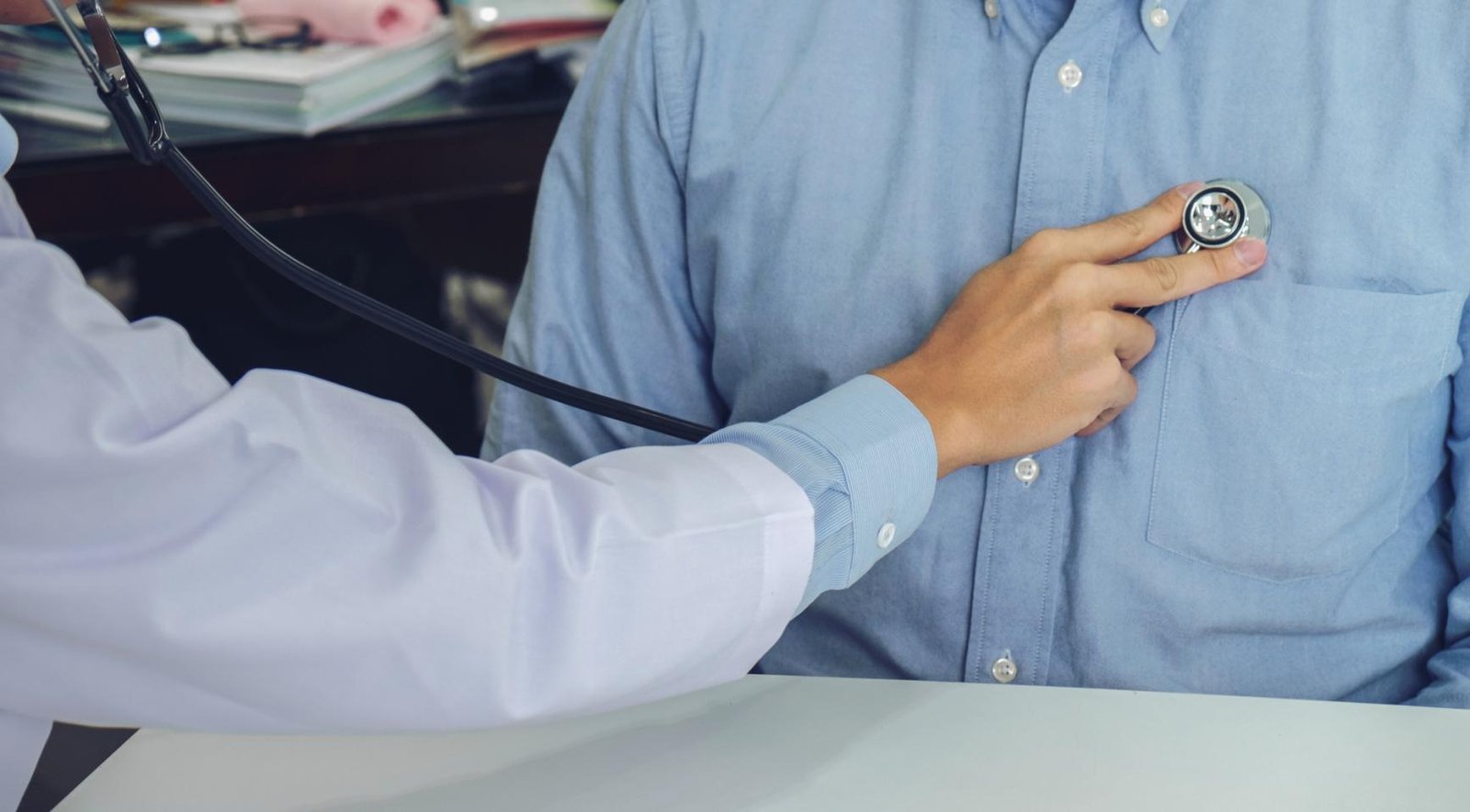
Family doctors in the Netherlands make home visits half as often as they did 15 years ago, according to calculations by NU.nl. In 2011, doctors conducted more than 207 home visits per 1,000 registered patients. Last year, the figure stood at 98. Short visits lasting under 20 minutes fell especially sharply, declining 70 percent.
“Visits are one of the privileges of the profession,” family doctor and practice owner David Schaap told NU.nl. “At someone’s home you see much more than in the practice: you understand far better what is happening, what is going wrong, and where someone comes from. But it has become unsustainable to schedule them generously.”
Family doctors cite several reasons for choosing a home visit over an office appointment. A patient may be bedridden. A visit can also serve a social purpose. A messy house or an inability to make coffee can signal declining mental health. Patients sometimes share more in their familiar surroundings than during an office consult.
“In the past I still sometimes stopped by older people just to see how they were doing and to have a chat,” said family doctor Chris Nijdam. “I notice that with the increased workload that has slipped a bit. I find that a shame. You spot problems earlier through home visits and can therefore intervene sooner.”
Doctors face heavier caseloads, more registered patients, more care requests, and more appointments. Sending patients to the practice is often more efficient than traveling to them.
Practice revenues have not kept pace with the higher workload. “You therefore try to work more efficiently. You become sharper about whom you visit at home and whom you let come to the practice,” Schaap said. “For a ‘short’ visit, you easily lose 30 to 40 minutes, including travel time. For that you receive 19.77 euros.”
A practice consult yields 13.18 euros for 15 minutes of work. In the time required for one home visit, a doctor can see about three patients in the office. The reimbursement amount does not affect a doctor’s personal income directly, but practices must remain financially balanced.
Nijdam said: “That cost calculation is never the reason I drive fewer visits. If an 80-year-old man has pneumonia, I simply go. I really do not expect him to come to the practice. But when I have spent a long time with him and then press ‘declare’ in the system, I do think: this does not cover the time investment.”
Increased workload and fees may not fully explain the decline. A “corona effect” may also play a role, said Joost Vanhommerig of the Nivel research institute. During the pandemic, people learned to be more restrained about contacting their family doctor. Older adults also appear more mobile than before.
“They can arrange more easily to be brought and picked up. We probably also have the pandemic to thank for that. I even sometimes speak to family doctors who say, “If someone can still go to the hairdresser, he or she can also come to the family practice,” Vanhommerig said.
Nijdam added: “With us, ‘I cannot come to the practice’ is usually no longer a reason for a visit. People are really motivated to come to us anyway. Also because we can, for example, draw blood here.”
More than four in 10 family practices now employ a practice nurse specializing in elderly care who can take over some home visits to older patients. Those visits are not counted in the figures above and may account for part of the drop.
Nijdam has such a nurse in his practice. “But people who are ‘just old’ and do not necessarily need a great deal of care fall outside that. Something has to be going on before a practice nurse does such a visit.”
Vanhommerig does not believe care quality is threatened by the fewer visits. “So far not really, as far as I can see. I think people now look more carefully: who really needs those visits most and who can still come to the practice themselves?”
The shift still places greater demands on informal caregivers, Schaap said. “More and more is landing on the shoulders of informal caregivers. Because of aging there are fewer informal caregivers and more older people, but the number of places in nursing homes, for example, has not grown along with it. You only enter a nursing home when it absolutely no longer works at home.”
Both family doctors and informal caregivers are busier than before because more people remain at home who once would have lived in an institution. “In theory these people need a visit more often,” Schaap said. “While we are in effect saying, ‘Ask your informal caregiver, your children, whether they can bring you.”