









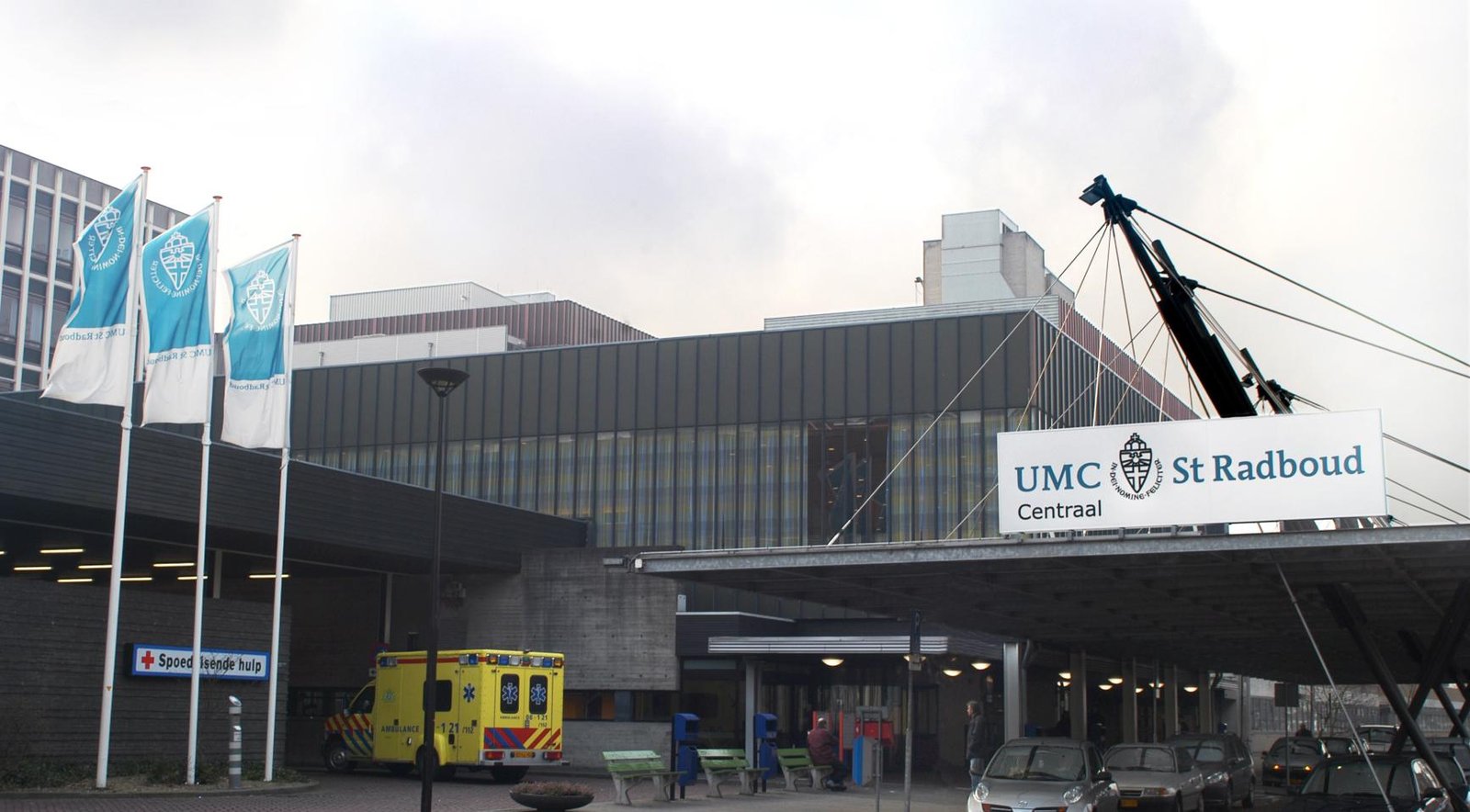


Radboudumc-led study finds radiation and chemo often cure rectal cancer without surgery
A large international study co-led by researchers at Radboudumc shows that a combination of radiation therapy and chemotherapy frequently cures rectal cancer while preserving the rectum, offering an alternative to the previous standard of surgically removing the entire organ. The findings, published Tuesday in The Lancet Oncology, have contributed—along with other research—to revised treatment guidelines in the Netherlands, NOS reports.
Until recently, patients diagnosed with rectal cancer had only one curative option: complete surgical removal of the rectum. The new study demonstrates that organ-preserving treatment succeeds in most cases.
“The new treatment options are a huge improvement for the quality of life for the patients,” Hans de Wilt, a surgical oncologist and researcher at Radboudumc, told NOS. The rectum stores stool and signals when it is time to use the toilet. Without a rectum—and in some cases without the anus—patients often require a stoma and experience ongoing bowel problems. The surgery can also lead to sexual dysfunction.
Patients with advanced rectal cancer already received radiation and chemotherapy in addition to surgery to eliminate lymph-node metastases. De Wilt had observed years earlier that a small number of these patients were cured by radiation and chemotherapy alone. Those numbers were insufficient to change the practice of routinely removing the organ. Researchers then asked whether patients with earlier-stage tumors might more often achieve cure with the combined approach.
More than 500 patients from several countries participated. They could choose between surgery or organ-sparing treatment; the large majority selected the latter. Within that group, half received a short course of radiation. The others received a combination of more extensive radiation and chemotherapy.
The combination proved effective in 79 percent of patients, eliminating the need for surgery or limiting it to a small procedure that preserved the rectum. In the short-course radiation group, the rate was 61 percent.
Yvonne Treffers underwent the combined radiation and chemotherapy five years ago after an alarming result from the national bowel-cancer screening program. She has remained cancer-free since and will have her final check-up in September.
“I am so happy that I then had the luck to be able to choose this treatment in the context of a scientific study. The prospect of a stoma and other problems I did not want,” Treffers said. The five-week course was difficult. “Especially the radiation became intense at some point. But that also passes and you can really continue with life. With such an operation I think that is really different.”
About 3,500 people in the Netherlands receive a rectal-cancer diagnosis each year. When the disease is detected early, organ-preserving treatment is often sufficient. Earlier research from Erasmus MC found that population cancer-screening programs save thousands of lives annually by enabling earlier intervention.
MRI scans now map tumor stage and location with greater precision. For advanced tumors, complete removal of the rectum remains necessary in some cases.
“The nice thing for patients is that depending on their situation in consultation with their doctor they can make the best choice,” de Wilt said. The shift toward more personalized options reflects a broader trend in oncology. Researchers continually seek the most targeted treatment for each individual, which often means fewer side effects and can also reduce costs.
“Some people cannot undergo chemotherapy for health reasons, then there is also the option to try with radiation only. If those treatments are not successful, a surgical intervention can always still be chosen,” he added.