









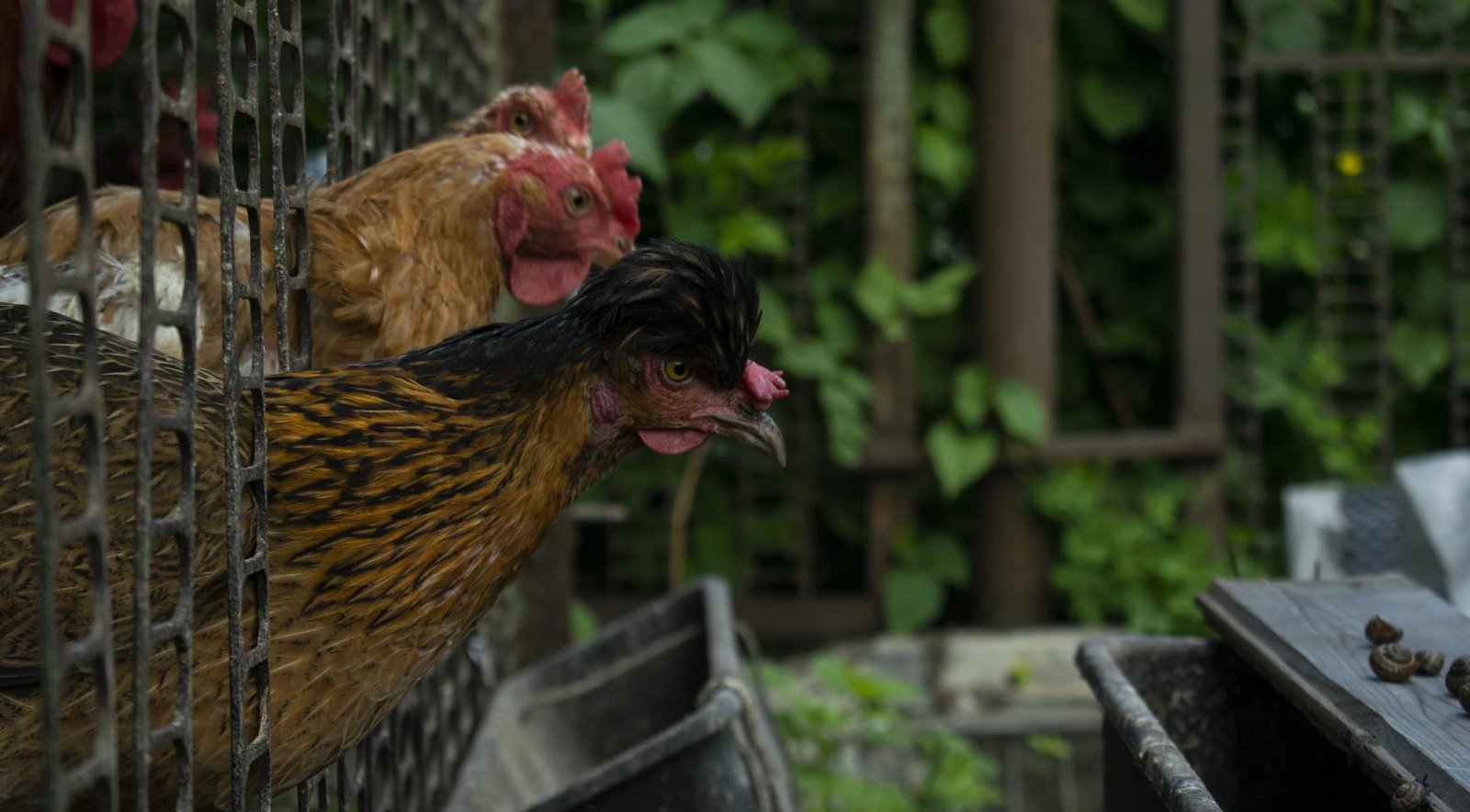


Backyard chicken eggs across Netherlands contaminated with PFAS, study finds
The National Institute for Public Health and the Environment (RIVM) has confirmed on Monday that backyard chicken eggs across the Netherlands contain high levels of PFAS (per- and polyfluoroalkyl substances), with soil-dwelling worms identified as a major source.
“In the eggs of hobby hens that roam outdoors, the highest amounts of PFAS were measured. We often found the same PFAS substances in worms as in the eggs,” the institute said. Other soil organisms were also found to carry PFAS, while water, soil, straw, and chicken coop materials contained lower amounts.
Eggs collected near the Chemours plant showed higher levels of PFOA, while eggs from coastal areas had elevated PFAS, likely due to river water carrying contamination into the North Sea. Testing the same locations multiple times revealed significant day-to-day fluctuations, meaning a single egg test cannot reliably show long-term contamination. The results support the RIVM’s April 2025 advisory for the public to limit consumption of eggs from hobby hens.
A study by Wageningen University, which looked at 801 eggs submitted through the citizen-science platform PFASinKaart, found that hens with more outdoor space tend to lay eggs with higher PFAS levels, while hens that produce more eggs generally have lower concentrations per egg.
The Wageningen analysis supported the RIVM’s conclusion that foraging in soil, primarily on worms, drives much of the PFAS uptake. Feed type and water source were not significant factors. Model-based mapping also showed directional patterns consistent with prevailing southwesterly winds, suggesting broader regional deposition beyond individual backyards.