










Anti-immigration party PVV has threatened to vote against the government’s two new asylum laws, potentially leaving the coalition without a majority ahead of next week’s decisive vote.
This comes after the asylum minister Bart van den Brink made concessions in the senate yesterday to his fellow Christian Democrat (CDA) members by promising the criminalisation amendment, which will make being in the Netherlands without papers punishable by up to six months in prison, would only be enforced in serious cases.
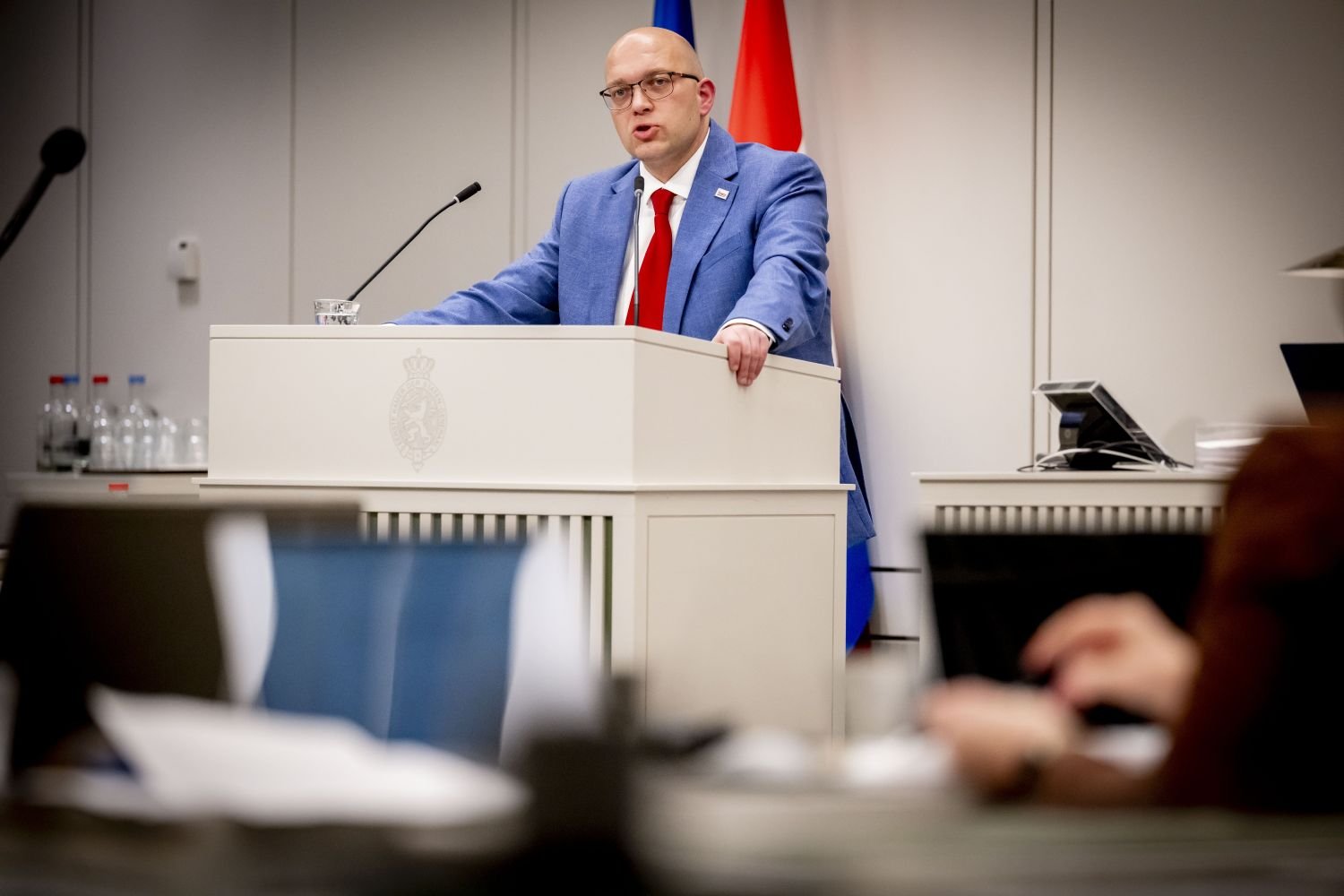
PVV senator Alexander van Hattem said during the debate his party would only vote in favour next week if four motions were also accepted: a total freeze on new asylum, a repeal of the spreading law (obliging councils to house their share of asylum seekers), strict criminal enforcement against undocumented migrants, and the adoption of Wilders’ ten point plan – which includes deploying troops at the borders.
The threats come just as the coalition was closing in on a majority. The CDA’s demands to water down the criminalisation clause could have clinched the party’s support for the laws, whose six senators are pivotal to the vote passing.
Coalition partner D66 has already said it will vote against, leaving the chamber otherwise evenly divided – without the CDA’s votes the bills will likely fail, and without the PVV’s four senators on top, the coalition will be several seats short.
Bluff or breaking point?
The bills were originally drafted by former PVV migration minister Marjolein Faber, and were a centrepiece of what the previous coalition called the “strictest asylum policy ever”.
Once MPs unexpectedly backed the amendment criminalising illegal stay, the PVV made a similar threat last July to vote down its own bills (demanding the spreading law be abolished) before eventually voting the package through regardless. The vote next week will determine whether Van Hattem’s current threats are another bluff.
Regardless of concerns over the criminalisation clause, staying in the Netherlands without papers is already grounds for detention. Some 3,590 people were placed in immigration detention in 2024, according to figures from custodial institutions agency DJI, though this is handled by immigration services rather than police.
The official criminalisation amendment, despite Van den Brink’s pledge to limit its use, could be used by future coalitions to have police actively hunting down undocumented people, potentially pushing them further into the fringes and making deportations even harder.
GroenLinks-PvdA senator Farah Karimi told the chamber on Monday undocumented people would “disappear under the radar” and stop seeking medical care if the law took effect.