








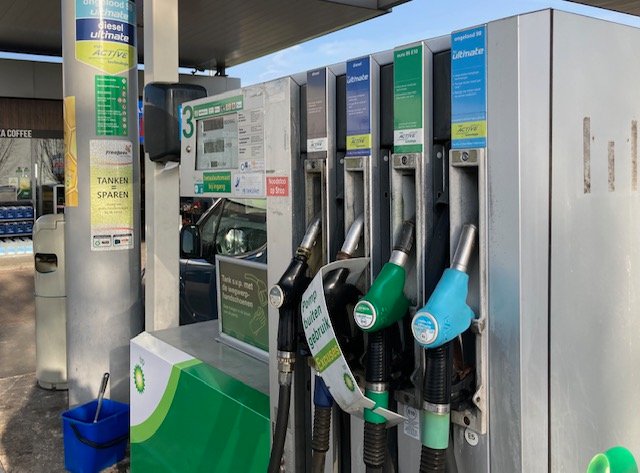

The cabinet has drawn up a €1 billion package of measures to soften the impact of the war in the Middle East on companies, motorists and families, but it does not include lower petrol prices, broadcaster NOS reported on Wednesday.
NOS’s parliamentary sources say that most of the ministers involved have opted for other measures rather than a cut in fuel taxes.
The package includes an increase in the tax-free travel expenses for workers (up from 23 to 25 cents a kilometre) and halving road taxes for vehicles with a grey number plate – usually vans – until the end of the year.
Ministers are also setting aside €50 million to help support the poorest households and putting more money into improving home insulation.
The plan is set to be discussed by ministers at Friday’s cabinet meeting. Ministers will then try and win support from opposition parties for the measure, given the government does not have a majority in either house of parliament.
Several other EU countries have opted to cut fuel taxes, and some opposition parties support such a move in the Netherlands.
In Germany, for example, a 10-cent reduction in the price of a litre of fuel is costing the state €1 billion, NOS said. According to the Telegraaf, just five of the 27 EU member states have not taken steps to cut the price of fuel.
Given that no-one knows how long the crisis will last, the cabinet does not want to spend too much alleviating the impact immediately, NOS’s sources said. In addition, they said, cutting fuel taxes may also encourage people to drive more.
The International Monetary Fund warned on Tuesday that cutting fuel prices should be “tightly focused” and “temporary” because of the possible impact on national debt.