










Dutch hospitals warn of rising shortages of medical devices
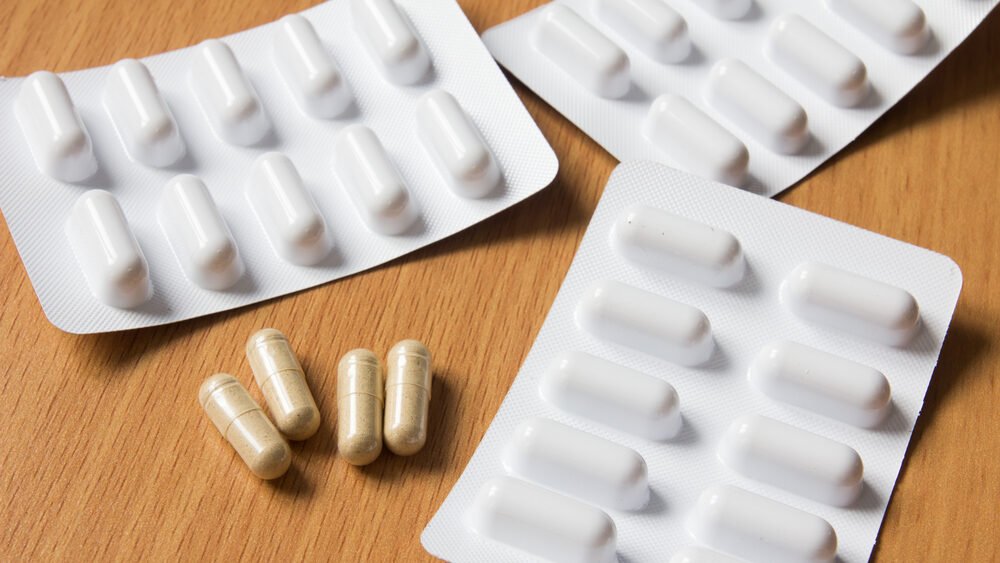
Dutch hospitals are confronting increasing shortages of medical devices, ranging from basic supplies, such as surgical gloves, to highly specialized components used in complex surgeries and MRI scanners. The strain intensified after a large-scale recall of a heart catheterization component triggered an acute nationwide shortage affecting about 70 hospitals, halting planned heart procedures.
Experts and healthcare professionals say shortages are now a daily reality in the Dutch health system. “Each hospital has every day to deal with an impending shortage,” Mariken Zijlmans from the Dutch Association for Clinical Physics (NVKF) told NOS. She said essential surgical products are not always delivered. “But occasionally that does not work either.”
Peter van der Weide, owner of a medical wholesale company, said hospitals are increasingly forced to rely on alternative suppliers when regular distributors cannot deliver, and he expects the situation to worsen.
He said tighter European regulations are a major driver of the shortages, requiring manufacturers to recertify medical devices. “Because of that, manufacturers regularly remove products from their range because it simply no longer pays to bring them to market in Europe,” he told NOS. He added that recertification is expensive and often requires product redesigns, making some items no longer commercially viable.
Geopolitical disruptions are also contributing, said Bart van Bezooijen, a urologist at Meander Medical Center. “If oil, plastic, gasoline, diesel, and other substances are needed to make or transport products and they are not available, then that has an effect,” he told NOS.
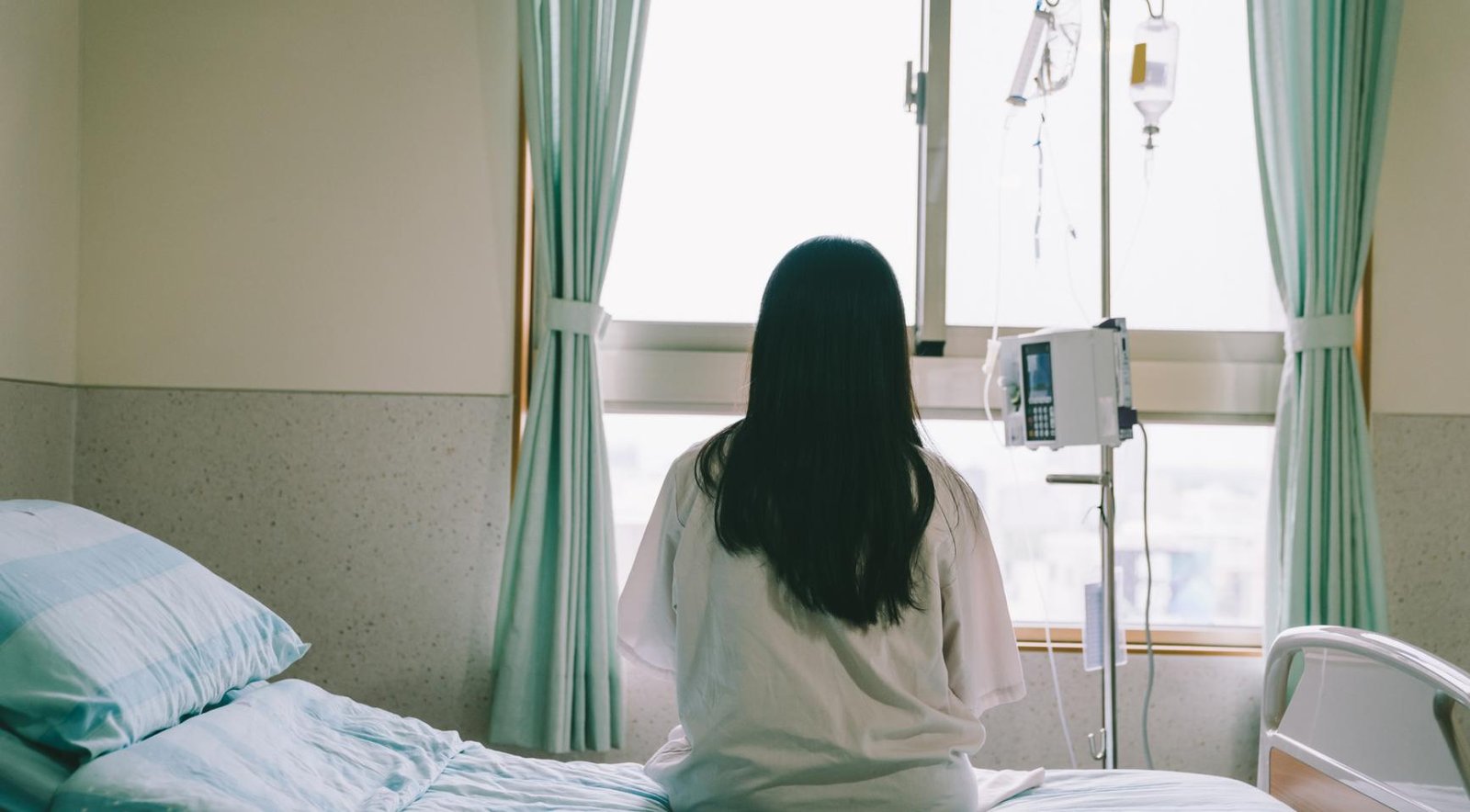
Zijlmans said patients are not yet seeing major impacts, but some operations are being postponed. “We sometimes have to postpone a scheduled operation if something has not been delivered,” he said. “And sometimes a courier has to travel back and forth between hospitals. That is not only costly, but you also need to be able to work with those other products. Alternatives are often limited. You are not the only one dealing with these kinds of problems.” Van Bezooijen warned that pressure on the system is increasing. “The care may no longer be able to meet expectations,” he said.
Last month, a recall of a specific heart catheterization component created an immediate nationwide shortage. About 70 hospitals were forced to coordinate quickly to determine where stock remained and which facilities needed supplies most urgently. Planned heart procedures were suspended.
He said shortages are becoming more frequent and now extend beyond medical devices to include medicines and staffing. When shortages occur or are anticipated, hospitals must report them to the Zorg Inkoop Netwerk Nederland (ZINN), a coordination body created during the COVID-19 pandemic.
“Then the first inventory begins: does it affect one hospital or many hospitals?” said Kevin Overgoor of ZINN. Dutch hospitals independently purchase medical supplies through agreements with individual suppliers, a system Overgoor said should change.
“If you purchase autonomously, you do not look at the interest of the total Dutch healthcare system,” he said. He said medicines are already centrally purchased and argued medical devices should follow the same model.
“The cabinet has this year made funds available for resilience and related medical products and production chains,” a spokesperson for the Ministry of Health said. The ministry said it is working on a blueprint for a crisis structure for large-scale shortages and is also reviewing national stockpiles.