








Dutch ministers’ social media costs taxpayers at least 3.5 million euros since 2020
Dutch ministers and state secretaries have spent at least 3.5 million euros since 2020 on external hires to manage their social media accounts. At least 33 full-time government employees now handle the ministers’ online presence, according to data from all ministries.
The figures, released in response to questions from De Telegraaf, show that social media teams create posts for Instagram, LinkedIn, X, Threads, Mastodon, and Bluesky. Prime Minister Rob Jetten opened a Bluesky account this year.
Many official ministerial accounts are transferred to successors after cabinet changes.
The 3.5 million euros covers only external contractors. Ministries noted that true costs are difficult to calculate. Staff often work on both ministerial and departmental accounts, and the actual expenditure is likely significantly higher.
Defense and Economic Affairs accounted for the largest shares. Following Russia’s invasion of Ukraine, the Defense Ministry sharply increased its social media efforts. Between 2022 and 2024, it spent more than 724,000 euros on external advisers for then-Minister Kajsa Ollongren of D66 and State Secretary Christophe van der Maat of VVD.
A Defense Ministry spokesperson said the spending was necessary to build the social media structure and explain the changed security situation. “It is important that it is visible how Defense is preparing for the current security situation and why investments, exercises, and scaling up are necessary,” the spokesperson said. External hires ended in autumn 2024.
At the Economic Affairs Ministry, costs rose sharply during the coronavirus years. In 2020, under Minister Eric Wiebes of VVD and State Secretary Mona Keijzer, then of CDA, more than 325,000 euros went to external capacity.
The following year the amount climbed above 438,000 euros. The ministry cited the need to handle constant communication about coronavirus measures, business support packages, and public questions on social media.
External hiring has declined since 2025 as ministries professionalized their operations. Most now employ permanent social media advisers.
The inventory shows at least 33 full-time equivalent positions dedicated to ministers’ and state secretaries’ accounts. These positions cost an estimated 3 million euros annually based on standard government salary scales.
Broader figures indicate an even higher number of employees. In 2026, more than 67 full-time workers across government worked on social media and online activities.
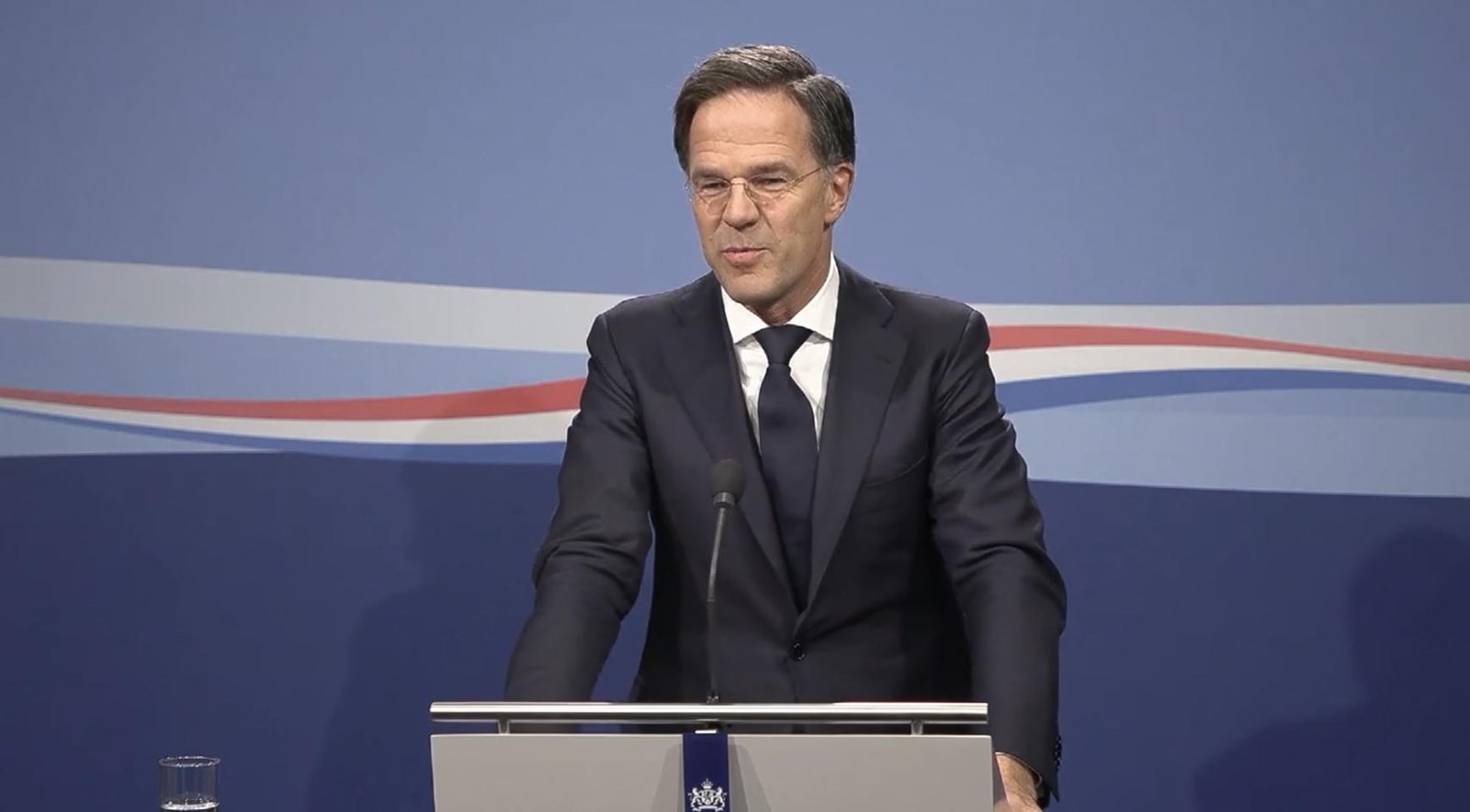
For the prime minister’s office, staffing grew from 1.6 full-time equivalents in early 2020 under Mark Rutte to a temporary 2.1 at the end of 2023. It then settled at exactly 2.0 under Jetten. This represents about two extra workdays per week compared with earlier levels.
Additional costs include nearly 580,000 euros since 2020 from the Interior and Housing ministries. The money paid for photos, videos, visuals, infographics, explainers, and question-answering support for ministers’ accounts.
Spending peaked in 2022 at nearly 200,000 euros when CDA members Hanke Bruins Slot and Hugo de Jonge were both ministers.
Specific productions carried separate price tags. A livestream on slavery apologies cost more than 6,400 euros. An infographic for the Jetten cabinet’s coalition agreement, titled “Aan de Slag,” cost more than 5,600 euros. That compares with about 5,300 euros for a similar graphic under the Rutte IV cabinet. Recording Rutte’s farewell speech from the Torentje cost more than 8,200 euros.
Virtually no ministries spend on paid promotion of posts. Costs are driven by personnel, content creators, photographers, videographers, and support teams.
Ministries say the efforts enable direct communication with citizens and clear explanations of policy. However, reach varies. A video by Minister for Development Cooperation Sjoerd Sjoerdsma of D66 used Lady Gaga’s song “Telephone” to say he was “kinda busy” in Brussels. It received only 13,700 views.
One insider described the overall spending to De Telegraaf as “a lot of money for the typing of some letters.”