








Dutch scabies cases stay elevated as treatment proves difficult
Cases of scabies remain stubbornly high in the Netherlands, occurring more than 11 times as often last year as 15 years earlier. Current rates of 6.8 cases per 1,000 residents are still far above the 0.6 cases recorded then and only modestly lower than the 2023 peak of 10.2, according to figures from research institute Nivel.
Treatment remains complicated, as no single solution exists. Public health services plan to intensify education during upcoming student introduction weeks while testing a new guidance app.
“‘Scabies’ was not an issue in the Netherlands for decades. Maybe it only occurred sporadically,” epidemiologist Wilma Stolk told NU.nl. Stolk researches ways to halt the epidemic for Erasmus MC and GGD Rotterdam-Rijnmond.
The condition is caused by a mite invisible to the naked eye that burrows under the skin and lays eggs. “So once you have mites, they can keep multiplying,” Stolk said. The intense itch that follows disrupts sleep and can leave people “almost a kind of paranoid at the thought of bugs in their skin.”
Transmission usually requires prolonged skin-to-skin contact, such as sex or sitting on a couch with bare legs touching for about 15 minutes. “You don’t get scabies from just shaking someone’s hand,” she emphasized. Mites can also survive up to three days on fabric furniture, carpet or towels, allowing indirect spread that makes eradication harder.
Two treatments are available: repeated courses of relatively costly ivermectin tablets, or repeated applications of a cheaper cream. “You have to smear yourself with it from your jawline to your toes,” Stolk said, covering under the nails, the genital area, and hard-to-reach parts of the back. The cream must remain on for up to 12 hours, and any areas washed off during bathroom breaks must be reapplied.
Patients must also wash bedding, bag and wash clothing, vacuum fabric furniture and carpets, and avoid cuddling pets for several days. Housemates and other close contacts need the full regimen even without symptoms, because mites can stay undetected for four to six weeks. “That way you prevent getting it again from your environment once you’re ‘clean’ yourself,” Stolk told NU.nl.
About 30 percent of treatments fail on the first attempt, raising the risk of further spread. The reasons for the sustained rise remain unclear. “I don’t believe there has been a sudden change in behavior,” Stolk said. “But we have, for example, started traveling more. We also don’t yet know what the impact of climate change is. And maybe—but that’s very hard to prove—mites are less sensitive to the medicines nowadays.”
She rejects the idea that current levels are the new normal. “We currently have no magic bullet against scabies, so we have to use the means we do have as well as possible.”
To improve compliance, colleagues developed an app that guides users through the hygiene steps over 12 days, prompting actions such as cutting nails, vacuuming, and bagging clothes on specific days. “It takes quite a lot of effort to do all that in the right order, so the app keeps an overview and gives explanations,” Stolk said. The tool will be tested among students after the summer.
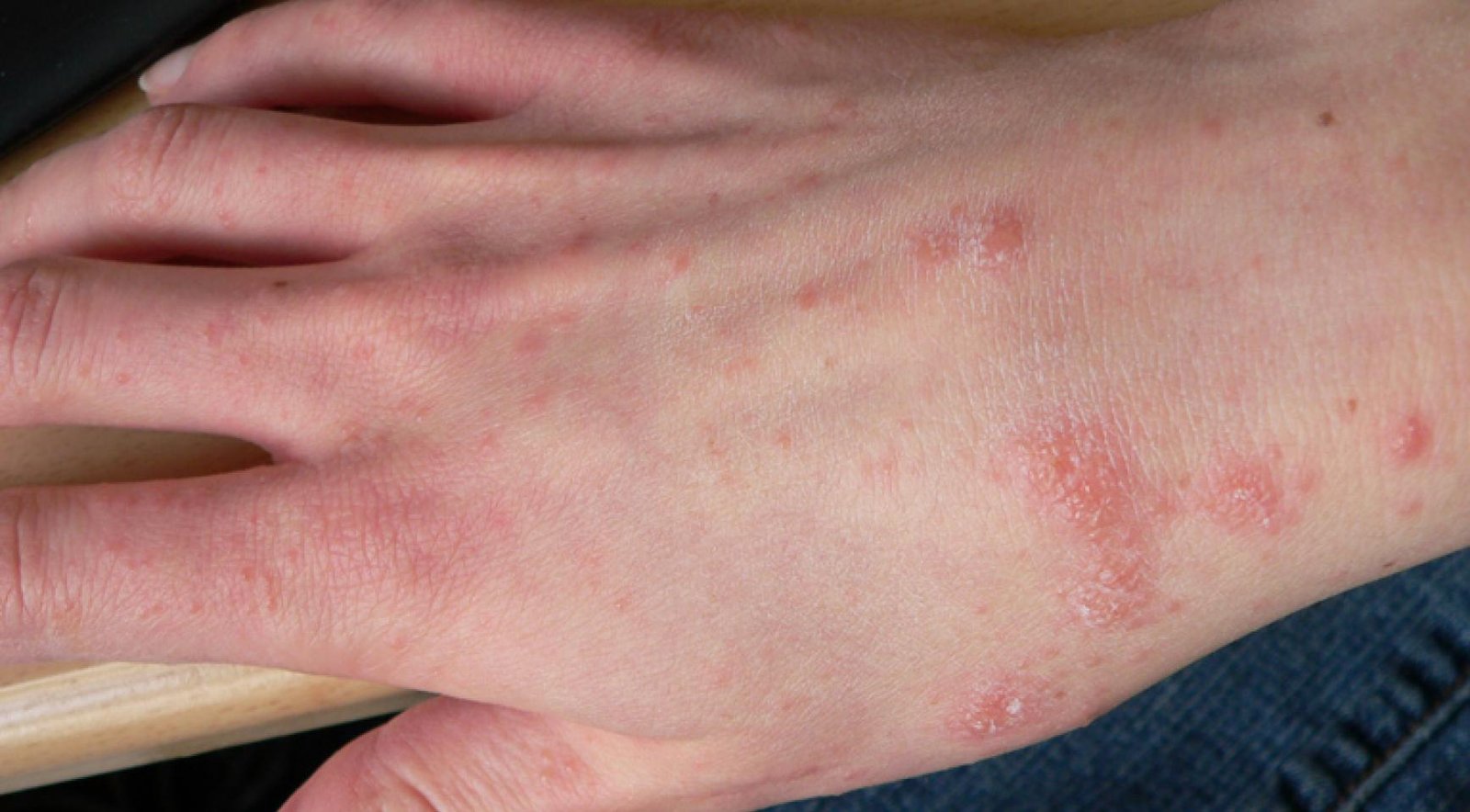
GGD safety region Utrecht is assembling an image bank to help doctors recognize the condition faster. “GPs in student cities have already dealt with it a lot by now, but in areas where it occurs less often, it can take a while until the right diagnosis is made,” Stolk noted.
Anyone can catch scabies, and rates have risen across every age group, though students are affected especially often. GGDs in major student cities will expand outreach beyond flyers and booths during the coming month’s introduction weeks. GGD Amsterdam is distributing beer coasters and a cardboard photo board. “If you stick your head through the hole, it looks like you’re lying in bed with such a mite. ‘You’d rather not lie in bed with this mite,’ it says then.” The campaign also runs in English. GGD Rotterdam-Rijnmond offers a living board game and a Wheel of Fortune-style activity. GGD region Utrecht presents an interactive quiz on sexual health and scabies, along with information flyers that include a washing-instruction strip. GGD Groningen provides a photobooth under the slogan “Scabies, that little beast you don’t want at your party.”