









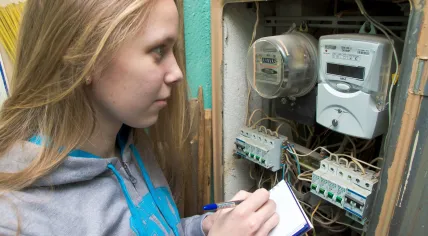
Experts warn of rising fires in Dutch meter cabinets
Experts warn of rising fire risks in Dutch electrical meter cabinets. Incidents climbed from 106 in 2021 to 176 last year—about three accidents a week, most of them fires—according to KRADO data compiled for Netbeheer Nederland. Older group panels in particular often cannot handle the rapid increase in installations of solar panels, EV chargers, heat pumps, and home batteries. According to RTL, experts also warn against using the meter cabinet as storage for shoes, vacuum cleaners, umbrellas, or similar items.
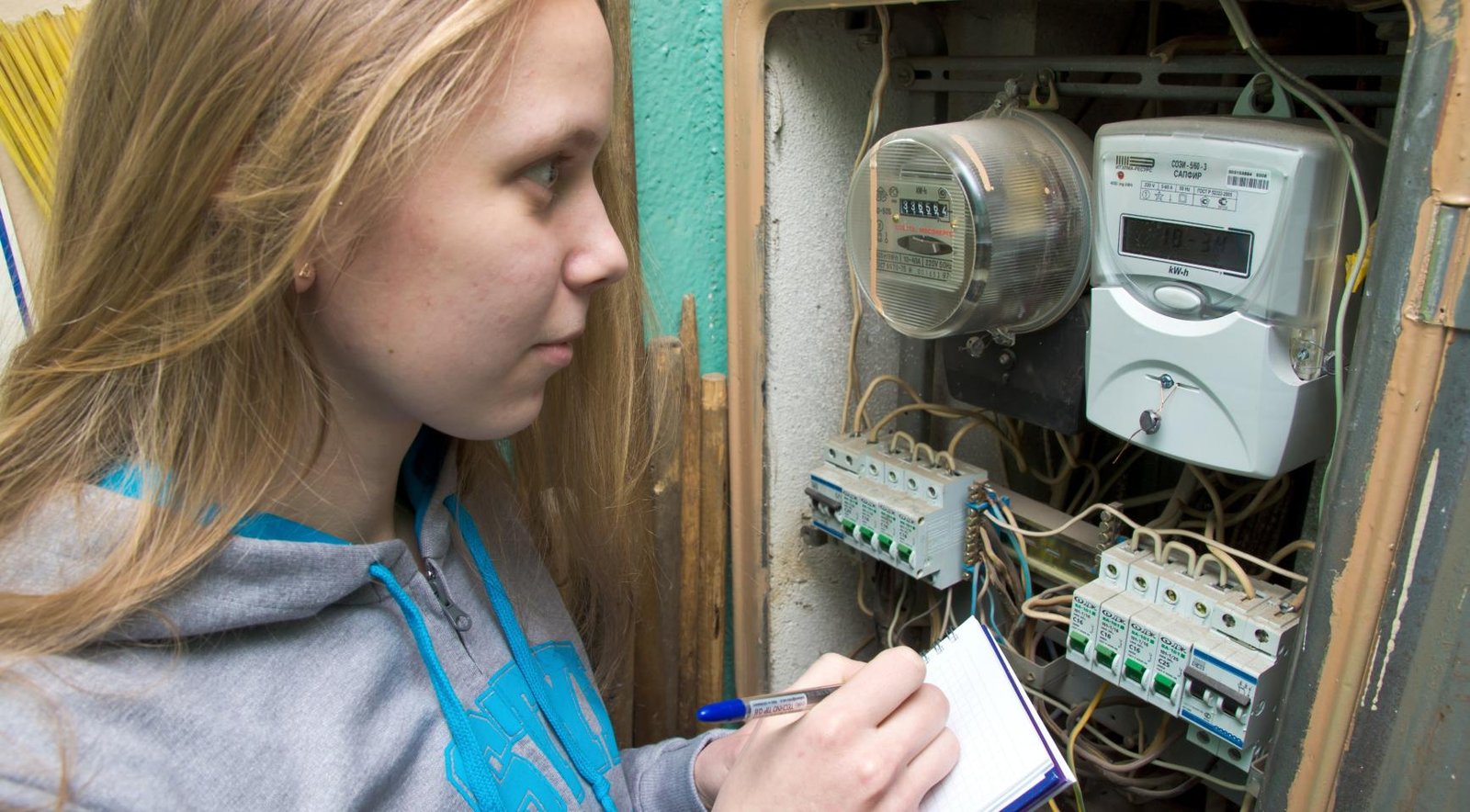
“I’m glad I came today,” electricians increasingly say when they open a customer’s group panel, according to Sjoerd van Gelder, electrical engineering specialist at Techniek Nederland. He hears the same from colleagues startled by what they find: “Multiple wires under one clamp that is not suitable for it, wires that are too thin, poor connections, or insulation that has melted away.” All of that can lead to a fire.
Additional problems reinforce one another. Group panels face heavier loads from chargers, heat pumps, solar panels, or home batteries. If these are not installed correctly, they can cause overload and overheating, Van Gelder says.
An electrician in Amsterdam known as “Dutch Electrician” wrote on LinkedIn: “Expansion upon expansion. Extra boxes added. Different brands mixed together. Technically you can often still get it working. But should you want that as an installer?” Last week he described “alarming DIY work” at a customer in Hoofddorp and posted video of it.
Henry Lootens of Fedet, the trade association for electrical-sector businesses, sees the same pattern: “everyone keeps adding more and more.” “The kitchen installer does his part, the solar-panel installer his, then the charger is added. There is often no one who takes charge of the overall picture and asks: is this meter cabinet actually still suitable for all those systems?”
Incidents are rising, according to KRADO. The knowledge center calculates yearly electricity accidents in homes for Netbeheer Nederland using newspapers, news websites, and data from other organizations. In 2021 it recorded 106 incidents in meter cabinets. Last year the number reached 176, or three accidents per week. Most involve fire.
KRADO links the increase to the energy transition. More electrical devices place heavier demands on the group panel. “This can lead to overload resulting in short circuit and fire,” says Walter Hulshorst.
Experts report a range of problems inside meter cabinets. These include burned-out terminal strips that often result from poor electrical connections, dirty panels where dust and dirt raise the chance of bad connections and add combustible material during overheating, and multiple conductors under one clamp with incorrect color coding, which Techniek Nederland calls an example of unskilled work.
Other problems include melted insulation and soot, with yellow discoloration on a conductor that may signal a poor connection or overheating; conductors of different thicknesses under one clamp, which is often not allowed and can create poor contacts; fire damage at a connection where a missing screw has left the joint burned from poor contact; and mismatched components from different brands that leave part of the copper busbar exposed.
The Netherlands Institute for Public Safety sees the same trend. “We do indeed see an increase,” says Professor Nils Rosmuller, lecturer in energy and transport safety. “The meter cabinet is being loaded more heavily and more frequently, resulting in a greater chance of short circuit and fire.” Many older installations were never designed for today’s electricity use in homes, he notes.
Techniek Nederland says the energy transition can be safe if a skilled installer assesses the entire electrical system.
Lootens describes common failures: incorrect phase distribution, chargers on cables that are too thin, groups placed so close that temperatures rise, or cabinets with poor ventilation. “In addition, I regularly see poor connections, for example breakers that are tightened too loosely or too tightly, or wiring that has not been stripped properly. On their own these may seem minor, but at high power levels they can indeed pose a risk.”
High power levels are a key issue. More devices now draw large amounts of current or send current back at the same time. Higher currents can flow through parts of the installation than those parts were designed to carry. “That was not taken into account in the past. That can become a problem,” Lootens says.
“An installation that once worked perfectly is not automatically suitable for the present situation,” Van Gelder adds. “That is why it is important to look not only at a new device but at the entire electrical installation.”
Many people use the meter cabinet as a storage cupboard. Installers find vacuum cleaners, cleaning products and roller skates inside. “This reduces ventilation, so the temperature inside the cabinet rises and the electrical installation becomes harder to reach in an incident,” Hulshorst says.
Interpolis advises against it: “All those extra items mean a fire can spread more quickly. Should an unexpected fault or short circuit occur, it is safer not to have to climb over vacuum cleaners or stacks of old paper.”
Lootens has a temperature sensor in his own meter cabinet that alarms if the temperature rises too high. Interpolis installed similar sensors for some customers and prevented several fires when the devices warned of excessive heat. “A good tip for preventing fire-prone situations: feel the meter cabinet yourself to see whether it is warm when you are using a lot of electricity,” an Interpolis spokesperson says. “If you do not trust it, call in a certified installer.”
Lootens suggests an occasional safety check of the meter cabinet, similar to a vehicle inspection. A house move is a logical time. “Then you can assess at once whether the meter cabinet is still suitable for all the equipment connected to it.”
There is no mandatory registration of meter-cabinet fires. House-fire figures show an increase: the fire service responded 6,836 times last year, up from 5,441 times in 2021. Short circuits cause a growing share of house fires, rising from 12.5 percent in 2021 to 13.8 percent last year, according to the Dutch Association of Insurers.
Interpolis sees the same pattern among its customers. “We expect this rise to continue in the coming years because consumers are becoming more sustainable and using ever more electrical devices.”