










IEA urges people to work from home, use less energy; Dutch gov’t not takig measures yet
The International Energy Agency (IEA) is urging governments, businesses, and citizens to take measures to decrease their energy consumption by working from home, switching to electric cooktops, and avoiding air travel, among other things. “The war in the Middle East is creating a major energy crisis, including the largest supply disruption in the history of the global oil market,” said IEA director Fatih Birol.
The Dutch government is considering various measures, but is not ready to implement anything yet, Prime Minister Rob Jetten said at his first European Union summit in Brussels on Thursday. “Prices at the pump are massively high,” Jetten said when asked about lowering excise duties on fuel, according to the Telegraaf. “I can imagine that many people on their way to work and SME entrepreneurs curse a bit when they have to pay.”
Jetten said that the government is monitoring the war and energy prices and considering how to respond. Acting too quickly could lead to the “wrong measures,” he said. “Then you end up with a situation where the very people who are hit hardest get nothing out of it.”
The IEA, the international authority on the global energy market, is stressing lower consumption. “The conflict has triggered the largest supply disruption in the history of the global oil market, with shipping through the Strait of Hormuz, which normally carries around 20% of global oil consumption, reduced to a trickle,” the IEA said. “Supply-side measures alone cannot fully offset the scale of the disruption. Addressing demand is a critical and immediate tool to reduce pressure on consumers by improving affordability and supporting energy security.”
The IEA identified ten measures that governments, businesses, and citizens can implement to reduce their energy consumption. The measures focus mostly on road transport, which accounts for 45 percent of global oil demand, but also covers aviation, cooking, and industry.
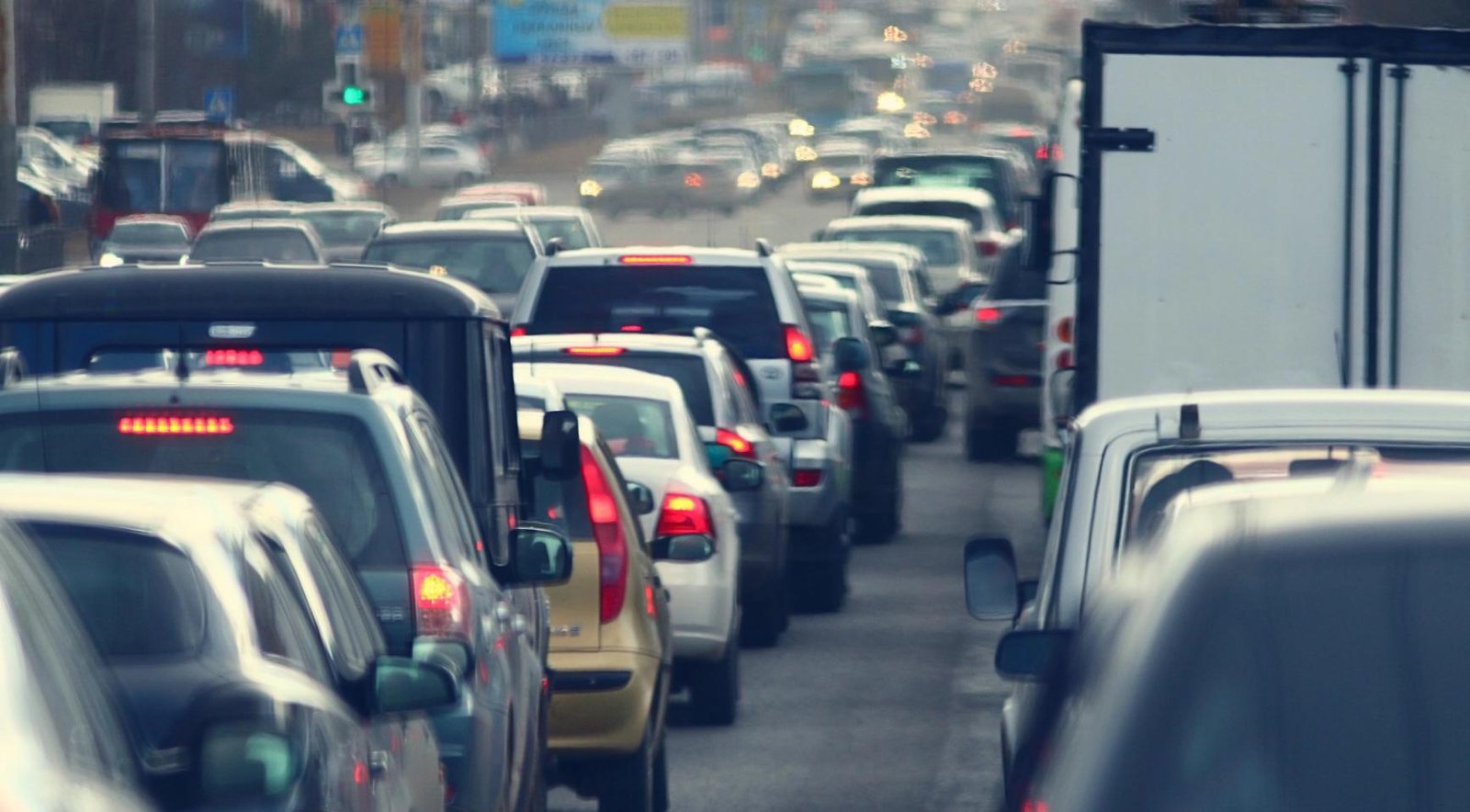
People should work from home as much as possible to reduce fuel consumption for commuting. Encouraging the use of public transport will have the same effect. Cutting highway speed limits by at least 10 kilometers per hour will reduce fuel use by passenger vehicles and freight transport. The IEA also suggests car sharing and alternating vehicle access in large cities, so that not all cars can be used at the same time.
Avoid air travel when alternatives exist. Switch to electric cooktops as much as possible, and reserve LPG use for households who are unable to do so. Industrial companies should also switch to LPG alternatives as much as possible.
“While the demand-side measures highlighted in the report cannot match the scale of disrupted supply, they can play a meaningful role in lowering costs for consumers, reducing market strains and preserving fuels for essential uses until normal flows resume,” the IEA said. According to the authority, many of these measures were successfully implemented during the 2022 energy crisis.