









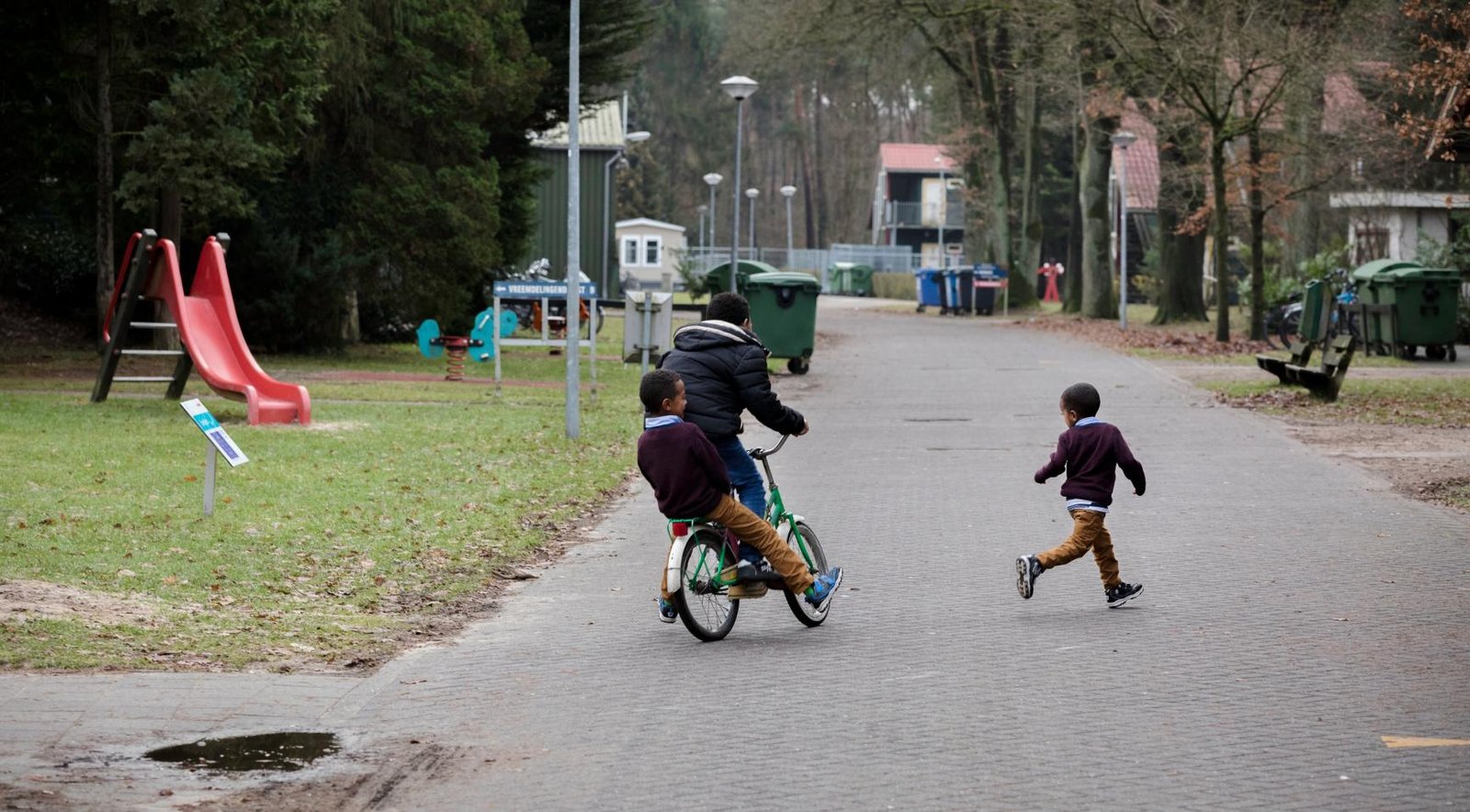


Kids in Dutch asylum shelters to have no access to youth healthcare for 8 months
Between October 1, 2026, and June 1, 2027, the around 20,000 children staying in asylum shelters in the Netherlands will have no guaranteed access to youth healthcare. This includes things like vaccinations, hearing screening, and development monitoring, NRC reports.
Pediatricians and youth nurses from contractor GGD GHOR will stop providing this care on June 1. The commercial healthcare chain Arts en Zorg will only take over youth health care for children aged 0 to 17 in asylum shelters on June 1 next year.
Petra de Jong, chair of the Association of Pediatricians (AJN), calls it “unacceptable’ that basic preventive care for such a vulnerable group of children is suddenly uncertain. She finds it “incomprehensible” that these children fall under a different regime than the other 3.3 million children in the Netherlands. This will cause a “fragmentation of collective and preventive youth healthcare,” she told NRC.
Preventive care only works if all children have access to it. In the Netherlands, children between newborn and 14 years of age receive a heel prick, neonatal hearing screening, and vaccinations against various infectious diseases like measles and rubella. Pediatricians also continually monitor growing children’s development by regularly weighing and measuring them, and speaking with them and their parents.
For the past two decades, pediatricians and pediatric nurses spread over 34 municipal youth health organizations have provided this preventive care in asylum shelters. However, according to European regulations, the asylum agency COA must provide this healthcare for children in asylum shelters. In April, a division of Arts en Zorg, Gezondheidszorg Asielzoekers (GZA), won the tender.
But they’ll only start eight months after GGD GHOR Nederland will stop offering this care. The umbrella organization for municipal healthcare organizations told Medisch Contact that, starting in October, it would be unable to guarantee preventive care for children in asylum shelters “given the tight labor market.”
NRC asked the Central Agency for the Reception of Asylum Seekers (COA) about this large gap in preventive care. A spokesperson said the COA was consulting with Arts en Zorg to see if they can start sooner, and the agency is fully confident that “a solution will be found.”
AJN chairperson De Jong is less confident, citing the shortage of youth doctors and nurses – the same tight labor market that makes it impossible for the GGD GHOR Nederland to continue providing this care past October.
Several parliamentarians submitted questions about this long transitional period to Asylum Minister Bart van den Brink (CDA) and Health Ministers Mirjam Sterk (CDA) and Sophie Hermans (VVD) in May. According to NRC, these questions remain unanswered.