








Older adults living at home face rising heat-related health risks as oversight declines
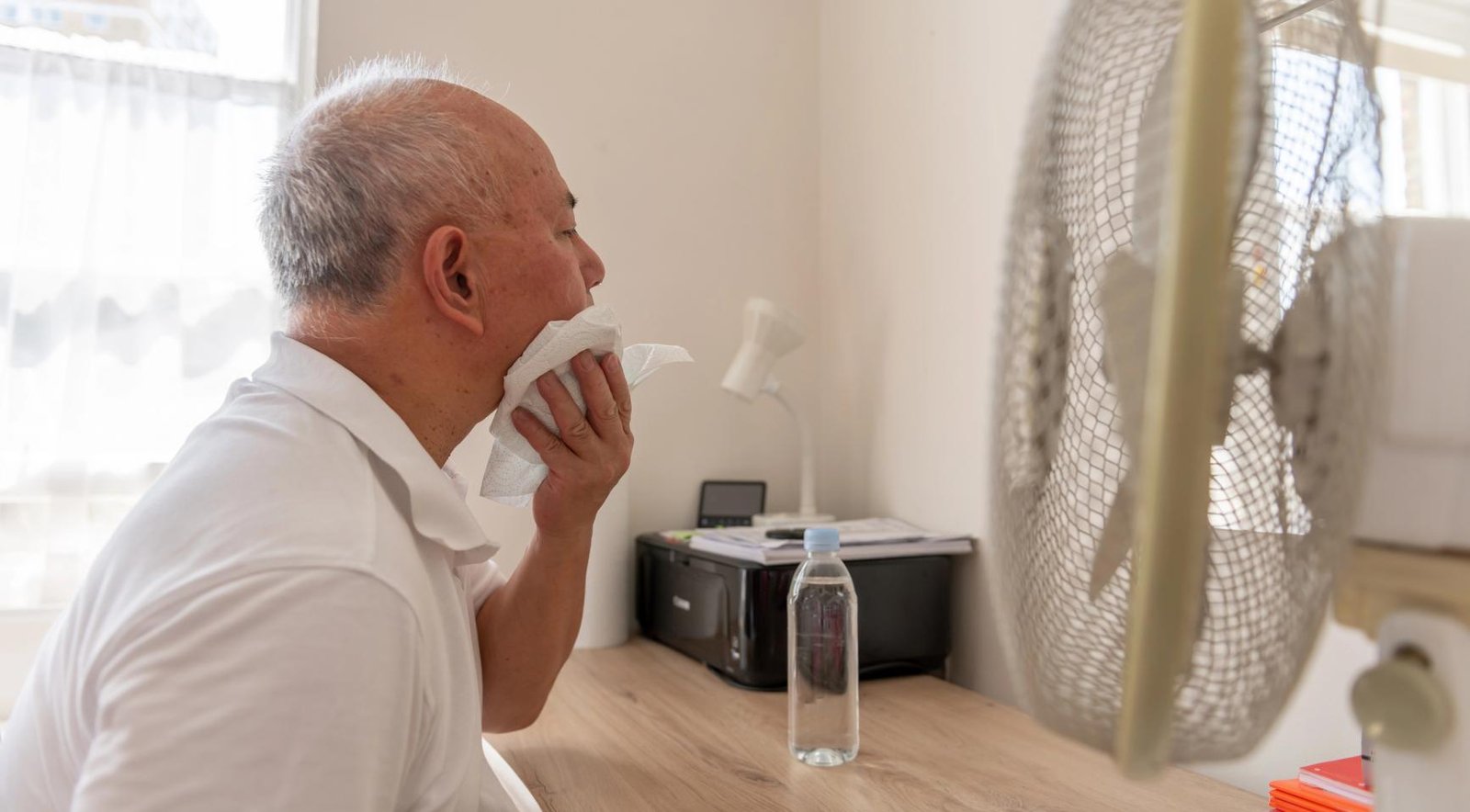
Vulnerable elderly people living at home are facing increased risks during extreme heat, as health care organizations and geriatric experts warn that many older residents lack the support and oversight available in nursing homes. The concerns come as more people are encouraged to live independently for longer and fewer nursing and care homes remain available.
This week, temperatures are again expected to hit 30 degrees Celsius and higher in many parts of the country. The southeast is expected to go through a third heatwave this season.
During hot summer days, elderly people living alone can quickly struggle because there is limited visibility into their condition, experts told RTL. “If you live in a nursing home, with air conditioning and care workers nearby, that is very different from sitting alone in a hot home,” one expert said.
Valerie Schipper, a district nurse and chair of the district nursing division of the professional association of nurses and caregivers V&VN, said some vulnerable older people are unable to take basic precautions during heat waves.
“Keeping your windows and curtains closed and drinking enough water; for many people, these actions are obvious when outdoor temperatures soar,” Schipper said. “But that does not apply to all vulnerable elderly people. They do not think about it or are simply unable to do it.”
Schipper said she and her colleagues recently worked in extremely hot homes where residents were struggling with the heat. Elderly people are particularly vulnerable because their bodies cool down less effectively, she said.
“Older people sweat less, which means their bodies cool down more slowly,” Schipper said.
She also warned that some medications, including those used to increase urination, can contribute to dehydration if they are not adjusted in consultation with a general practitioner. “Unfortunately, not everyone knows that,” she said.
Rhona Hoven of the professional association of elderly care physicians Verenso said she shares Schipper’s concerns and described heat as an increasing threat as more elderly people remain at home.
“Because more people are living at home for longer, heat is a growing risk,” Hoven said. “This is a political choice that simply does not work out well for everyone; that is the honest story. For vulnerable people with early dementia or other health problems, there is more supervision in a nursing home.”
The number of elderly people living independently has increased as policy has encouraged longer stays at home, while the number of nursing and residential care homes has declined. Experts say this has left some vulnerable older people with less protection during periods of extreme heat.