










Only 1 in 4 Dutch children cycle to school daily, researchers say
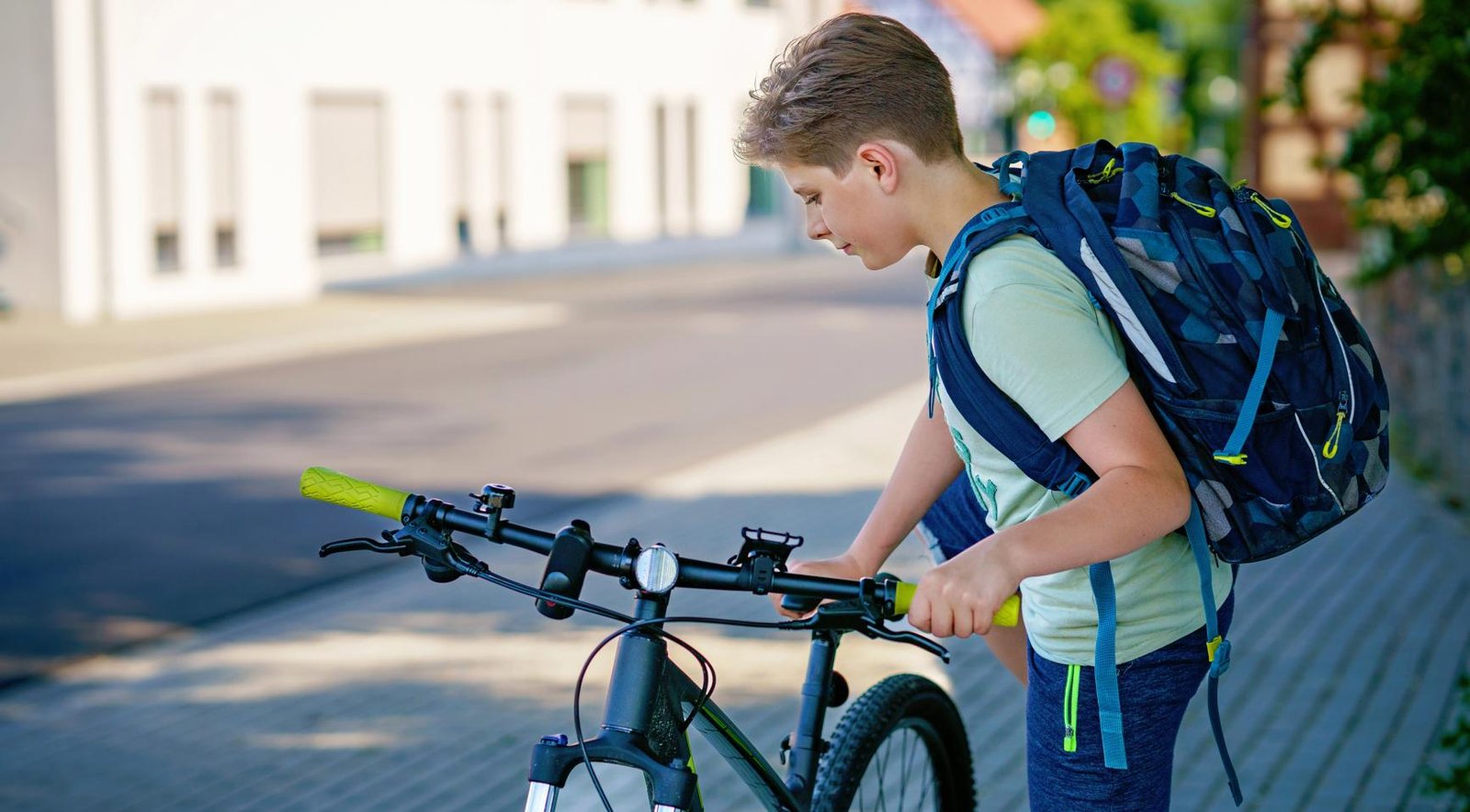
Only 56 percent of children in the Netherlands get to school by active means such as cycling or walking, according to new research by the Mulier Instituut.
The figures only included children who can cycle. About three-quarters of preschool-aged children can ride a bicycle, rising to 99 percent among 11-year-olds. Researchers said the survey results were weighted to better reflect the Dutch population.
Researcher Dagmar Derikx called the findings “quite shocking,” noting that most children in the Netherlands live close to their schools.
“Cycling is an easy way to get daily exercise,” Derikx told Trouw. “If you automate cycling at a young age, you can also cycle independently better later in life. You no longer have to think about actions like pedaling and steering, allowing you to pay closer attention to traffic. Moreover, it gives children autonomy, for example, when they reach an age where they can cycle to friends by themselves.”
The institute said it remains unclear whether the number of children cycling to school is increasing or declining. Earlier research based on 2019 data, using a slightly different methodology, produced broadly similar results.
Researchers commissioned the new study because of the growing presence of new electric two-wheelers on Dutch cycling paths.
While some may assume that parents now view traffic as more dangerous and therefore allow children to cycle less often, the study found no evidence to support that conclusion. None of the children surveyed traveled to school on fatbikes, while 10 children used electric bicycles.
Derikx said the youngest children constitute a large share of the group that never cycles to school independently. Although they may know how to ride a bicycle, parents do not always consider it safe enough. The non-cycling group also includes children who are transported to special education schools by van services.
The research found that children are more likely to cycle to school when parents encourage it and when their classmates also cycle.
Schools that actively promote cycling also increase participation. Limited parking near schools was also identified as beneficial for cycling.
“Our research mainly shows that all the factors are interconnected,” Derikx said. “If a child can cycle, that does not necessarily mean there are enough crossing points. And if those do exist, it is not always the case that the social environment encourages cycling.”
The findings come amid broader concerns about road safety near Dutch schools. In 2025, the Fietsersbond said more than 36,000 children cycle daily on roads near primary schools where cars are allowed to drive up to 50 kph without separated bicycle paths. The group called for mandatory 30-kph school zones nationwide.