









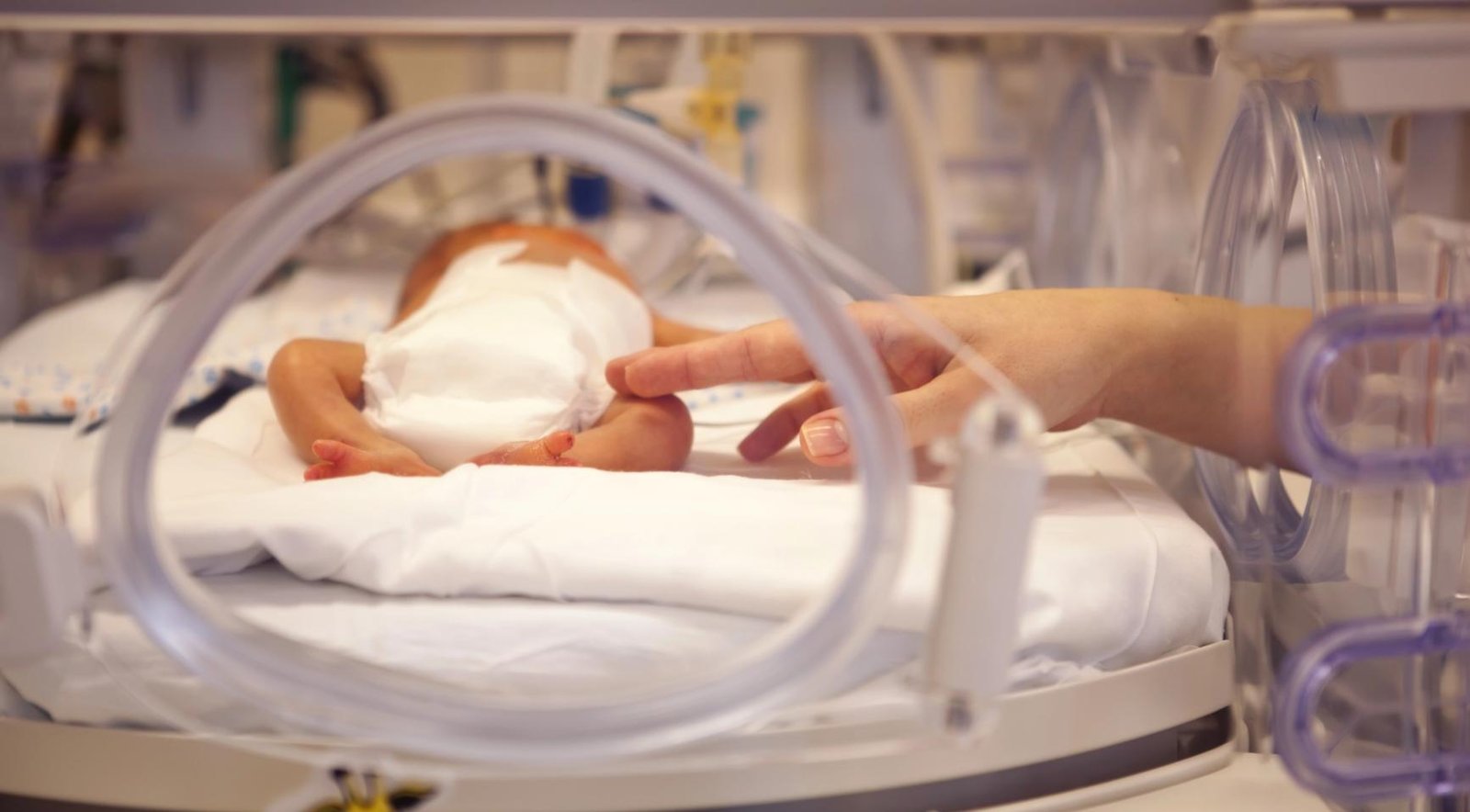


Premature births have a high risk of causing PTSS in mothers and fathers
At least 33 percent of mothers and 17 percent of fathers of very premature babies struggle with such severe psychological problems that they may be suffering from post-traumatic stress symptoms (PTSS). This is evident from a nationwide study by the Amsterdam UMC, Erasmus MC, and UMC Utrecht. The researchers advocate for making mental healthcare for parents a regular part of maternity care when a child is born prematurely, NOS reports.
Premature birth is always a harrowing experience. When a child is born before 29 weeks of gestation, they always require life-saving care in the neonatal intensive care unit (NICU). These babies also regularly need stressful procedures, such as surgery, to save their lives.
“Parents often experience immense powerlessness at the time,” Lotte Havermans, researcher and professor at Amsterdam UMC, told NOS. “They have to watch as invasive procedures are performed on their newborn child, and this is undeniably a shocking experience.”
This is the first study into the consequences of the traumatic experience of a premature birth in the Netherlands. All Dutch NICUs participated in the study. The researchers followed 446 very premature babies, and the parents from 217 families completed questionnaires regarding their mental well-being shortly after the birth, one month later, and around the original due date.
The researchers found that a significant number of parents suffer from PTSS. They describe flashbacks, negative feelings, avoidance, heightened tension, and persistent anxiety. Anyone can develop PTSS, but some factors increase the risk, the study showed. This includes previous traumatic experiences, mental health issues, and high levels of stress during pregnancy.
“We know that parents’ mental health problems can have a negative impact on children’s development, while premature babies in particular often experience problems in various areas, for example, regarding social-emotional development,” Haverman said. Trauma can also put pressure on parent-child interaction. “And that is crucial for a child to grow up healthy.”
The researchers therefore advocate for making mental healthcare a standard part of maternity care in the event of a premature birth. “Until now, the child has been the focus, and that is logical because the goal is to keep the child alive and as medically healthy as possible,” Haverman said. “But the child’s long-term well-being begins with their parents, so we must also organize their care properly if they need it.”
NOS spoke to a mother whose son was born at 27 weeks 14 years ago. He suffered hemorrhages in his brain ventricles and had epileptic seizures. He needed brain surgery at barely four weeks old. “I only have to hear the beeps of a heart monitor or smell the hand sanitizer in the hospital, and I’m right back in the pediatric ICU,” she told NOS. “I think we thought he was going to die at least once every 10 seconds.”
Their first child, a daughter, was also born prematurely and died after a perforated bowel and brain hemorrhage. Fortunately, her son survived and is now a healthy 14-year-old. “But the fear that something terrible would happen to him, even with just a common cold, was extreme in the beginning. It’s much less now, but the fear has never completely gone away.”