










Radboudumc gives first-ever experimental T-cell therapy to pancreatic cancer patient
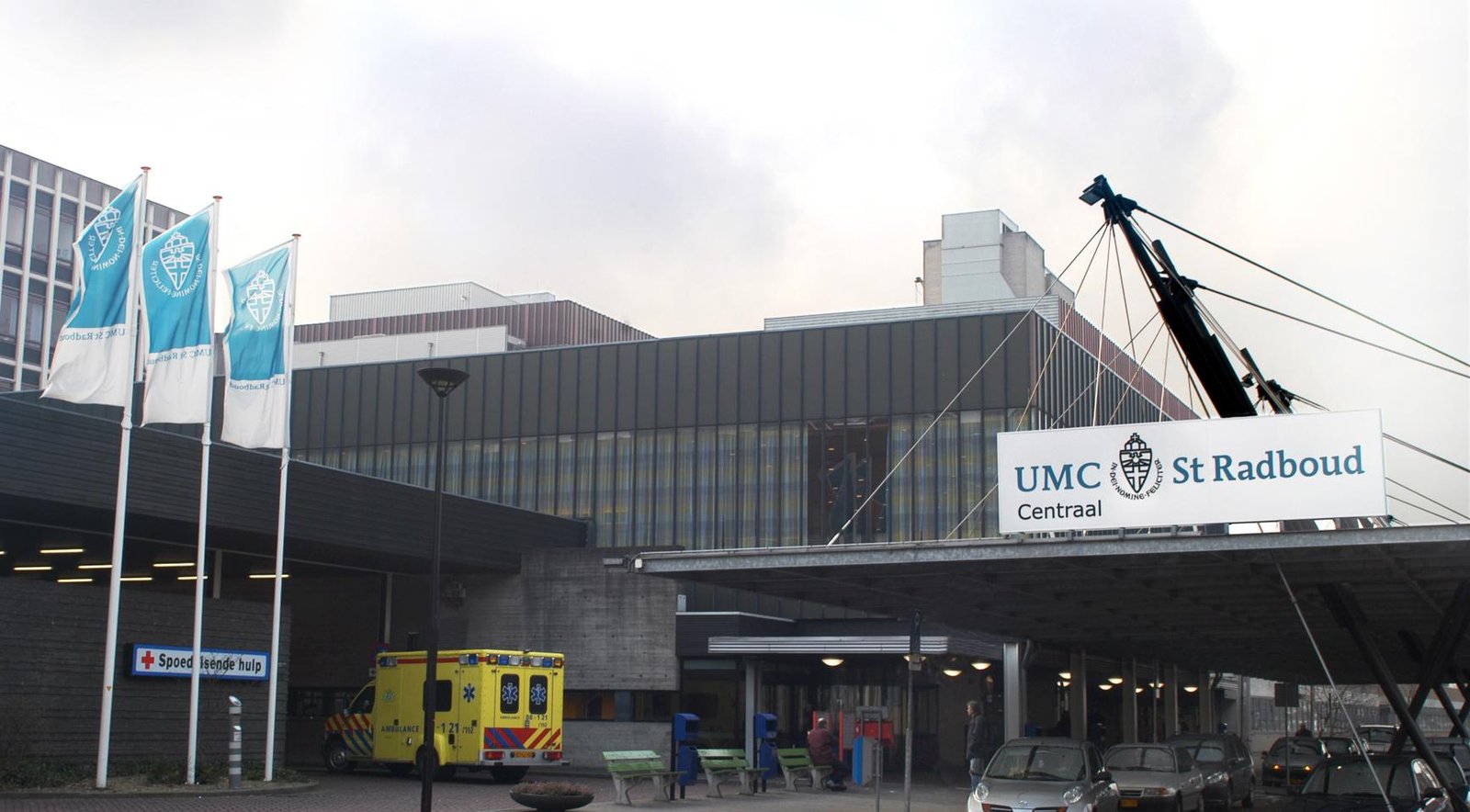
For the first time in the world, Radboudumc has treated a patient with pancreatic cancer using a new experimental immunotherapy that genetically modifies the patient’s own immune cells to recognize and destroy cancer cells, the hospital announced.
The therapy uses T-cells, a type of white blood cell that plays a key role in the immune system. Doctors extract the cells from the patient’s blood using a specialized filtration procedure, then modify them in a laboratory by adding an extra receptor that can recognize a specific change in tumor cells. The modified cells are infused back into the patient, where they target and attack the cancer, AD reports.
“It is a very innovative treatment,” Carla van Herpen, professor of rare cancers and medical oncologist at Radboudumc, told AD. “With pancreatic cancer, the prospects are often poor, and the treatment options are limited. That is why it is especially important with this disease to try to achieve new breakthroughs.”
The approach is similar to CAR-T cell therapy, which is already used successfully for some blood cancers. But solid tumors, such as those in pancreatic cancer, are far more complex because the tumor cells can differ greatly from one another and do not always carry the same recognition point for the immune system.
“The cells receive an extra receptor that can recognize a specific change in the tumor cells,” said hematologist and researcher Suzanne van Dorp. “This allows them to very specifically detect and attack the cancer cells.”
Van Dorp added, “That makes it harder to create a treatment that addresses all the cancer cells. But if it succeeds in finding the right targets, this form of therapy can have a lot of potential.”
The treatment is being tested in a phase-1 study that focuses primarily on safety and the correct dosage. The study is taking place at only a small number of hospitals worldwide, including Radboudumc and Amsterdam UMC. The first patient in the world to receive the therapy was at Radboudumc in Nijmegen. The patient is doing well so far.
Co-researcher Ingrid Desar, an internist-oncologist and professor of innovative sarcoma care, credited the hospital’s specialized phase-1 unit, which tests experimental cancer treatments. The unit currently has 22 early clinical studies on new drugs underway.
Van Herpen said such studies demand intensive teamwork. “This kind of study is very intensive and requires a lot of collaboration,” she told AD. “We have a large team of researchers, nurses, data specialists, and laboratory technicians who make this possible.” That collaboration allows the hospital to move quickly when a new treatment becomes available for testing.
Not every patient with pancreatic cancer qualifies. The therapy works only for tumors with specific genetic characteristics and only if the patient has T-cells that are suitable for modification. Candidates undergo extensive screening. Those accepted first receive chemotherapy, followed by the modified T-cells. Participants may experience side effects, including high fever.
If the therapy works well, the cancer cells could disappear completely from the body, or the tumors could shrink enough to allow surgery to remove the remaining tissue. Either outcome would increase the patient’s chance of longer survival.
The research is still in its early stages, the scientists cautioned. Results for the first patient are not expected for several months at the earliest. The researchers said it could take up to 10 years for such a treatment to become standard therapy.
“We cannot say yet that this is a breakthrough,” van Herpen told the newspaper. “But these kinds of studies do offer chances for patients and help us to develop new treatments.”