









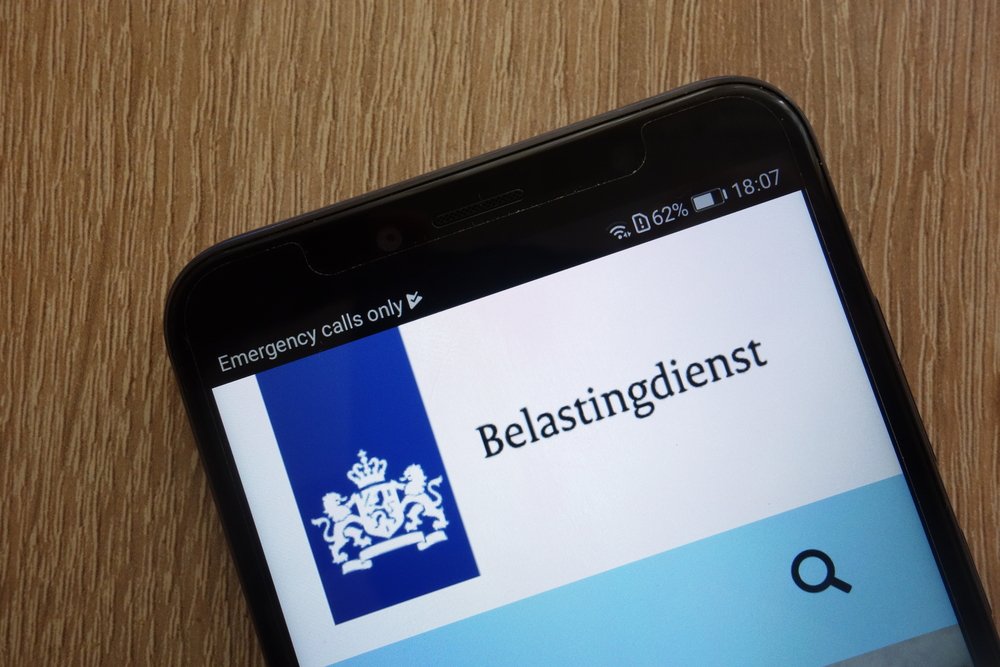

The company that manages the Dutch government’s online services portal DigiD has appealed against the cabinet’s decision to block its sale to a US-based cloud company on public interest grounds.
Willemijn Aerdts, junior minister for digital sovereignty, barred the €100 million takeover of Solvinity by Kyndryl last month after the BTI, the agency that vets cross-border investments, was asked to assess the risk to national security.
Solvinity said in an email to the NRC newspaper that it took the government’s concerns seriously, but it wanted “clarity” about the legal reasons for the unprecedented step.
“Only with that clarity can we consider what steps to take, together with the government, to ensure the best possible outcome for Solvinity,” the company said. An injunction hearing has been set for July 6 in Rotterdam.
The exact reasons for the decision were not publicly disclosed because the BTI’s report is confidential, but Aerdts and officials from the economic affairs ministry gave MPs a briefing behind closed doors last week.
Privacy concerns
Technology experts warned that the takeover would bring Dutch residents’ private data within the domain of the Cloud Act, which allows US authorities to force American-owned companies to hand over data they store, even if the servers are in Europe.
Solvinity said it only regulated access to secure government websites such as Mijn Overheid and the tax office, as well as health insurers and pension providers, and did not store data held by those organisations.
US ambassador Joe Popolo criticised the decision, claiming the cabinet had acted “without time for a full evaluation”. Popolo also suggested the ban could be seen as a “non-tariff barrier”, a category that president Donald Trump has used in the past to justify retaliatory tariffs against US allies.
The appeal was filed by Solvinity and Host Lux S., which represents the company’s majority shareholders, the British venture capitalist firm Vitruvian Partners. Vitruvian signed the deal to sell Solvinity to Kyndryl last November.
Three Amsterdam-based privacy organisations who filed earlier lawsuits in connection with the sale have been invited by the court to make submissions. They are Firewall, Human Rights in Finance (EU) and Privacy First.