







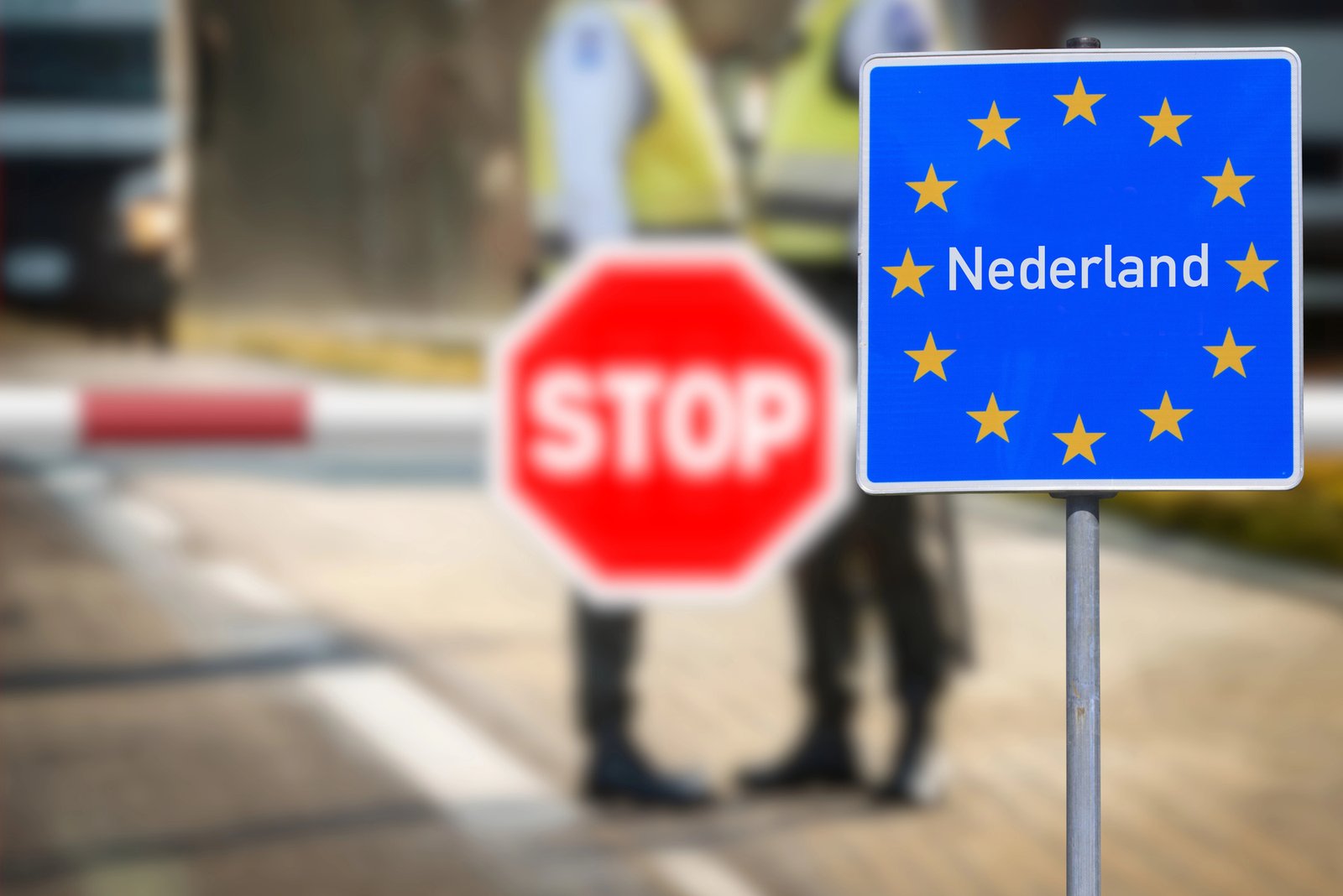

Fewer than 700 people were turned away at the Dutch border in 21 months of extra border controls that were introduced as part of the “strictest asylum policy ever”.
Border police stopped 43,210 vehicles and checked 182,700 people crossing land borders into Belgium and Germany after the last government reintroduced border controls in December 2024.
A total of 650 people were refused entry while trying to cross the border by road during the period until the checks, introduced by former asylum minister Marjolein Faber of the far-right PVV party, ended in September.
Police arrested 300 people, of whom 40 were suspected of involvement in human trafficking. The government also said 140 people claimed asylum after being stopped at the border.
Some 70% of people stopped at the land borders were EU citizens, asylum minister Bart van den Brink said in a letter to parliament. Border police also checked 398,000 people travelling on flights within the Schengen zone, 85% of whom had EU passports.
Van den Brink said the checks were stepped up to deal with the “significant impact of the continued influx of irregular migration”.
According to Frontex figures, the number of irregular border crossings is down by 26% since 2024. In the same period there has been a 25% drop in first-time asylum applications in the Netherlands.
Schengen zone rules allow member states to reinstate border checks as a temporary measure if there is a threat to security or public order, but they must keep the EU updated on progress.