








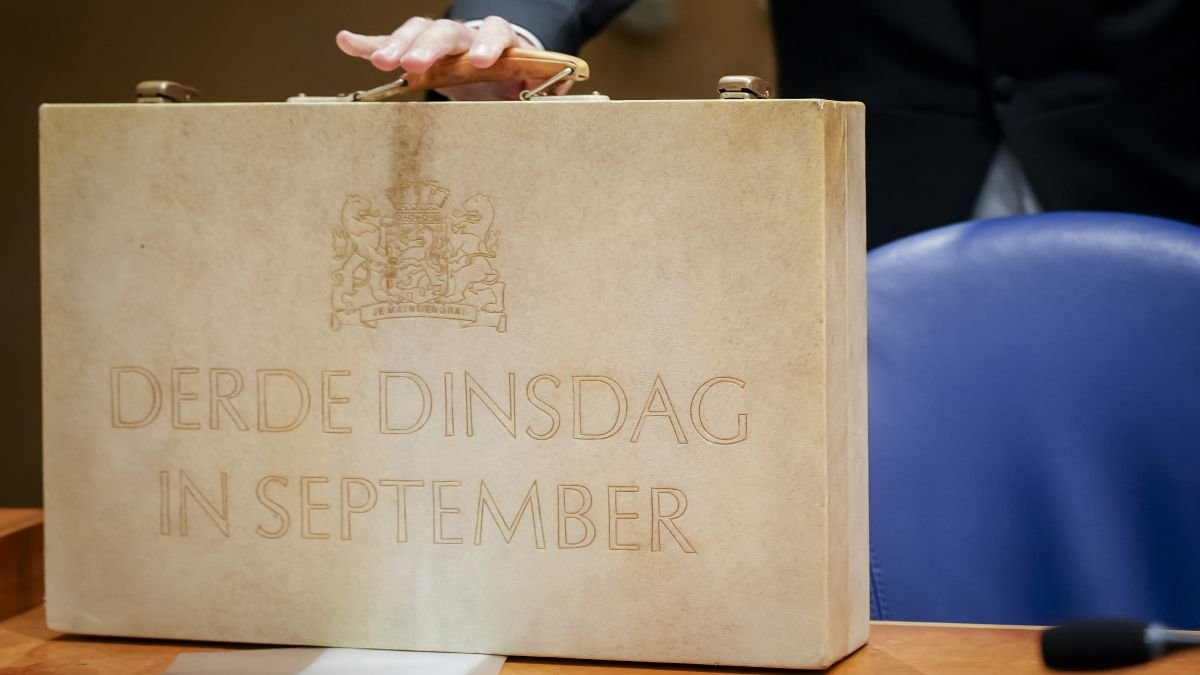

The minority Dutch government published its 2027 budget on Tuesday, outlining the latest economic forecasts and its plans for the coming year. Here are the highlights:
Government and local government finances
- Inflation will average 2.7% in 2027.
- Wages will rise by an average of 3.8%.
- Economic growth will remain in line with earlier projections at 1.2%, without major upsets.
- The budget deficit will rise to 2.7%, well below the EU maximum of 3%.
- The government plans to cut €400 million from spending on its own operations, with the aim of a structural reduction of €1 billion from 2030.
- The local authorities fund will rise marginally to just under €50 billion, or €2,741 per resident.
Taxes
- Spending power will fall marginally for all but pensioners and low-income households.
- Plans to reform the Box 3 asset tax system are due in spring 2027.
- Income tax in the first tax band (up to €39.20) will hit 36.23%, up from 35.75% now.
- The income tax rate in the second tax band (up to €78,400) will rise from 37.56% to 38.16%
- The arbeidskorting – a tax break for people in work – will rise slightly.
- Employers will no longer be able to give workers a 20% discount tax free on the company’s own products.
- The startersaftrek – a discount for the newly self-employed – will be cut to a nominal €10 in 2027 and scrapped altogether in 2028.
- Untaxed travel expenses will rise to 25 cents per kilometre and has been backdated to the start of 2026.
- BTW on plants, flowers and trips by balloon will rise from 9% to 21%.
- Excise duty on alcohol will rise in line with inflation.
Defence and foreign affairs
- €600 million extra will go to defence in 2027, taking the total to almost €29 billion, including €3.1 billion in military support for Ukraine.
- €35 million will be spent on Dutch diplomatic missions abroad, partly offsetting cuts imposed by the last government. The consulate in Antwerp will remain open.
- The development aid budget will rise by €400 million a year for the next three years, on top of the extra money agreed in June to win senate support and the partial reversal of the Schoof cabinet’s €2.4 billion cuts.
- The Netherlands will not hit the OECD target of 0.7% of GDP on aid spending.
Benefits
- Cuts to slash the period for claiming unemployment benefit from two to one year have been delayed until 2029.
- A planned faster increase in the state pension age will not go ahead.
- A lower maximum for payouts to pregnant women and people on invalidity benefit will not go ahead.
- As announced earlier, low income households faced with mounting energy bills will be able to request help from a special energy fund
Healthcare
- The health insurance own risk payment will rise from €385 to €400 in line with inflation.
- €100 million is being allocated to ensure 60 to 69-year-olds can be vaccinated against shingles. The over 70s must pick up the bill themselves.
- The government expects health insurance premiums will rise by €12.50 a month – although health insurance companies decide their own rates.
Housing and infrastructure
- The housing ministry budget will top €7 billion next year.
- Of this, €940 million will be allocated to boost major residential developments in terms of facilities and green spaces.
- €630 million will go to specialised housing for the elderly.
- From 2028, people who earn too much to live in rent-controlled homes will face bigger rent increases. The check will also include a look at individual assets.
- Housing corporations will get a €425 million tax cut, allowing them to borrow an extra €6 billion to build social housing.
- Private investors will be able to claim up to €10,000 for every mid-market rental home they build, from a budget of €500 million running from 2029 to 2033.
- €1.5 billion has been allocated for road and bridge repairs until 2035.
- €300 million will be invested annually in improving transport links to new residential developments, beginning in 2030.
Education and research
- Education will get €668 million extra, largely reversing cuts to higher education imposed by the previous government.
- There will be more investment in trade schools and in scientific research.
- Funding is being set aside for the development of a national super computer and an Einstein telescope R&D centre.
- The basic grant for students living away from home will rise by €50 from 2028.
- €346 million will go to additional training for teachers from 2028.
- More money will be allocated to help people shift into teaching from other professions.
- €23 million is being allocated to provide free fruit in schools that request it.
- The government will introduce a “sport pass” for 12 to 23-year-olds of €100 to €300 to be invested in sports.
Climate
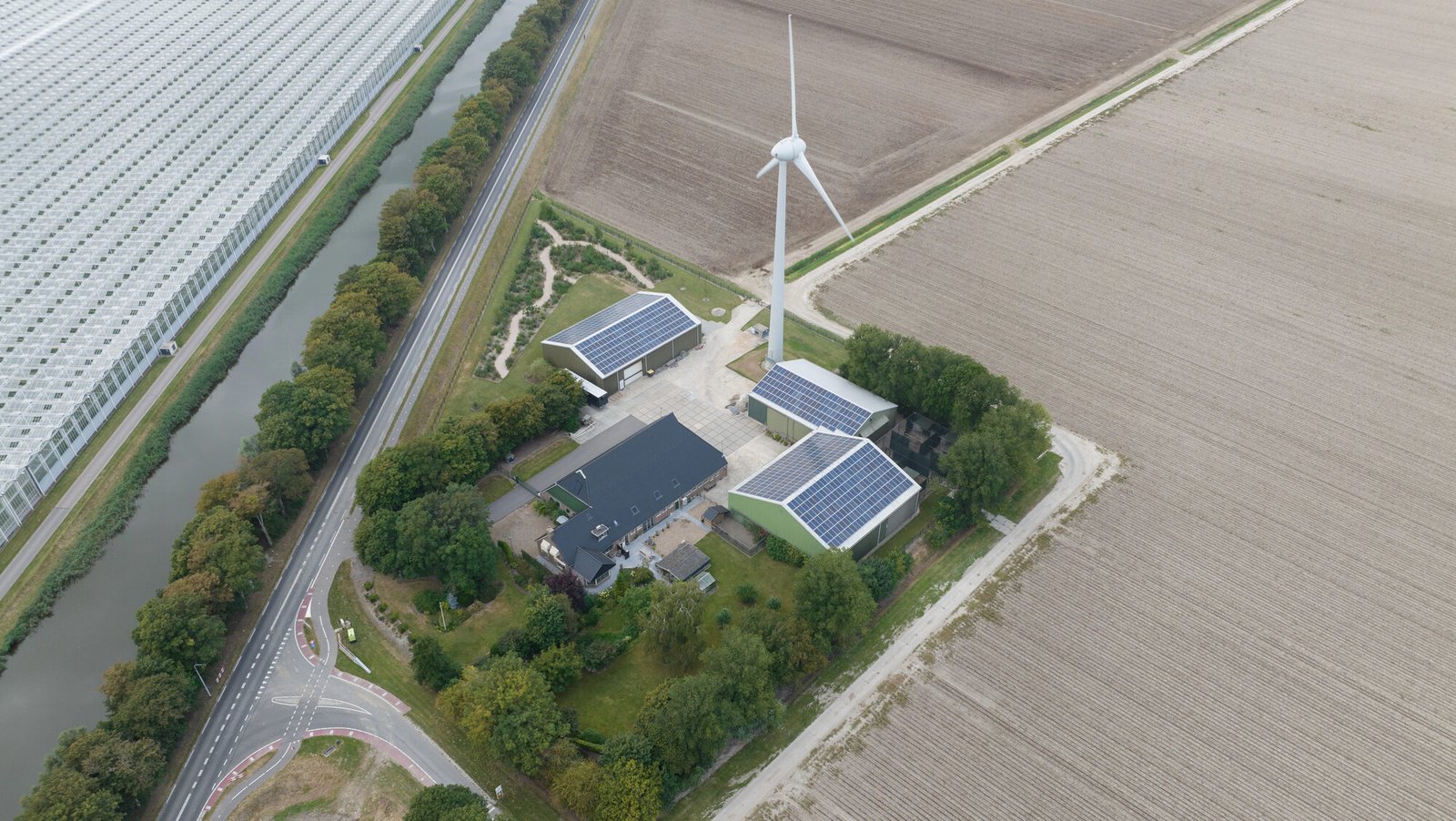
- Money will be allocated to help farmers who want to invest in making their businesses more sustainable and climate-friendly.
- €1.3 billion is being allocated to store carbon dioxide in empty gas fields under the North Sea.
- New measures to combat climate change will be announced in 2027.
Asylum and migration
- The government says spending on refugees will reach €8 billion this year but go down to €5 billion by 2031 because of EU and other measures.
- Local authorities which have not set up their own permanent refugee centres will be placed on a blacklist.
- €22 million will be invested in setting up refugee centres outside the EU in 2027.
- More money will be put into dealing with refugees who commit crimes and in secure accommodation for them.
Travel and transport
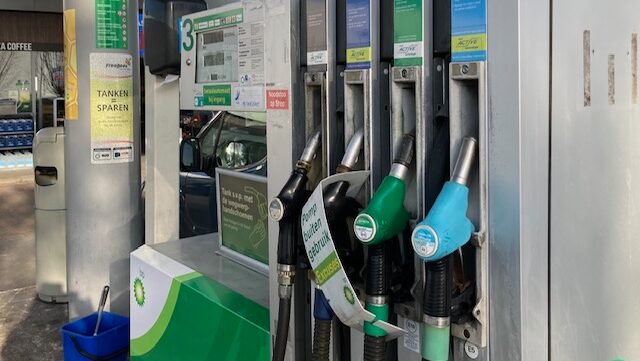
- A 10 cent reduction in the price of diesel will be phased out from 2028 not 2027.
- Tax on long-distance flights is being set at €59 instead of €74 to ensure Schiphol is not more expensive than German airports.
Royals
- Spending on staff etc. will rise from €60.8 million to €62.1 million in 2027.
- The king, queen and princess Amalia will have combined income of €2.7 million this year, but Amalia will not claim hers while she is studying.
- The royals’ income rises in line with civil servant pay, which is 0.3% this year.
This article will be updated as more information becomes available.