










Exhaustion from work has been on the rise in the Netherlands for the past decade, with 21% of people saying they feel mentally fatigued at least a few times per month, according to new research by national statistics office CBS and research institute TNO. In 2015, the figure was 13%.
The findings are drawn from an annual national survey of around 57,000 people aged 15 to 74, excluding self employed. Mental fatigue was defined as feeling mentally exhausted several times per month at least, for example feeling emotionally drained or empty at the end of the day.
Women are more affected than men, the survey showed. In 2025, 24% of female employees reported fatigue, up from 14% a decade earlier. Among men, the figure rose from 13% to 18%.
Younger people are the most affected, with the 25-34 year-old age group showing the biggest rise. In 2015, 15% reported fatigue and in 2025 the number had risen to 28%. In 2023, TNO found that one in four workers aged 18 to 34 had burnout complaints.
The more complex the job, the higher the chance of mental fatigue. People in the most complex jobs, which involve highly specialised tasks and usually require a higher level of education, had a fatigue rate of 23%, compared with 18% in the least complex jobs.
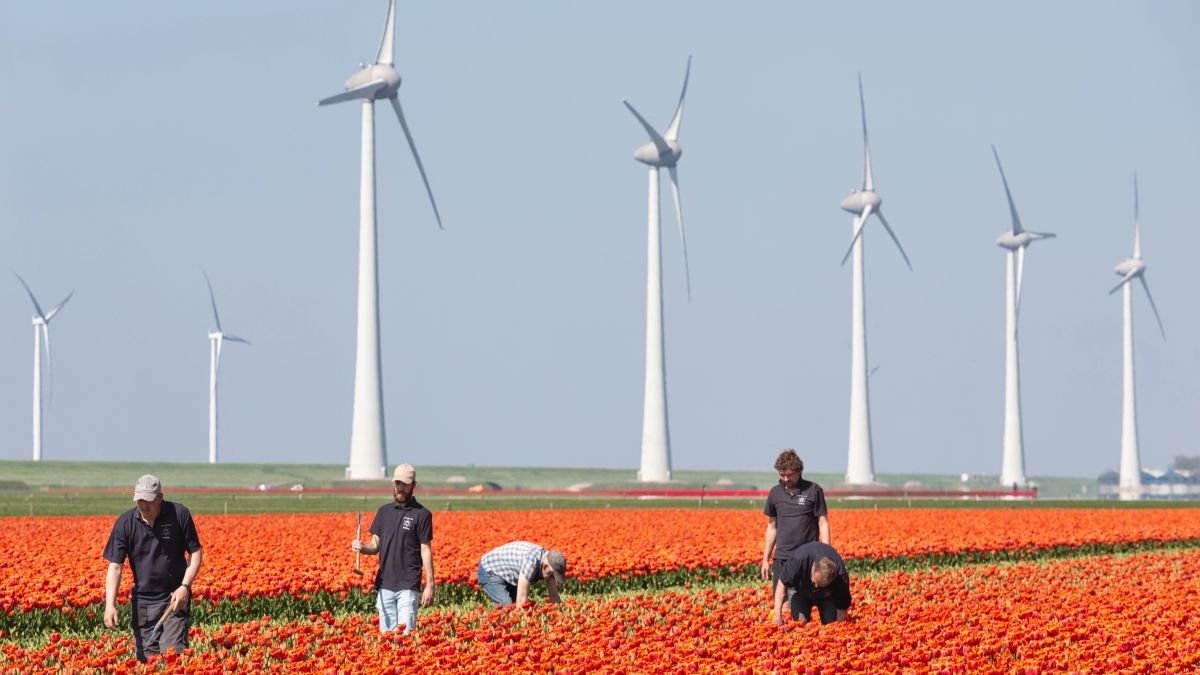
Psychologists and sociologists reported the highest rate of fatigue, at 37%. The least exhausted were those working in agriculture, at only 12%.
Psychological complaints, stress and burnout were the reason for 9% of employees’ most recent sick leave, second only to flu and colds (55%). They also kept people off work the longest, at an average of 67 days, compared with 15 days for sick leave overall.
Burnout was also the most commonly reported occupational illness, with 1.9% of workers saying a doctor had diagnosed them with burnout or work-related stress. In July 2025, psychiatrists and occupational health experts called for a rethink of burnout diagnosis in the Netherlands, after Sweden dropped the term.
Two months later, the government’s health advisory council RVS warned of a “hypernervous society”, estimating the cost of mental health problems at €18 billion a year.