









Quarter of dentists in the Netherlands came from abroad
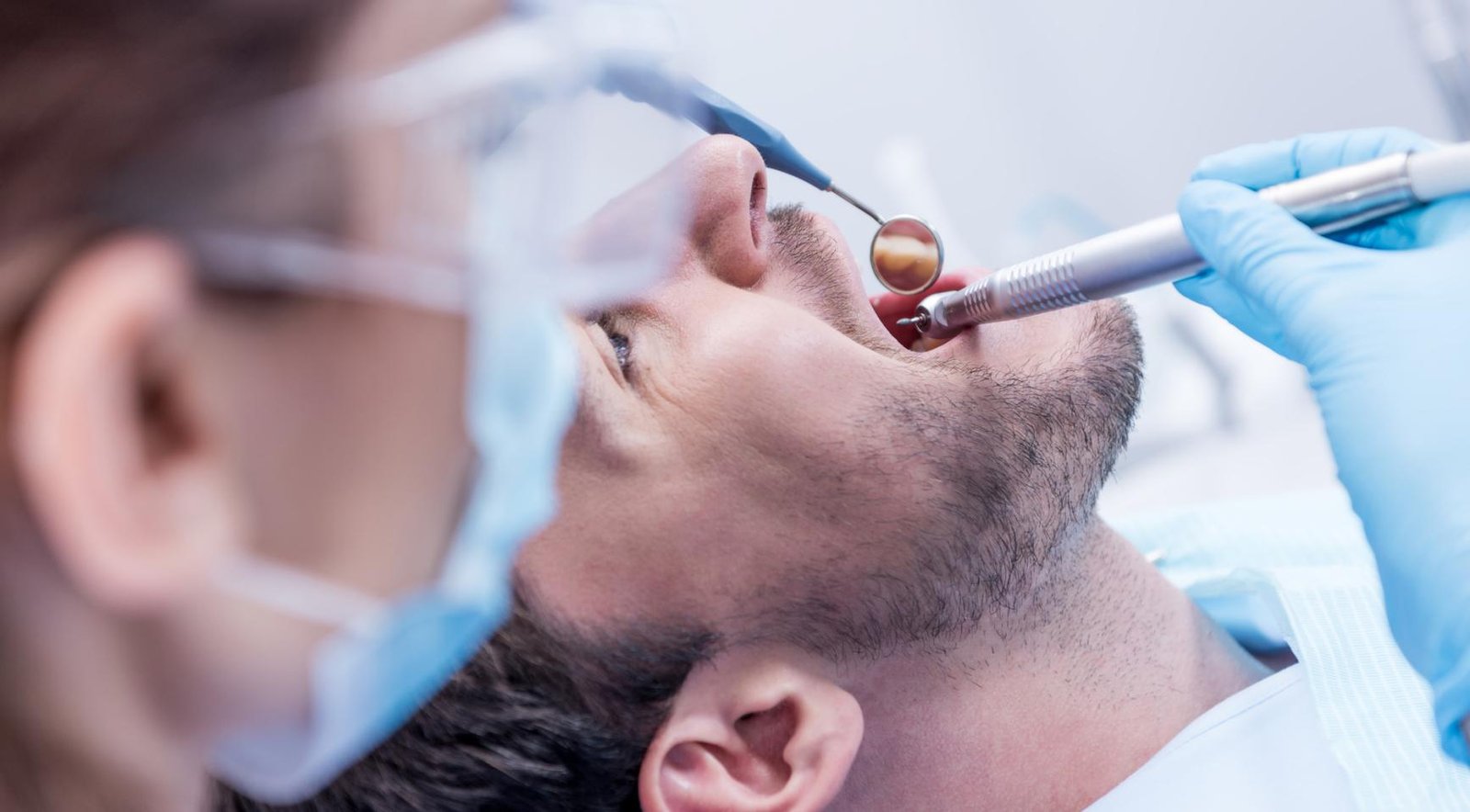
About a quarter of the dentists practicing in the Netherlands came from abroad. The number of dentists from outside the European Union more than doubled in the past five years, Nieuwsuur reported, based on figures from the Academic Center for Dentistry Amsterdam (ACTA), the institution that oversees the admission process for dentists from outside the EU, and the Royal Dutch Society for the Promotion of Dentistry (KNMT).
In total, there are currently 2,287 dentists with a foreign diploma working in the Netherlands. On average, 150 to 200 dentists are added to that number annually. To practice as a dentist in the Netherlands, you need to be on the BIG register for medical practitioners. For a foreign dentist to get such a registration, they must have their professional competence assessed and learn the Dutch language. Dentists with a European diploma only need ot learn the Dutch language.
The fact that so many dentists are coming to the Netherlands from abroad is due to too few dentists being trained in the Netherlands for years, KNMT chairman Hans de Vries told Nieuwsuur. These gaps are now being filled by dentists from countries like Syria, South Africa, Turkey, Brazil, and Iraq.
The lagging training is not due to a lack of interest, but a lack of funding, Etienne Verheijck of ACTA told the program. ACTA is one of three dental training programs in the Netherlands. The Amsterdam center received applications from over 2,000 students who want to become dentists this year. But nationwide, there are fewer than 300 training spots available each year. “That is a policy choice made by the Ministry of Education, Culture and Science,” Verheijck said.
The Health and Youth Care Inspectorate receives “regular” reports about dentists from outside the EU practicing without a BIG registration. De Vries of the KNMT told Nieuwsuur that dentists are allowed to work without a BIG registration under certain conditions, but only under the supervision of a registered dentist. “It is possible to work with them on the way to BIG registration, but there must be actual supervision.” Without that supervision, it would be “inappropriate” and maybe even illegal, he said.
According to De Vries, it is possible that the dentist shortage leads to practices being less strict about these rules. “In times of necessity, the law breaks; I can imagine that happening. But we do not want that.”
The dentist shortage is expected to increase further in the coming years. The Capacity Authority, an independent advisory body for the government on dentistry, has been advising since 2009 to increase the number of training places. The authority recommends 386 training places per year. Currently, there are 270. The government is considering the advice.