










Dutch social housing mold complaints surge as renters win more cases
Thousands of social housing units across the Netherlands are plagued by serious maintenance problems, including dampness, drafts, mold and structural cracks, and tenants are increasingly winning disputes against landlords, according to an investigation by RTL Nieuws.
In 2025, the Huurcommissie, an independent government body that resolves disputes between tenants and landlords, ruled in favor of 1,326 tenants who filed complaints over maintenance defects—nearly double the number in 2022. The increase comes despite housing corporations investing billions of euros in maintenance and improvements in recent years. Complaints have not declined, and the share of tenants who say their homes are poorly maintained has remained unchanged.
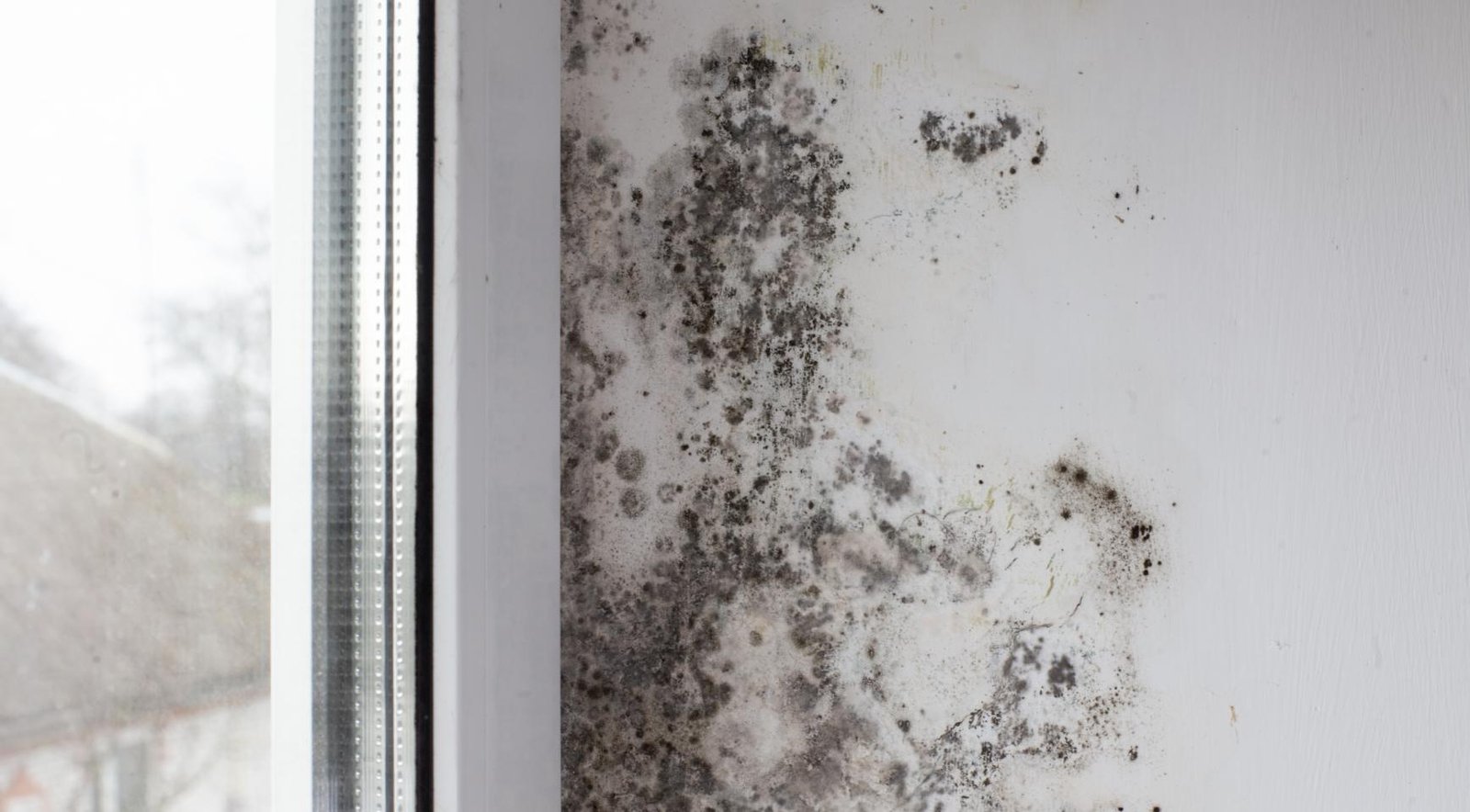
Seda’s family has lived for 14 years with persistent defects in their Amsterdam social housing apartment. “It was really pitch black. Terrible,” she told RTL, describing the mold that once covered the walls. She spoke on condition of anonymity, citing shame over the condition of the home.
“It smells very musty in our home. We hardly get any visitors.” She said the family fears illness from mold growth. She and her younger brother, a keen soccer player, are now living temporarily with their grandmother because of the conditions.
An RTL Nieuws investigation found that Seda’s case is far from unique. Thousands of social housing units suffer from severe defects, and many tenants regularly turn to the Huurcommissie after failing to resolve problems directly with landlords. Even so, the number of rulings reportedly likely reflects only a fraction of the problem, as tenants can only approach the Huurcommissie after talks with landlords break down, and many never file a complaint.
A survey by the RTL Nieuwspanel found that housing problems have a significant impact on daily life. Fifteen percent of social housing tenants with maintenance issues said they feel ashamed of their homes, and several said they no longer dare to receive visitors. Tenants also reported concerns about their health, including physical or medical complaints linked to housing conditions, with parents fearing their children could become ill.
Disappointment is widespread. One in three tenants surveyed said housing corporations handle maintenance poorly, leaving many feeling powerless.
Bastiaan van Perlo from the Woonbond called the situation “a bad state of affairs.” “We know housing corporations are working hard on this,” he said. “Yet we don’t see the problems getting smaller.”
Industry group Aedes acknowledged that, despite substantial maintenance investments, a large group of tenants continues to experience problems. The association urged tenants to report defects. “Corporations are very aware that moisture and mold problems must be addressed permanently,” Aedes told RTL. “Corporations feel responsible for a safe and healthy home.”
Aedes also said housing corporations are running into financial limits. Maintenance has become their single largest expense for the first time. Both Aedes and the Woonbond have called on the government to abolish profit taxes on housing corporations so more money can be directed to upkeep.
Housing Minister Elanor Boekholt-O’Sullivan of Volkshuisvesting en Ruimtelijke Ordening called it “unacceptable” that tenants live in poor conditions and feel ashamed. “That shame does not belong to the residents,” she said. “That shame belongs elsewhere—at the corporations, at the state, with all of us. Except the residents.”
The D66 minister said she wants to meet with Aedes to see what can be improved and is examining tax options. “We will look at what is needed to do this together, so that people who depend on social housing can live in a home of normal quality,” she said.