










Suffering witnessed by young cops quickly turn them harsher, right-wing: study
Those in the Netherlands in life threatening danger should immediately dial 112 for emergencies, and anyone suffering from depression or contemplating suicide can call 113 Zelfmoordpreventie at any time by dialing either 113 or 0800-0113, or by visiting 113.nl.
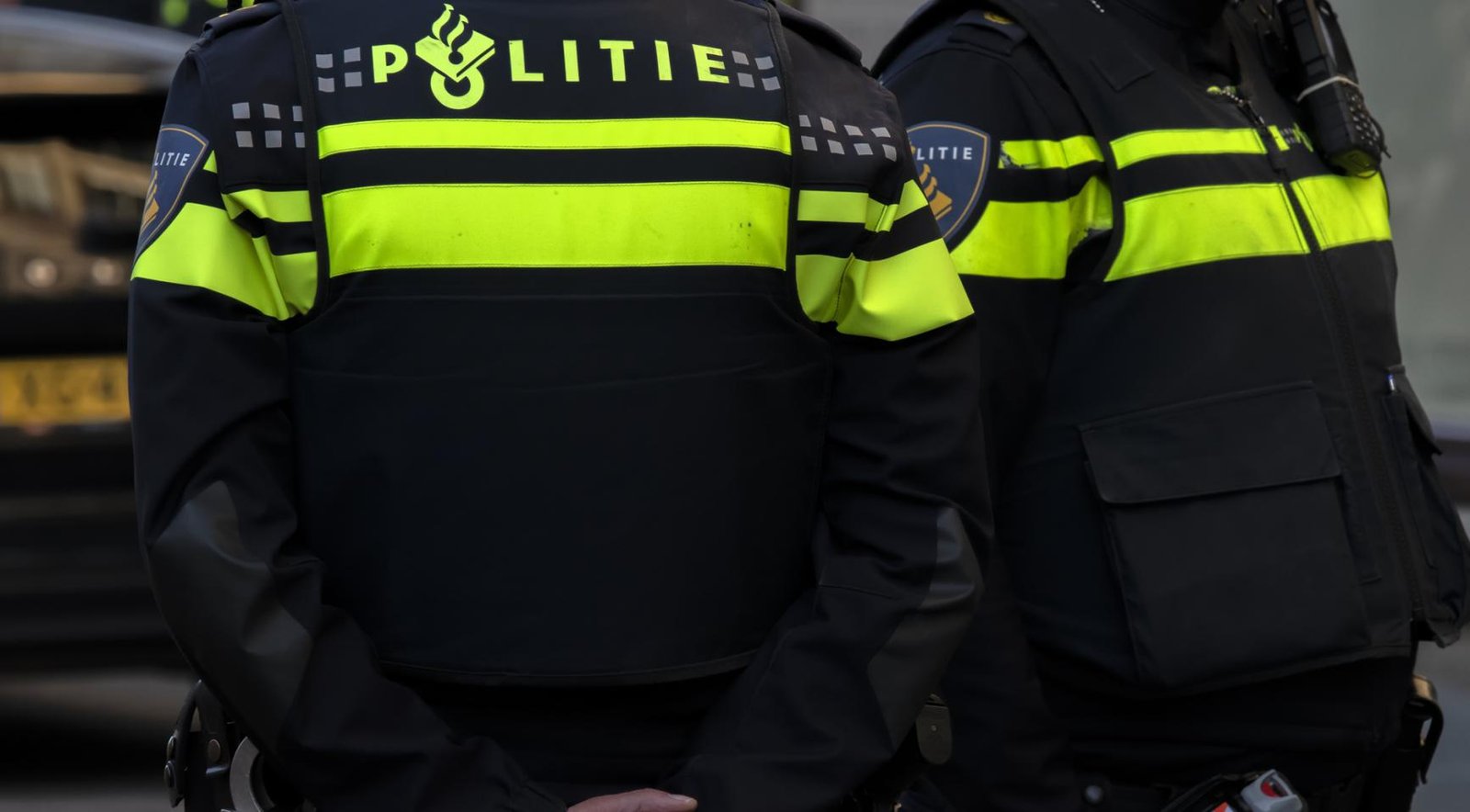
Police work and all the suffering it entails quickly turn young cops harsher, researcher Wouter Landman discovered in a study into how being a police officer changes the young people who opt for the job. It also shifts their political preferences to the right. The changes are quicker among young officers who work in the cities, AD reports.
Landman and fellow researchers Hendrik Sollie and Vere König followed 46 police officers from the Oost Nederland, Midden Nederland, Zeeland-West Brabant, Oost Brabant, and Den Haag police units for five years. They followed the cops from the start of their training through their first years on the street.
According to the researchers, new cops quickly discover that working on the street is no action movie. They mostly see a great deal of grief, suffering, and misery. Young cops in their twenties have to tell parents that their child died in an accident, witness resuscitations, and are first at the scene of suicides. “At a young age, they simply see a lot of suffering.” Police officers have coined a term for this: retinal pollution.
Many of the police officers in the study reported that they became emotionally harsher or even numb. They start looking at the world differently and have an increasingly hard time sympathizing with friends and loved ones’ “everyday” problems. Loved ones also often tell the young cops that they are changing, while they usually don’t notice it themselves.
Cops’ image of other people also changes. The police often see the dark side of society. They lose their trust in people, and that doesn’t stay at the police station. Some start forming prejudices, which have an influence on their political preferences. They move more and more to the right. The researchers spoke to an officer who wanted to join the left-wing party SP. But because of her work, she now finds that party “too soft.”
The researchers also noticed that where you are a cop determines how quickly the job changes you. In villages and towns, officers are often in a friendly and calm environment. But in large cities or disadvantaged neighborhoods, cops more frequently face aggression from citizens, causing the officers to become harsher more quickly.
Landman therefore suggests that officers switch workplaces occasionally. “If you work in the center of Rotterdam or in the Schilderswijk for a long time, you become tougher. You get a distorted view of people,” he told the newspaper. Moving to a different neighborhood from time to time can prevent cops from believing that all citizens are bad guys.
According to Landman, it is important to know how the work changes police officers. “This entire process has a major impact on how officers interact with people on the street. It influences the kind of police force we have in the Netherlands,” he explained. “Because of this hardening, officers are quick to perceive someone else as rude. They then start acting too strictly. That can actually be like adding fuel to the fire. You see this less often with female officers, by the way.”
The researchers stressed that mentors – the officer who guides the young cops in practice – play a significant role in how young officers develop. Young officers typically adopt their mentor’s behavior. Without mentors properly equipped to guide young cops through the horrors they face, the young officers can be overwhelmed by the police work. And that is ultimately dangerous for the Netherlands’ rule of law.
Landman and his colleagues are now visiting police academies with their research. “Above all, we hope that the police will use this research to improve the guidance,” Landman said.