









The Netherlands is prepared to contribute militarily to reopening the Strait of Hormuz, but only within clear boundaries, foreign affairs minister Tom Berendsen said on Thursday.
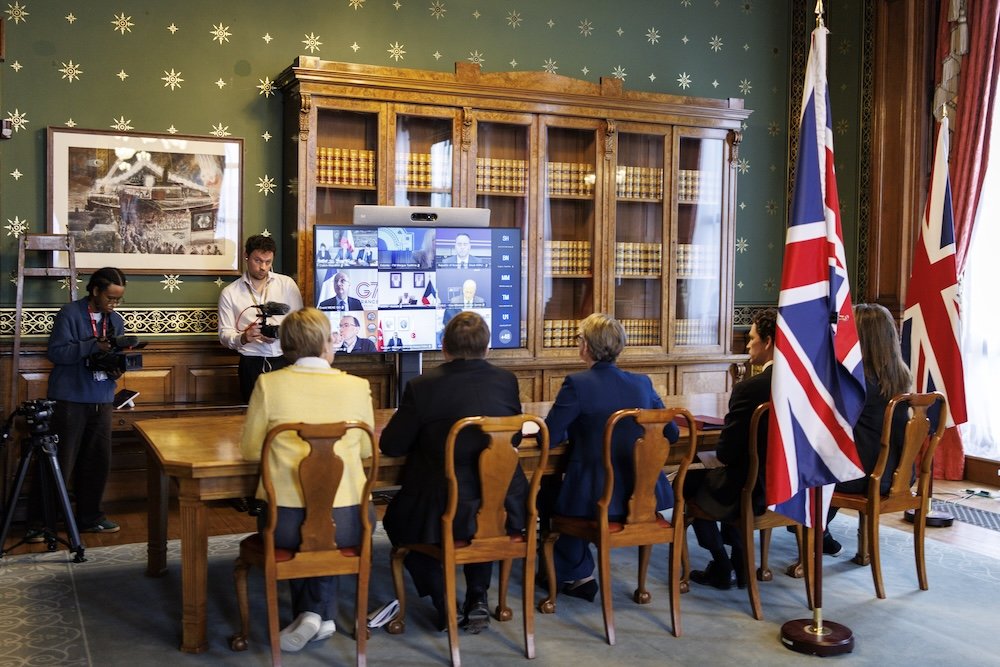
Berendsen took part in an online meeting with representatives from 40 countries about the Strait, which has been closed off by the Iranian government since the US and Israel launched their attacks on Iran.
Thank you, UK Foreign Secretary @YvetteCooperMP, for convening this timely meeting with global partners on the Strait of Hormuz.
Iran’s indiscriminate attacks across the region are unacceptable. Its closure of the Strait of Hormuz has far-reaching consequences. 1/2 pic.twitter.com/4cY4wrVdhf
— Tom Berendsen (@ministerBZ) April 2, 2026
“Being able to sail safely through the Strait of Hormuz is of such great importance that the Netherlands cannot stand by while others solve it,” Berendsen told reporters after the 90-minute meeting. “We are prepared to play a role, albeit within clear boundaries.”
Prime minister Rob Jetten later reiterated this position to broadcaster NOS, saying there was only a role for the Netherlands if the war was over.
Dutch marines, he suggested, could then help clear mines from the waterway, but only under the strict condition that fighting between Iran, the US, Israel and the Gulf states had stopped.
Berendsen said that ministers had also spoken about increasing pressure on Iran using economic and diplomatic channels and that he expected the meeting, under the leadership of Britain, would lead to results.
The Gulf states, Canada, India and Australia also took part in the gathering.
“This is a signal to Iran to stop the escalation… and stop the blockade of the Strait of Hormuz,” Berendsen said. But it is also a signal to the US that a large number of countries are concerned about what is happening in the region and want to take “responsibility,” he said.
US president Donald Trump has accused other countries of failing to help the American war effort and reopen the waterway.
Only a small share of the oil and gas used in the Netherlands passes through the Strait of Hormuz, but the blockade is causing energy prices to shoot up on the global markets, leading to far higher domestic fuel prices.
Meanwhile, the Netherlands has also agreed to extend the stay of a navy frigate in the eastern Mediterranean for a further month.