










Heading in football linked to temporary brain injury markers, Amsterdam UMC study finds
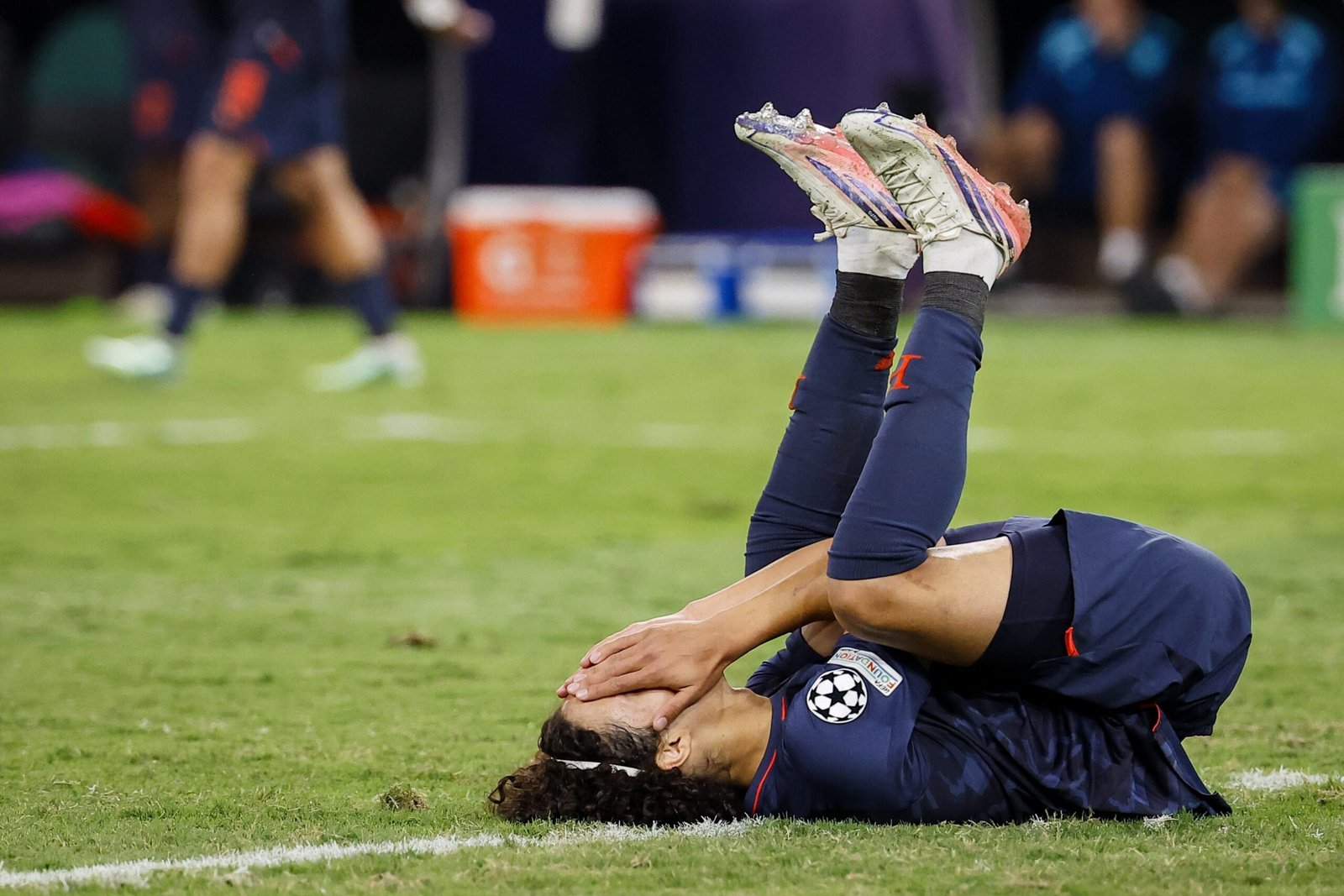
Research by Amsterdam UMC in cooperation with the Royal Dutch Football Association (KNVB) shows that heading the ball in amateur football can temporarily raise blood markers associated with possible acute brain injury. The study also found a clear link: the more frequent and forceful the headers, the stronger the measured effect.
Researchers at Amsterdam UMC examined over 300 male amateur football players during competitive matches. Blood samples were collected both before and after play to measure specific biomarkers linked to potential brain damage. These are the same biological indicators that clinicians use when assessing brain injury and dementia.
Last year, the Health Council already reported that professional footballers have a higher risk of dementia than the average person, and that repeated blows or impacts to the head increase the risk of chronic brain damage. “But the direct link between heading the ball and brain damage had not yet been established, and we also knew little about amateur footballers,” says neuroscientist Marsh Königs.
Blood markers in amateur players returned to baseline within 24 to 48 hours after heading during a match. Lead researcher Jort Vijverberg said this makes it unclear what the findings reveal about any long-term brain effects. He added that falling biomarker levels do not necessarily indicate that any potential damage has fully resolved.
“Repeated exposure to these acute effects could potentially lead to long-term damage over time. It is not yet clear whether this plays a role in dementia, but the results are relevant for future policy on heading in football,” Vijverberg said.
The KNVB described the findings as “valuable scientific insights” that highlight the need to reduce heading load. The federation also stressed that sufficient rest and recovery play an important role.
The football association has previously announced measures regarding heading the ball. However, it does not want to introduce a heading ban for children under 12, as recommended earlier by the Dutch Sports Council. At that age, heading is done very little, and according to the KNVB, young players should be taught how to head the ball in a responsible way.
The KNVB and Amsterdam UMC are planning additional research, with a particular focus on heading in women’s football.
Reporting by ANP