











Survey finds 37% of Dutch residents feel unsafe; women 15+ most affected
In 2025, 37 percent of Dutch residents said they felt unsafe at least occasionally, up from 33 percent in 2019, according to the latest Veiligheidsmonitor, a biennial survey by the CBS. The rise reverses a long-term decline in feelings of insecurity over the past 20 years.
The survey, which collected responses from 200,000 people aged 15 and older, found that young women are the most affected. Six out of ten women aged 15 to 25 said they sometimes feel unsafe, more than double the 27 percent of men in the same age group. Since 2021, feelings of insecurity have also risen among women over 25 and men between 25 and 65.
Despite these rising fears, actual victimization from traditional crimes—burglary, theft, assault, and vandalism—remained steady at 20 percent in 2025, affecting roughly 3 million people. Theft, embezzlement, and burglaries declined by 3 percent, while vandalism rose by 2 percent, and violent or sexual crimes increased by 9 percent.
Residents in cities reported the highest levels of perceived insecurity. Forty-three percent of urban dwellers said they feel unsafe, compared with 29 percent of people living outside cities. The survey identified several urban hotspots: Amsterdam’s Basisteam Centrum-Burgwallen at 59 percent, Rotterdam Centrum at 57 percent, and Utrecht-Centrum at 54 percent. By contrast, Twente-West and Noordoost-Twente reported the lowest rates, at 21 and 20 percent, respectively.
Eighteen percent of respondents reported experiencing disrespectful treatment from strangers, 10 percent from public transport, and a similar percentage from retail or business staff. Twelve percent reported experiencing discrimination, slightly higher than in 2023. Among these, 41 percent cited race or skin color, 34 percent nationality, 29 percent gender, 17 percent age, and 19 percent religion or belief.
Online crime also remained a concern. Seventeen percent of adults said they were victims of online offenses in the past year, slightly higher than in 2023 but comparable to 2021. Purchase scams and other online fraud increased, while hacking incidents decreased. The most likely victims of online threats or harassment were adults aged 15 to 25, while those over 65 experienced the least. Seventeen percent of victims reported emotional or psychological effects, and 8 percent experienced financial losses. Only 15 percent filed a police report.
The CBS noted, “Of people with experiences of discrimination, 39 percent say it occurred through institutions or professionals, for example, the national government, a politician, the municipality, or the police. Just over half (53 percent) indicate this led to less trust in people, and more than a quarter (26 percent) felt less safe because of it. Fourteen percent experienced depressive symptoms, and 11 percent reported sleep problems.”
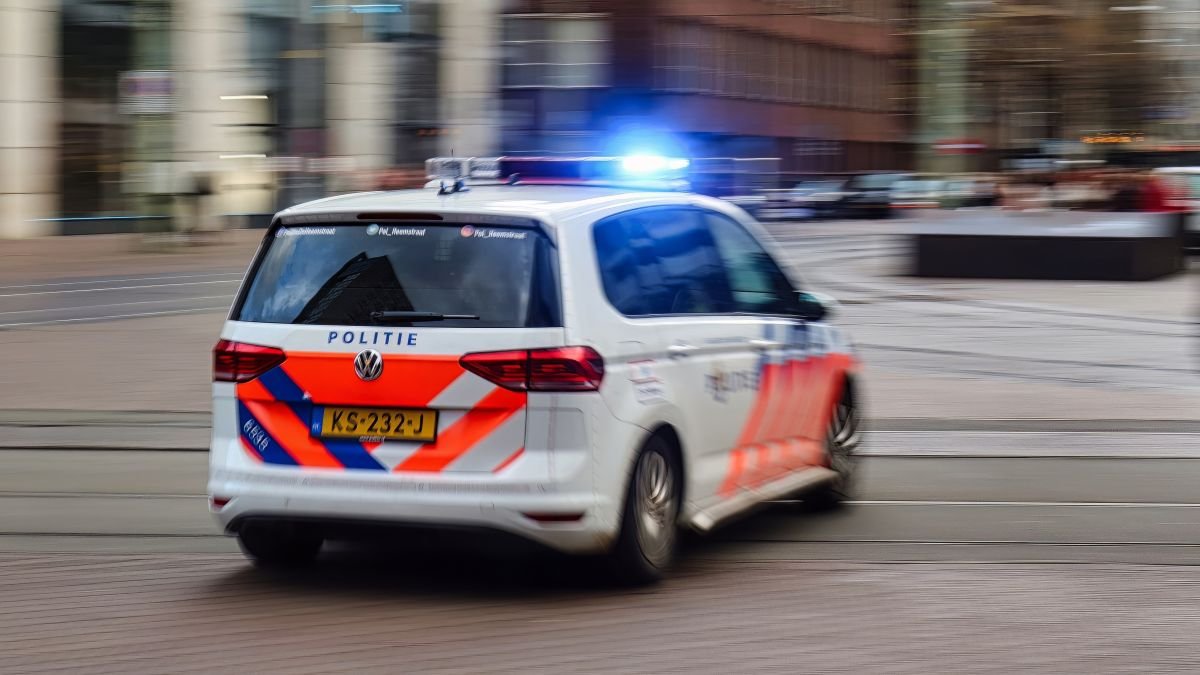
Interactions with police remain largely positive. More than a quarter of residents had contact with officers in 2025, similar to previous years. About two-thirds were satisfied or very satisfied with these encounters. Eight percent said they were stopped or checked by police, with 81 percent reporting that officers acted calmly, respectfully, and correctly, though one in ten believed their appearance, skin color, or background influenced the stop.
Overall, 35 percent were satisfied with police performance in their neighborhoods, and 48 percent were satisfied nationwide. Police visibility remains limited, with 56 percent saying they rarely or never see officers in their area.