










Mark Rutte, ministers & virologists to testify in Dutch Covid-19 parliamentary inquiry
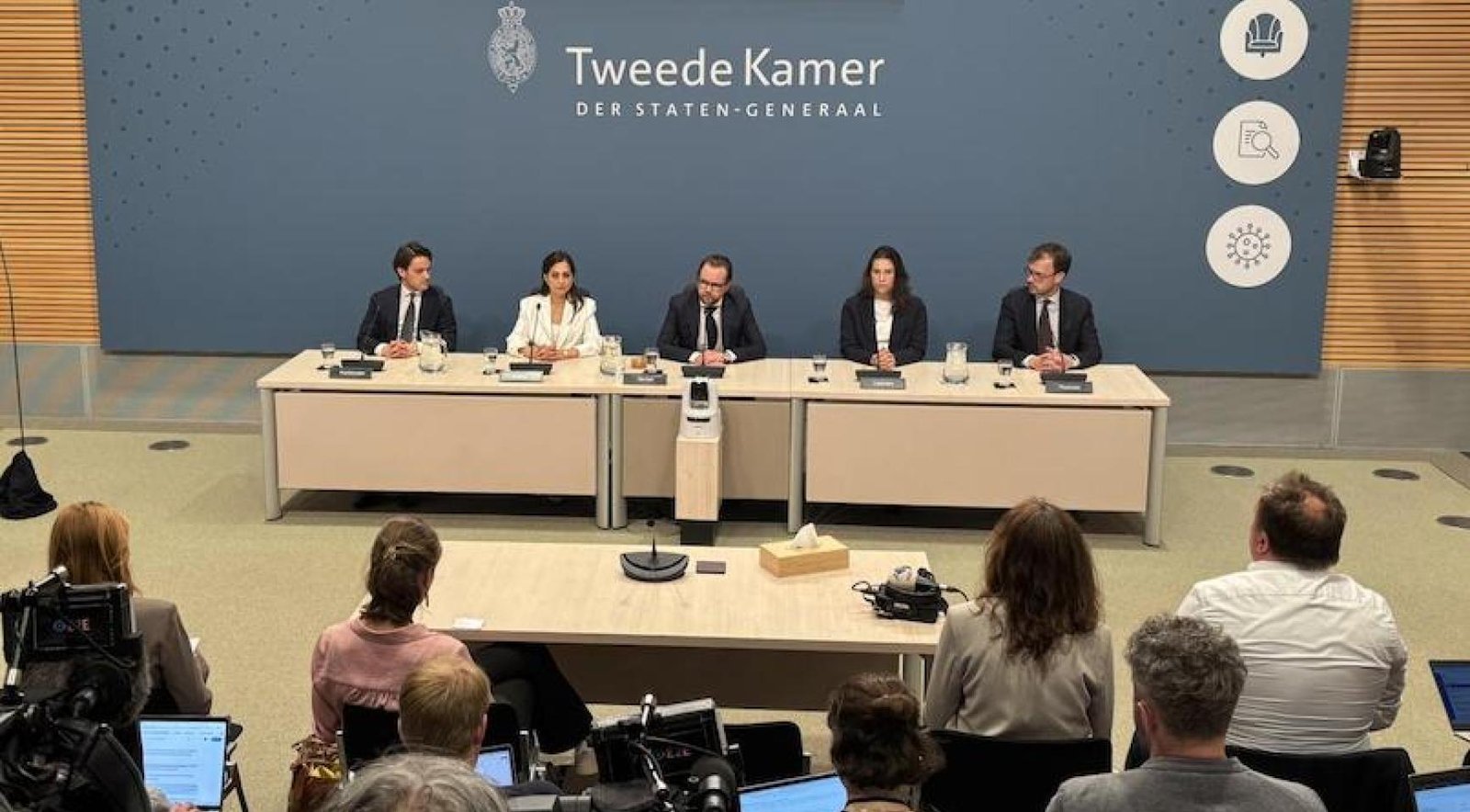
A Dutch parliamentary COVID-19 inquiry committee will begin public hearings May 29 and has named former Prime Minister Mark Rutte and former Health Minister Hugo de Jonge among witnesses set to testify.
The parliamentary inquiry committee on COVID-19 of the Dutch parliament, formally the “parlementaire enquêtecommissie Corona,” said the hearings will examine how the government organized its pandemic response, how key policy decisions were made, and how the crisis affected sectors including health care, education, and public order.
The first witness scheduled to appear is Marion Koopmans, a prominent virologist who played a visible advisory role during the pandemic and contributed to international outbreak investigations and scientific assessments of the virus. She consistently questioned aspects of the pandemic response and was part of a WHO-led international mission that traveled to China in early 2021 to investigate the origins of COVID-19.
She is set to testify on May 29 at 10 a.m., followed later that day by Bruno Bruins. Bruins, who served as Minister for Medical Care and Sport during the early phase of the pandemic and represented the VVD, resigned in 2020 after collapsing during a parliamentary session amid intense pressure over the government’s crisis response.
Among the key political figures expected to testify is former Prime Minister Mark Rutte, who is now Secretary General of NATO. Rutte, also a former VVD party leader, headed the Dutch government through most of the pandemic period.
Former Health Minister Hugo de Jonge, of the CDA, is also scheduled to appear. De Jonge was the government’s primary public face on pandemic policy during its most restrictive phases and frequently appeared at national press conferences alongside Rutte and senior health officials. He now serves as King’s Commissioner for the province of Zeeland.
Jaap van Dissel, former director of the National Institute for Public Health and the Environment (RIVM) and chair of the Outbreak Management Team during the early pandemic period, is also on the witness list. Van Dissel was a central scientific adviser to the government and a regular presence in public briefings as policy was developed and updated.
Other expected witnesses include Ernst Kuipers, who led the National Acute Care Network and advised on hospital capacity and emergency care coordination before later becoming health minister in the Rutte IV cabinet, and Diederik Gommers, head of intensive care at Erasmus Medical Center and a leading clinical voice during the crisis through his role in the Dutch Association for Intensive Care and the Outbreak Management Team.
In total, the committee has scheduled 51 hearings involving 47 witnesses, with some individuals expected to appear more than once. The hearings will run over nine weeks and are organized around themes including the initial outbreak response, government coordination, pressure on the health system, school closures, public order measures such as curfews, and vaccination policy including COVID certificates.
Later sessions will address the role of parliament during the crisis and broader questions of governance and preparedness for future emergencies. Public hearings will continue through the summer, pause during the parliamentary recess, and resume in late August. The final session is currently scheduled for Sept. 10, and the committee is expected to present its final report in early 2027.