










Video: Hondius arrives at Tenerife for hantavirus evacuation; 29 to fly to Eindhoven
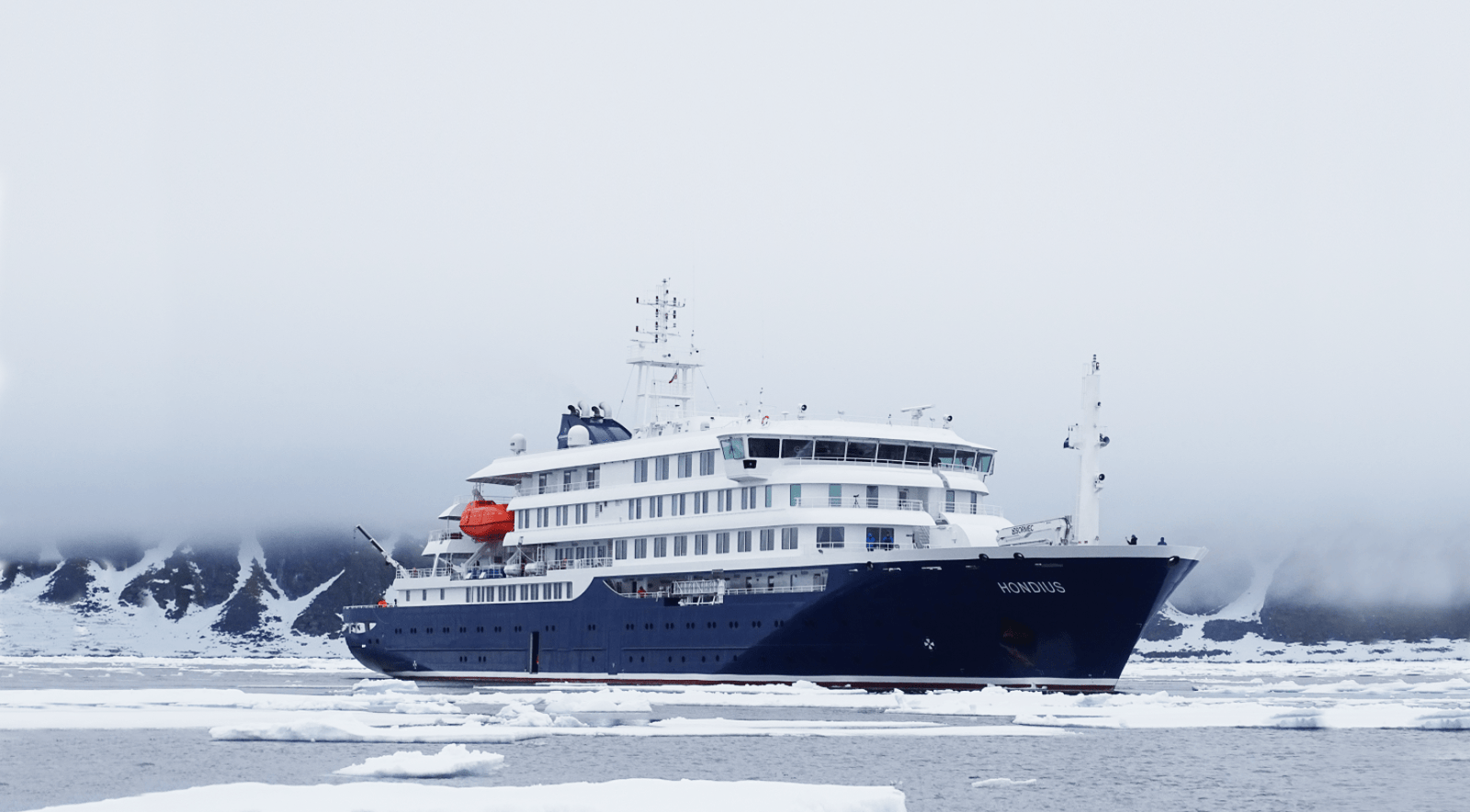
The Dutch-flagged cruise ship MV Hondius arrived early Sunday at anchor in the port of Granadilla de Abona on Tenerife, where Spanish authorities immediately began evacuating about 150 remaining passengers and crew members exposed to the Andes variant of hantavirus, NU.nl reports.
A Dutch-chartered flight will bring approximately 29 people, including Dutch nationals, directly to Eindhoven Airport, while the vessel will later sail onward to Rotterdam for full disinfection. Three people linked to the ship have died from the Andes variant of hantavirus, including a Dutch couple and a 65-year-old German woman.
The Hondius will not dock. Passengers will be transferred by smaller boats to shore, tested, and have their documents checked, then bused to the nearby South Tenerife airport for repatriation flights.
The first buses arrived in the harbor on Sunday morning, and additional personnel in protective clothing were on site to assist. An emergency hospital was set up in the port.
The evacuation, which began around 9 a.m. Dutch Time involves 358 agents from Spain’s Guardia Civil national police force. International news media gathered in large numbers to cover the operation.
Dutch authorities, who have a heightened responsibility because the ship sails under the Dutch flag, have a chartered civilian flight ready at Tenerife to bring approximately 29 people—including Dutch nationals and passengers of other nationalities—directly to Eindhoven Airport.
Upon arrival in the Netherlands, all Dutch passengers and crew will enter six weeks of home quarantine, Health Minister Sophie Hermans said. The measure follows advice from the National Institute for Public Health and the Environment (RIVM), which added the Andes hantavirus variant to the A2 list of notifiable infectious diseases.
Dutch Ambassador Roel Nieuwenkamp and a government team, including embassy and consular staff, are on site to assist. “With sunlight, the operation will begin,” Nieuwenkamp told the ANP news agency. “The passengers will be tested and their documents checked. Then they go by bus to the airport and as quickly as possible back home.”
After the passengers disembark, the ship will take on fresh supplies and fuel. A core team of essential crew members will then sail the Hondius to Rotterdam, a voyage expected to take about five days, for full disinfection, according to the ship’s operator Oceanwide Expeditions and Spanish Interior Minister Fernando Grande-Marlaska. One deceased person will remain aboard and travel with the vessel.
The World Health Organization classifies the remaining passengers as high-risk contacts who must undergo 42 days of active monitoring, WHO epidemiologist Maria Van Kerkhove said.
The virus has an incubation period of up to 40 days, and none of those still aboard currently show symptoms. Dutch returnees will be monitored for six weeks in home quarantine; British passengers and crew—22 in total—will go into hospital quarantine in northwest England instead of the previously announced 45 days of home isolation, and the two Belgian passengers will be taken to University Hospital Antwerp for checks before going home.
WHO Director-General Tedros Adhanom Ghebreyesus addressed Tenerife residents Saturday night to ease concerns. “I want to speak to you directly, not through press releases or technical briefings, but as one human to another, because you deserve that,” he wrote. “I know you are worried. But this is not a new COVID. The current risk to public health from the hantavirus remains low.” He thanked Spanish Prime Minister Pedro Sánchez for allowing the ship to dock, calling it “an act of solidarity and moral duty.”
Tedros, along with Spanish Health Minister Mónica García and Interior Minister Fernando Grande-Marlaska, reviewed the evacuation measures Saturday evening.
The International Hantavirus Society stated that the Andes virus “is transmissible from human to human in the case of specific situations with long and close contact,” but “there are currently no indications that the virus spreads rapidly from human to human on a large scale, like highly contagious respiratory viruses.” It added that current evidence does not point to a new pandemic scenario.